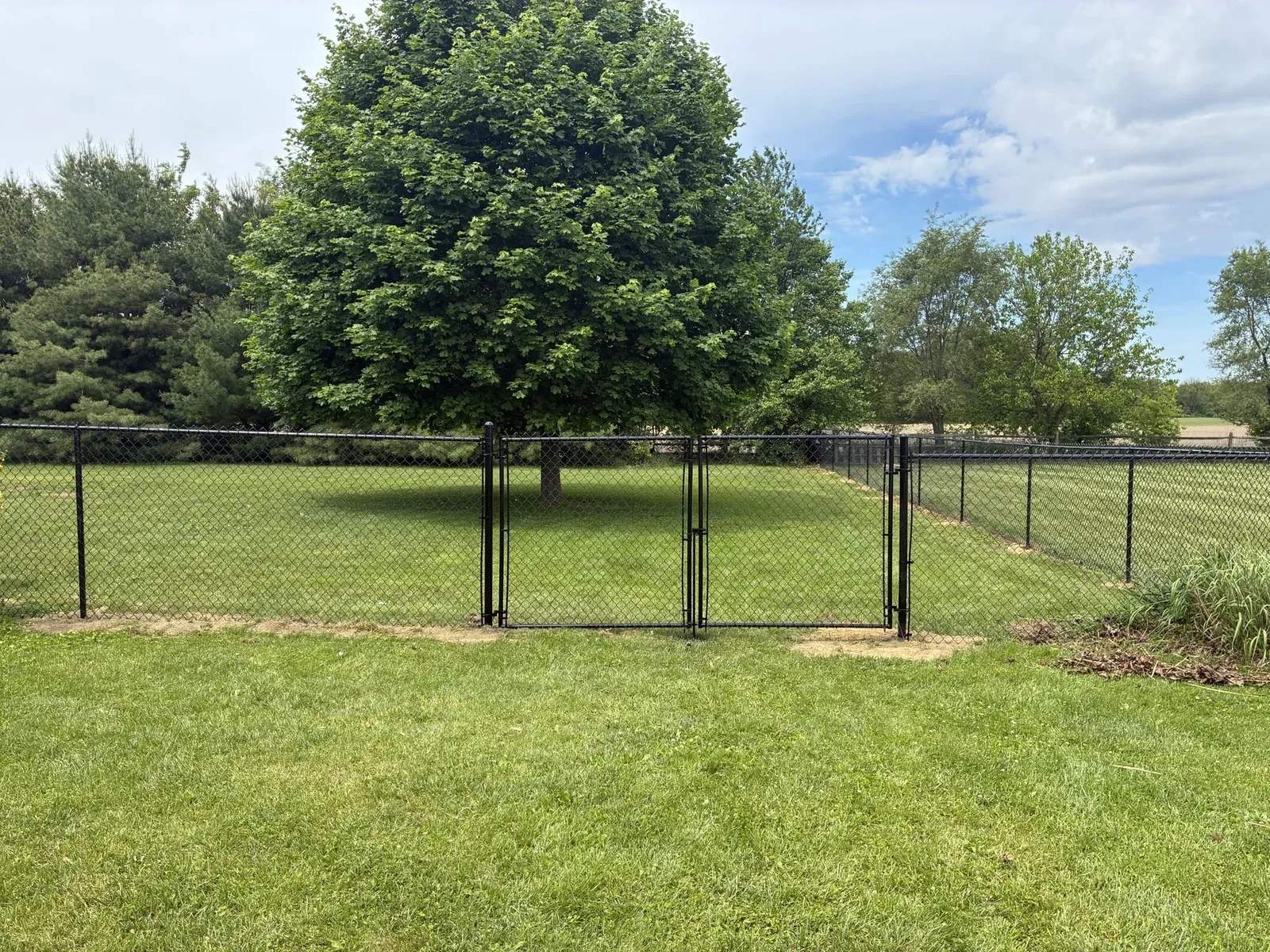
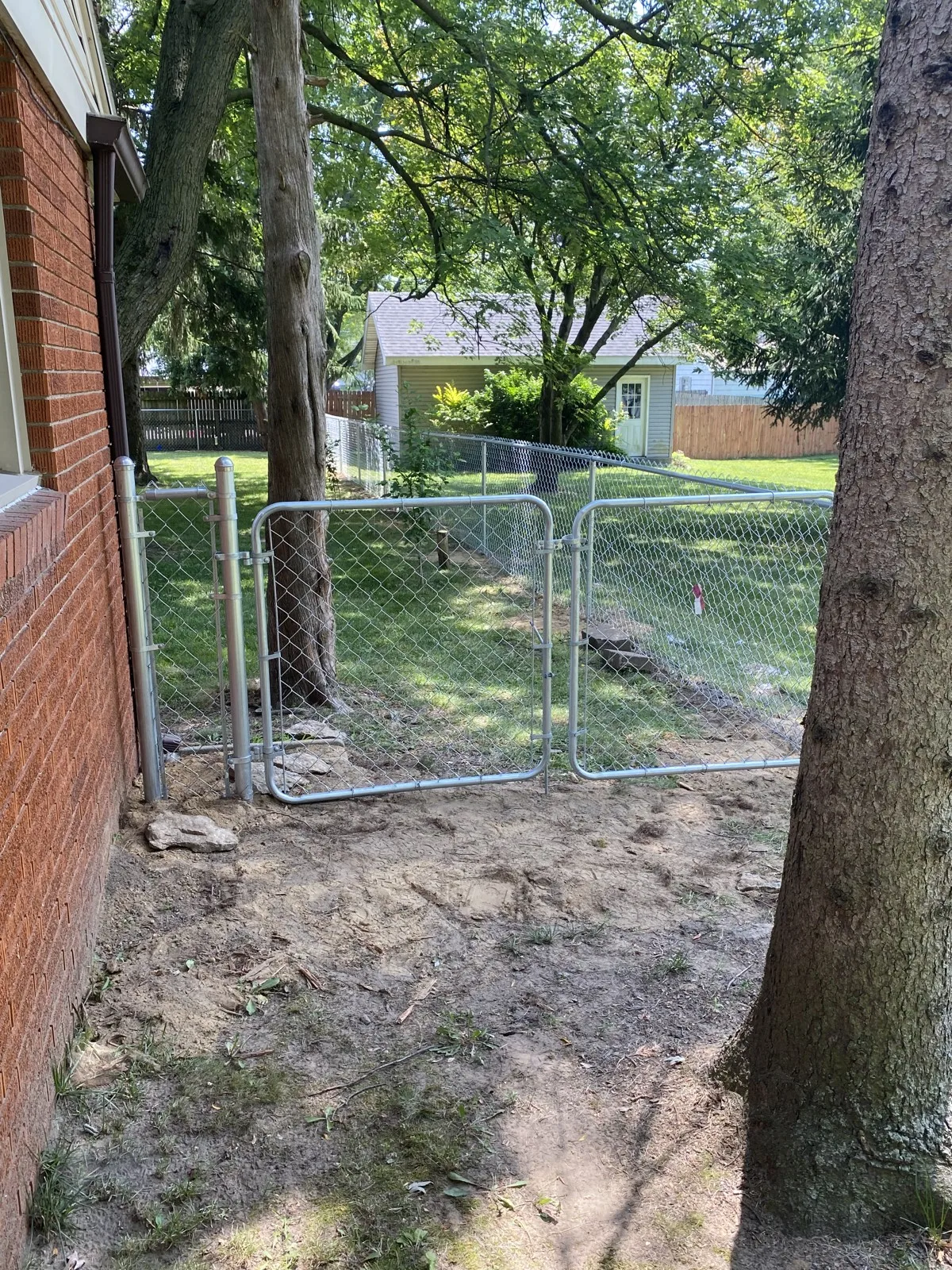
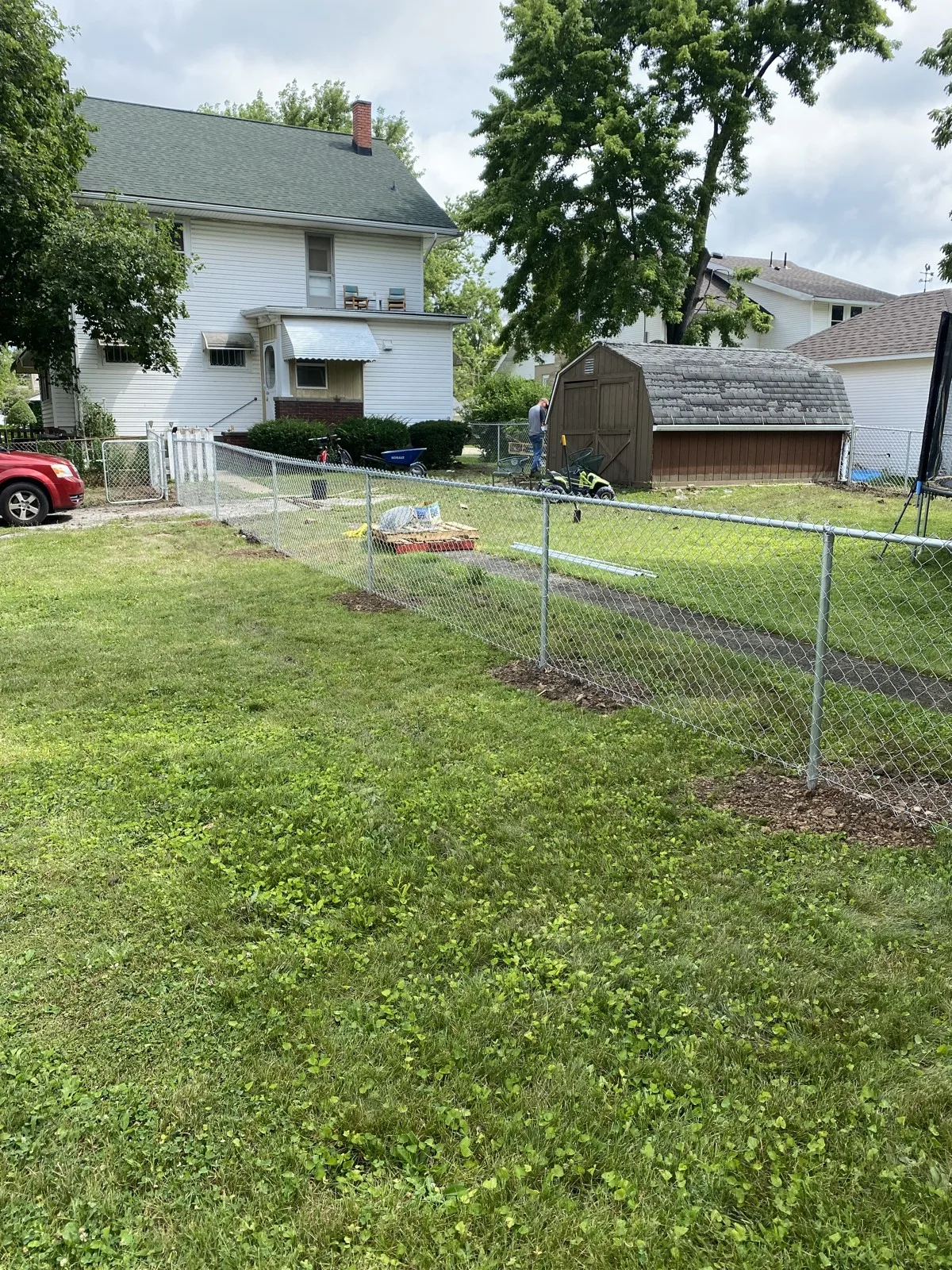
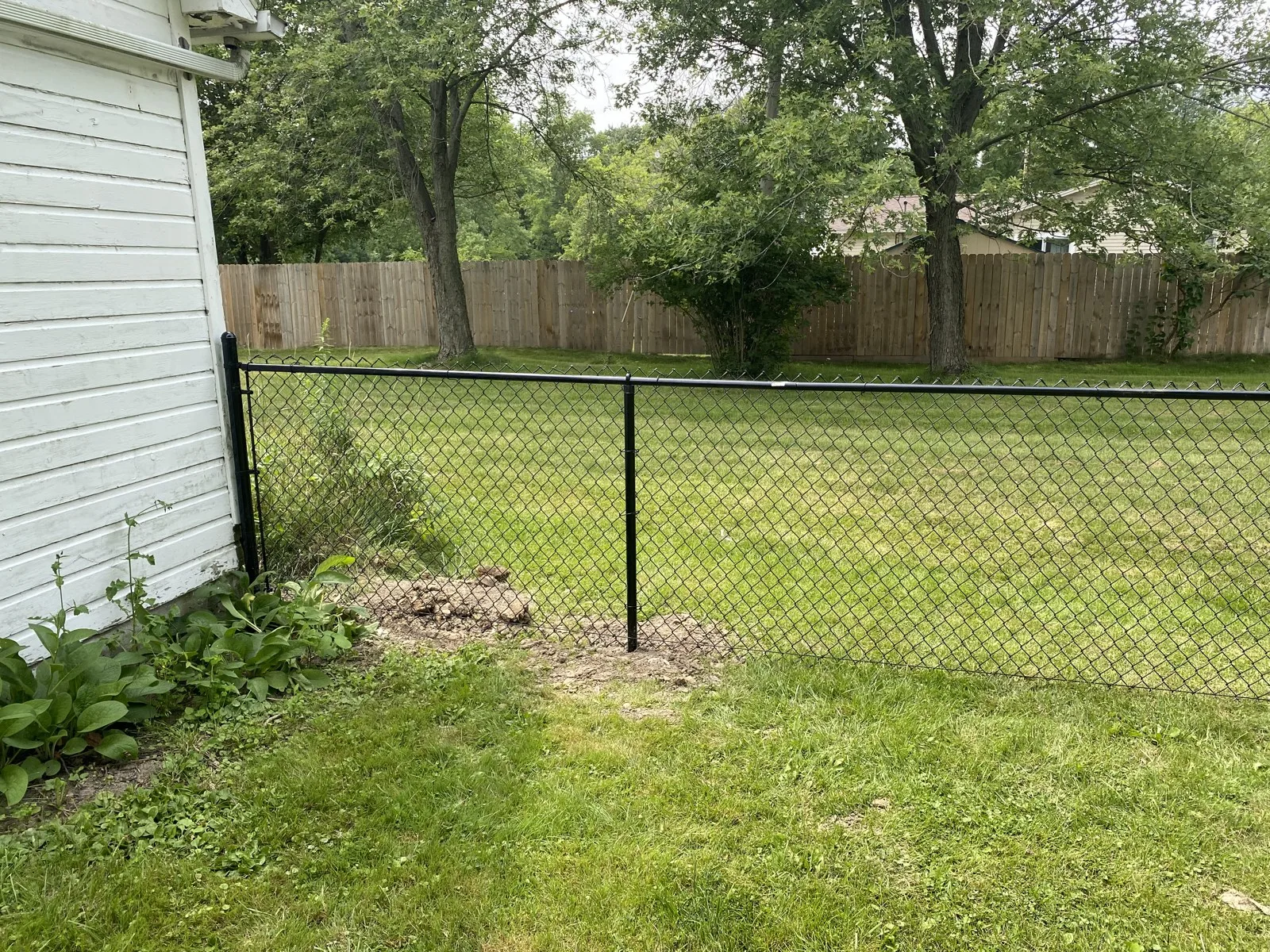
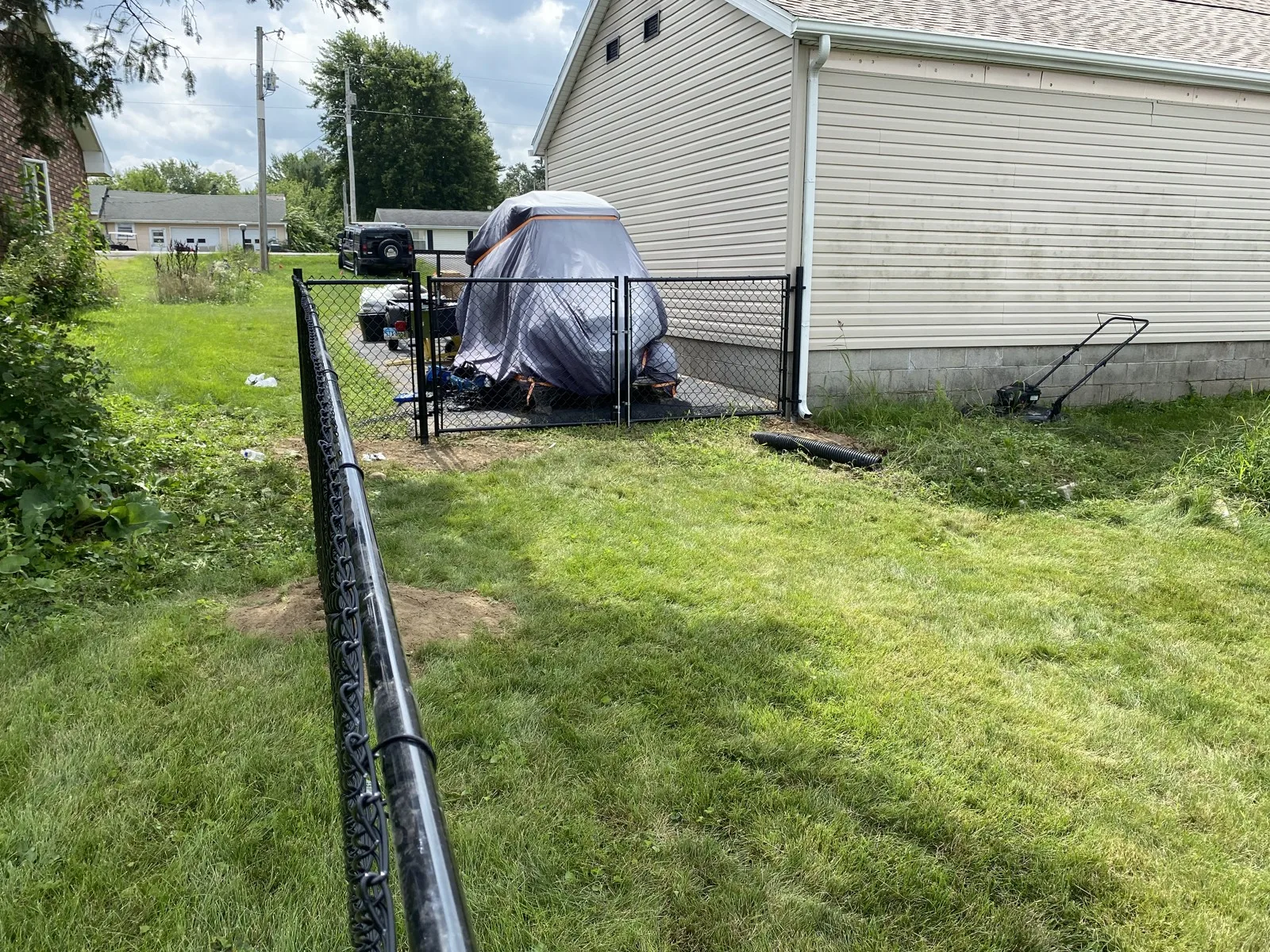
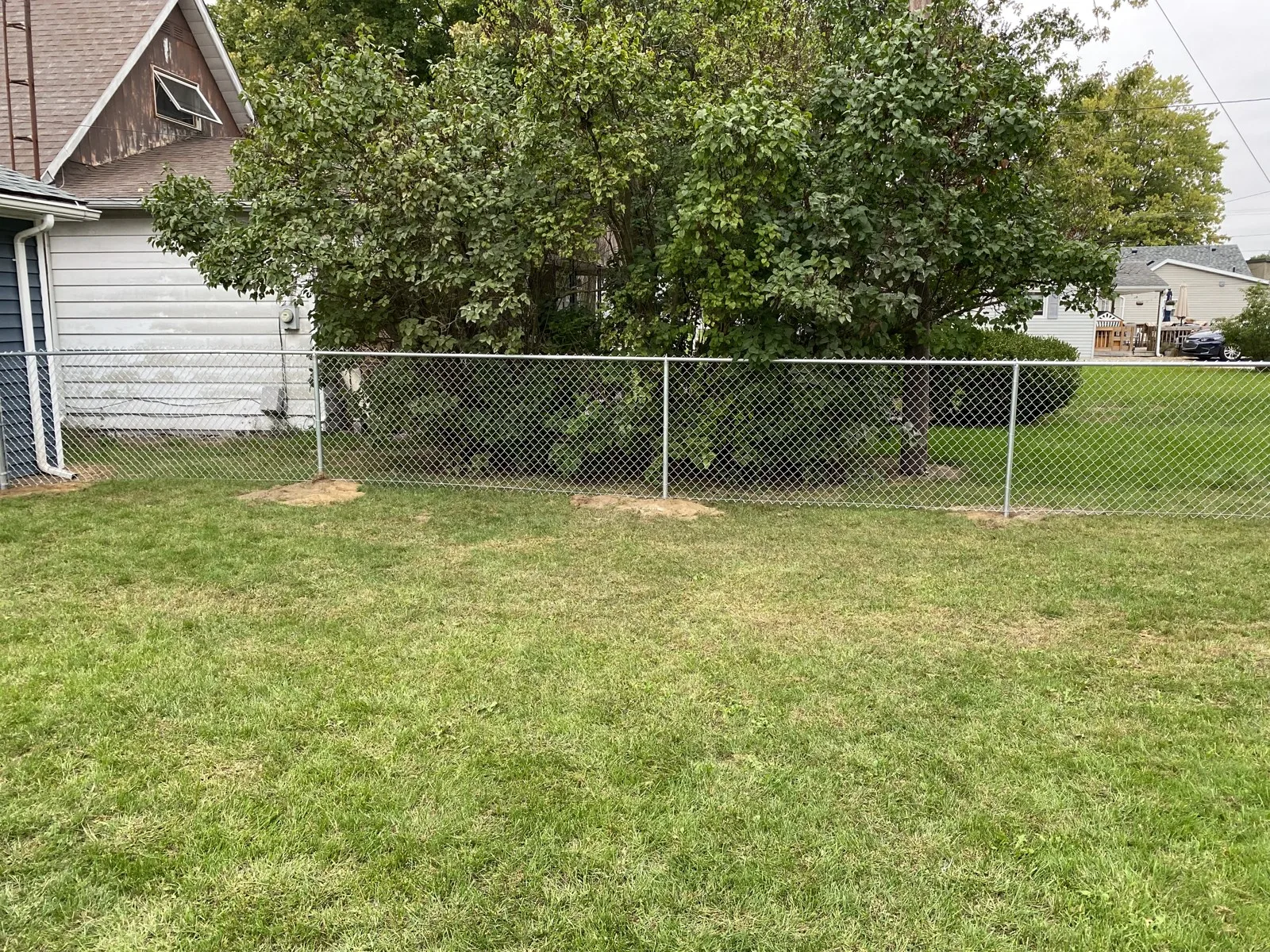
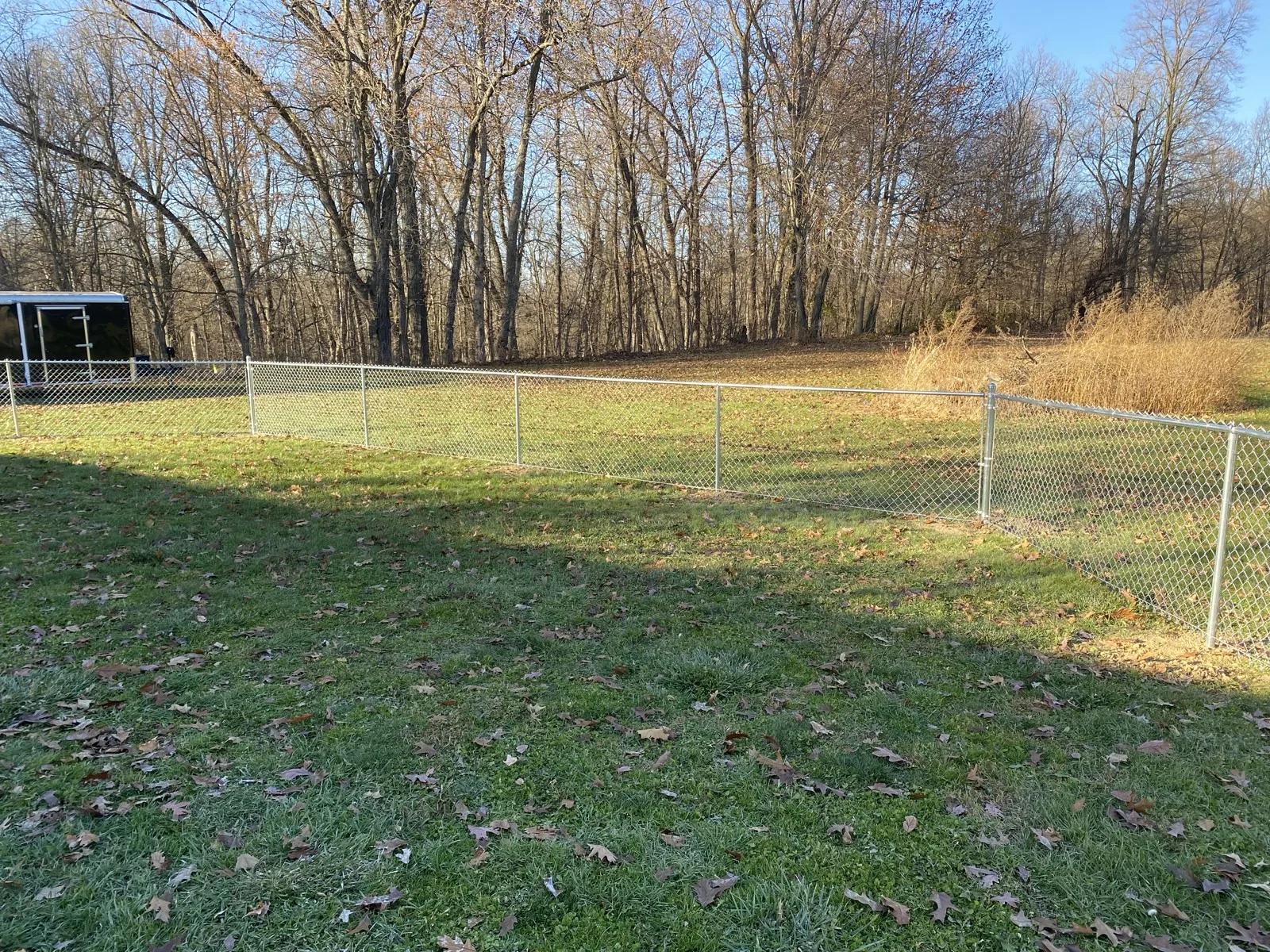
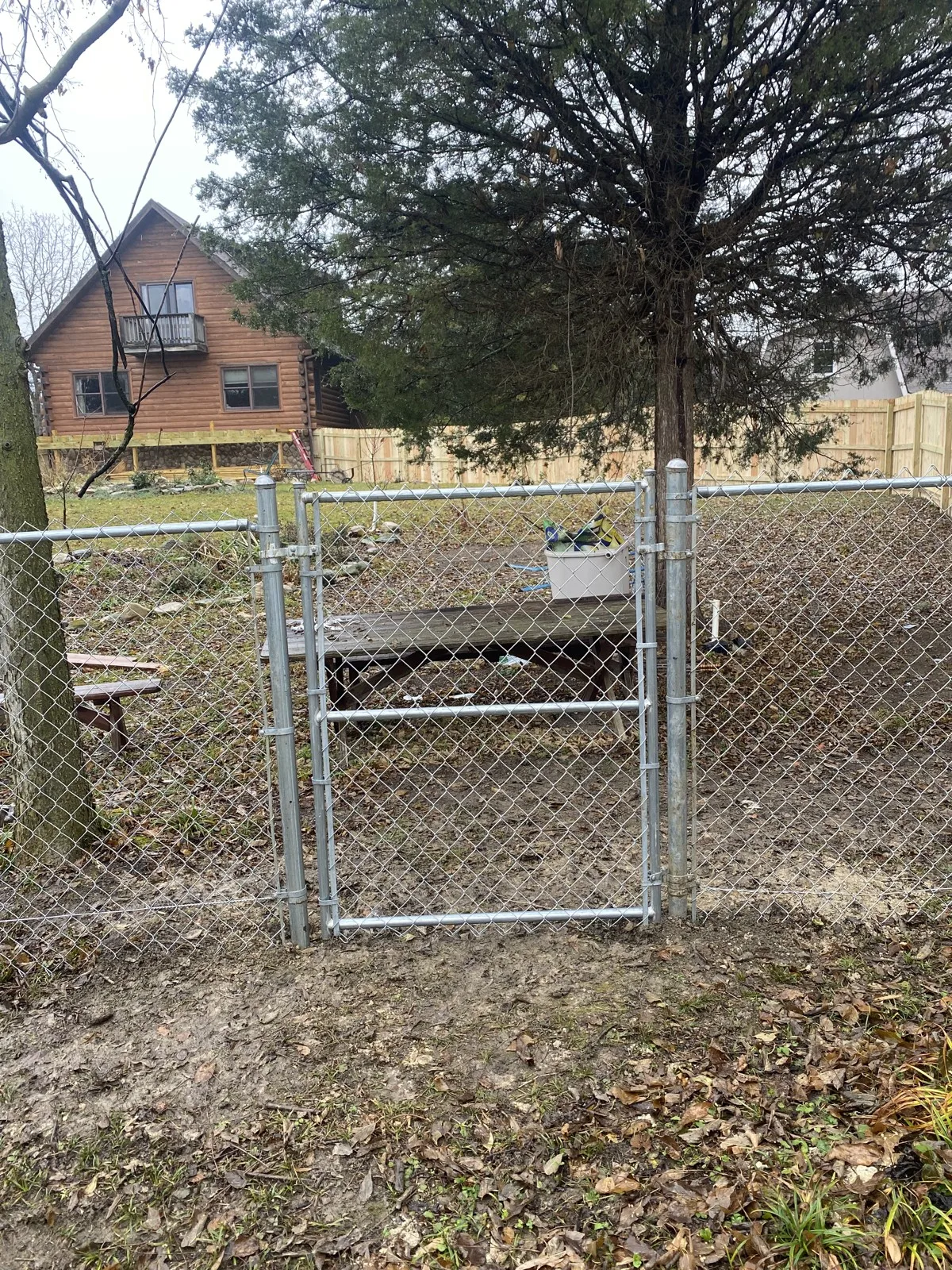
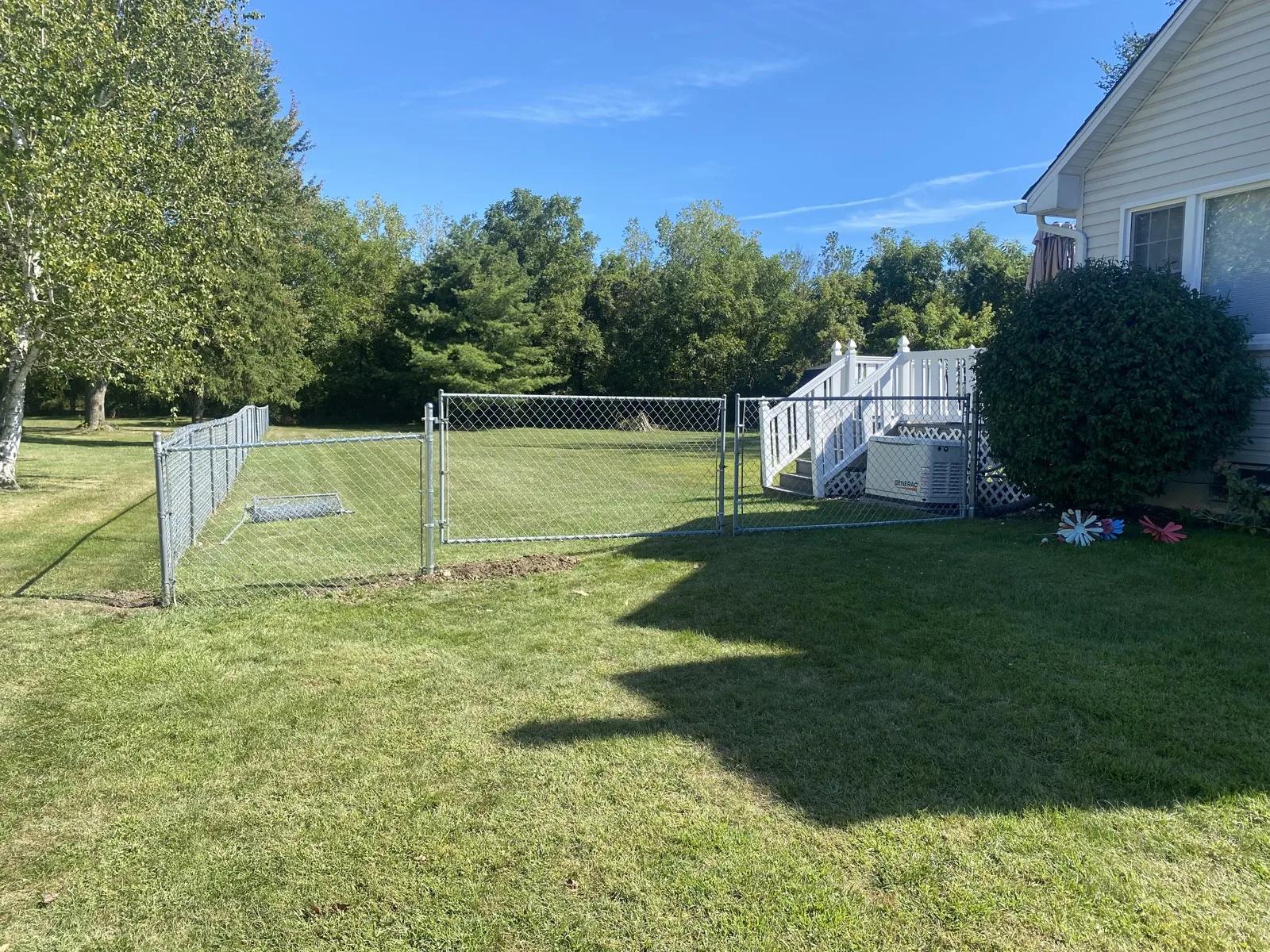
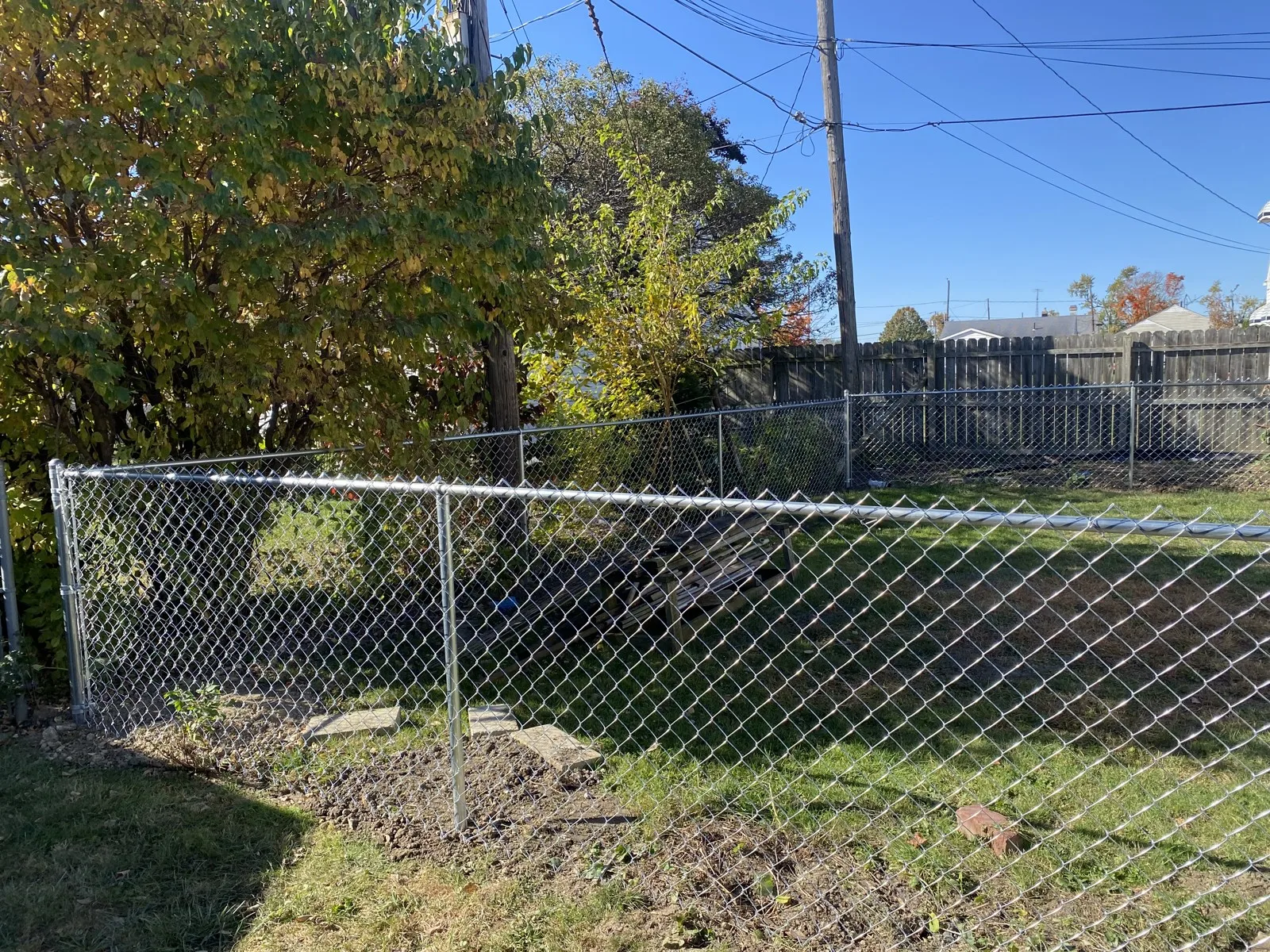
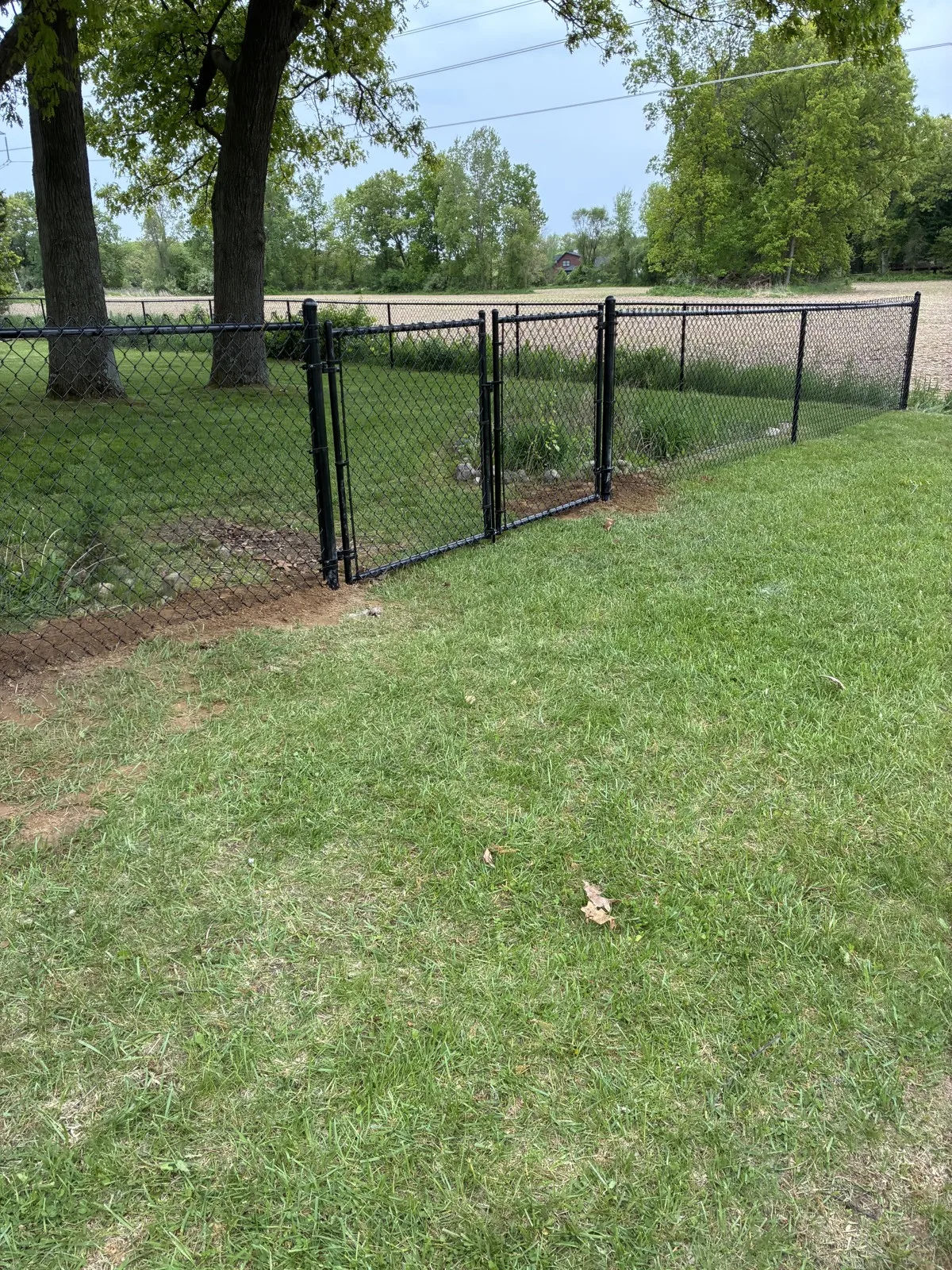
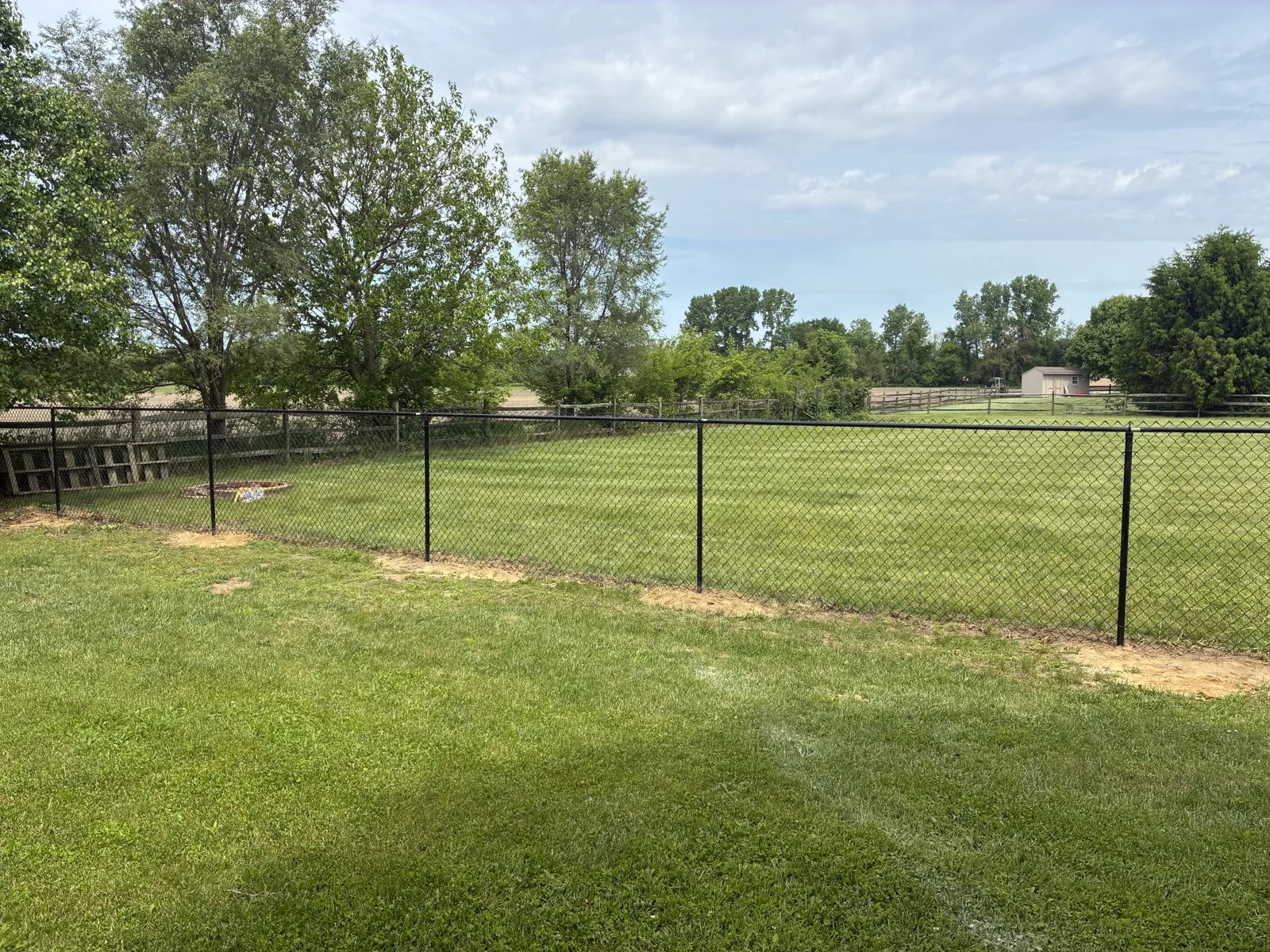
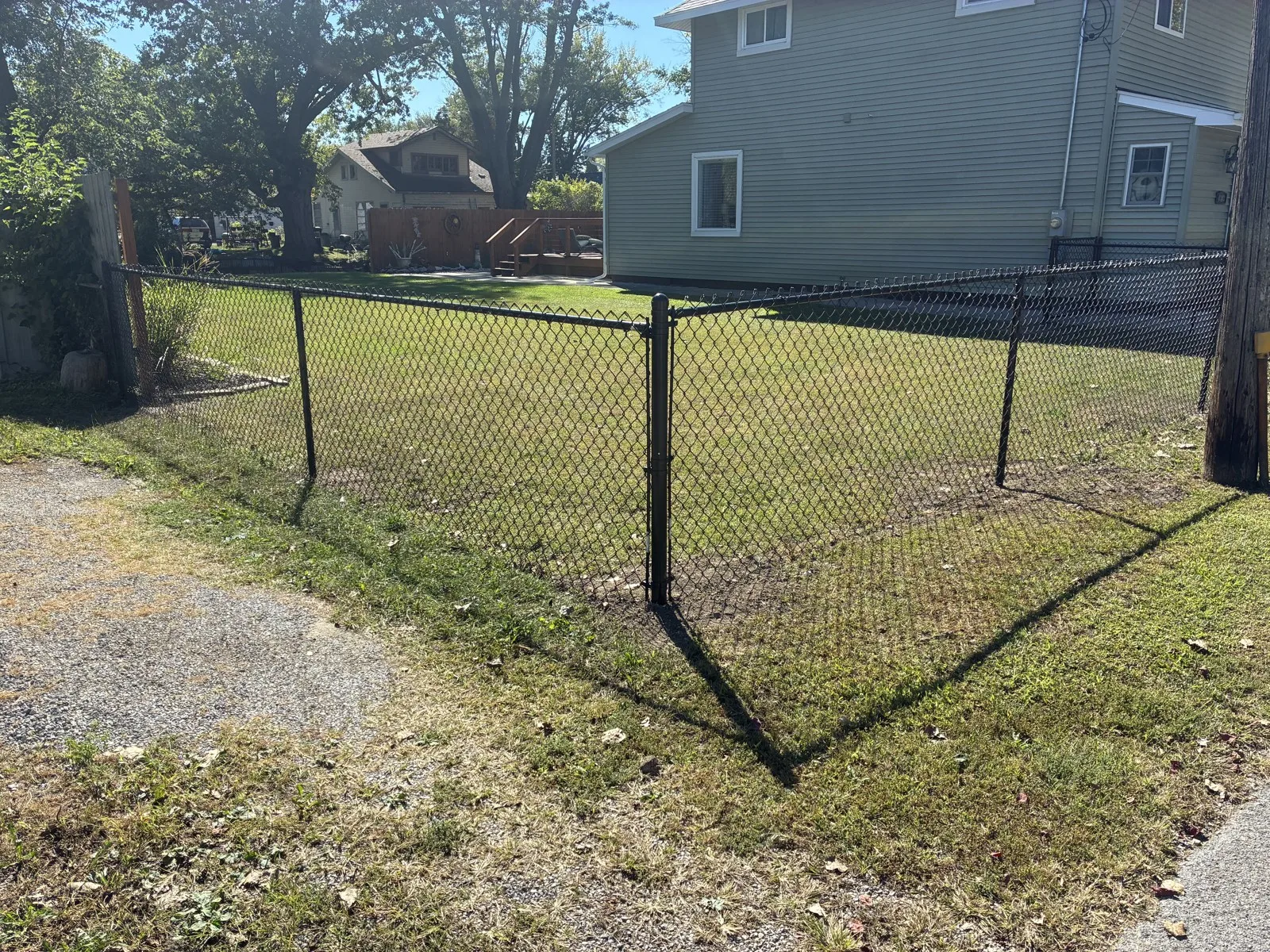
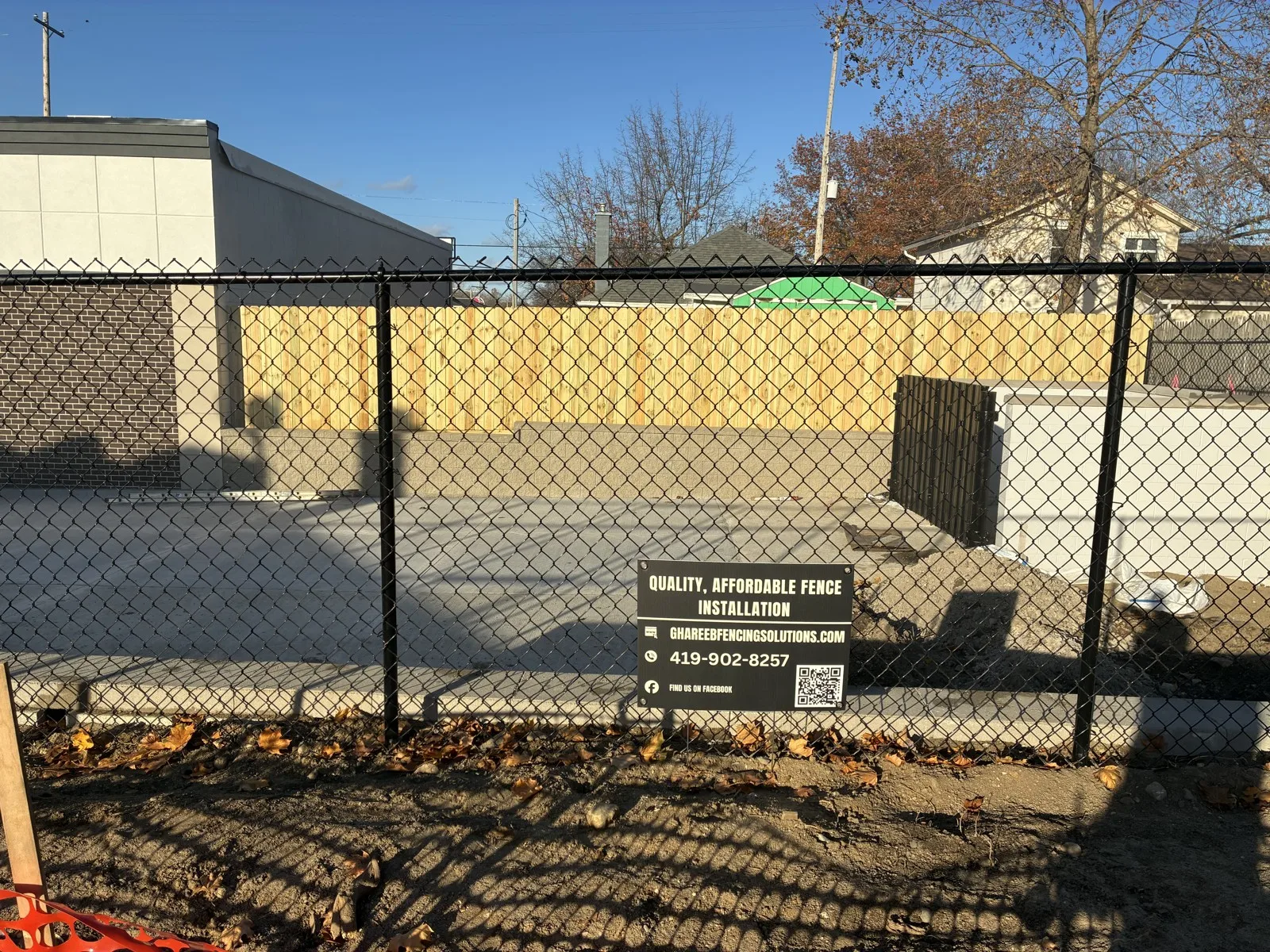
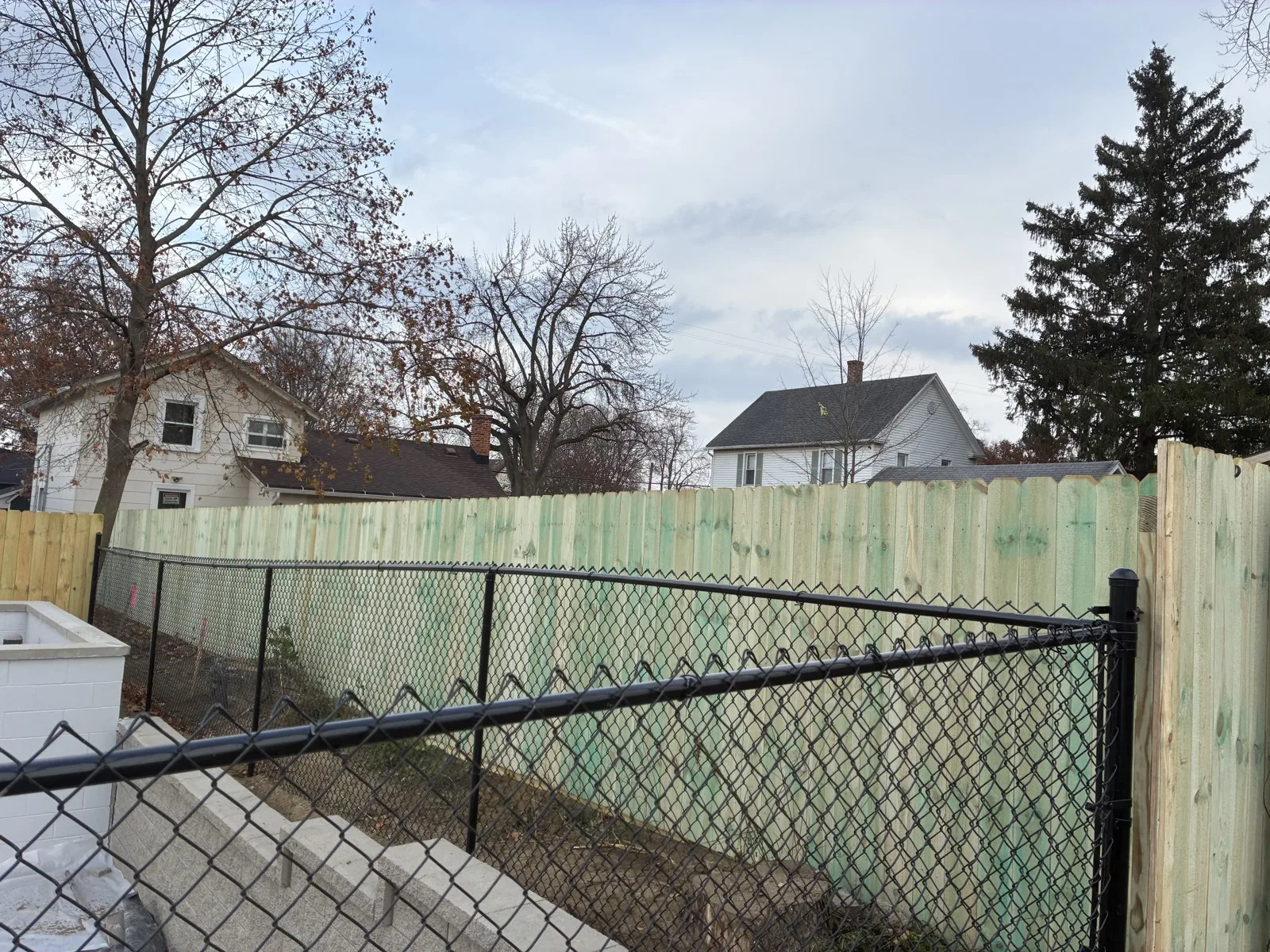
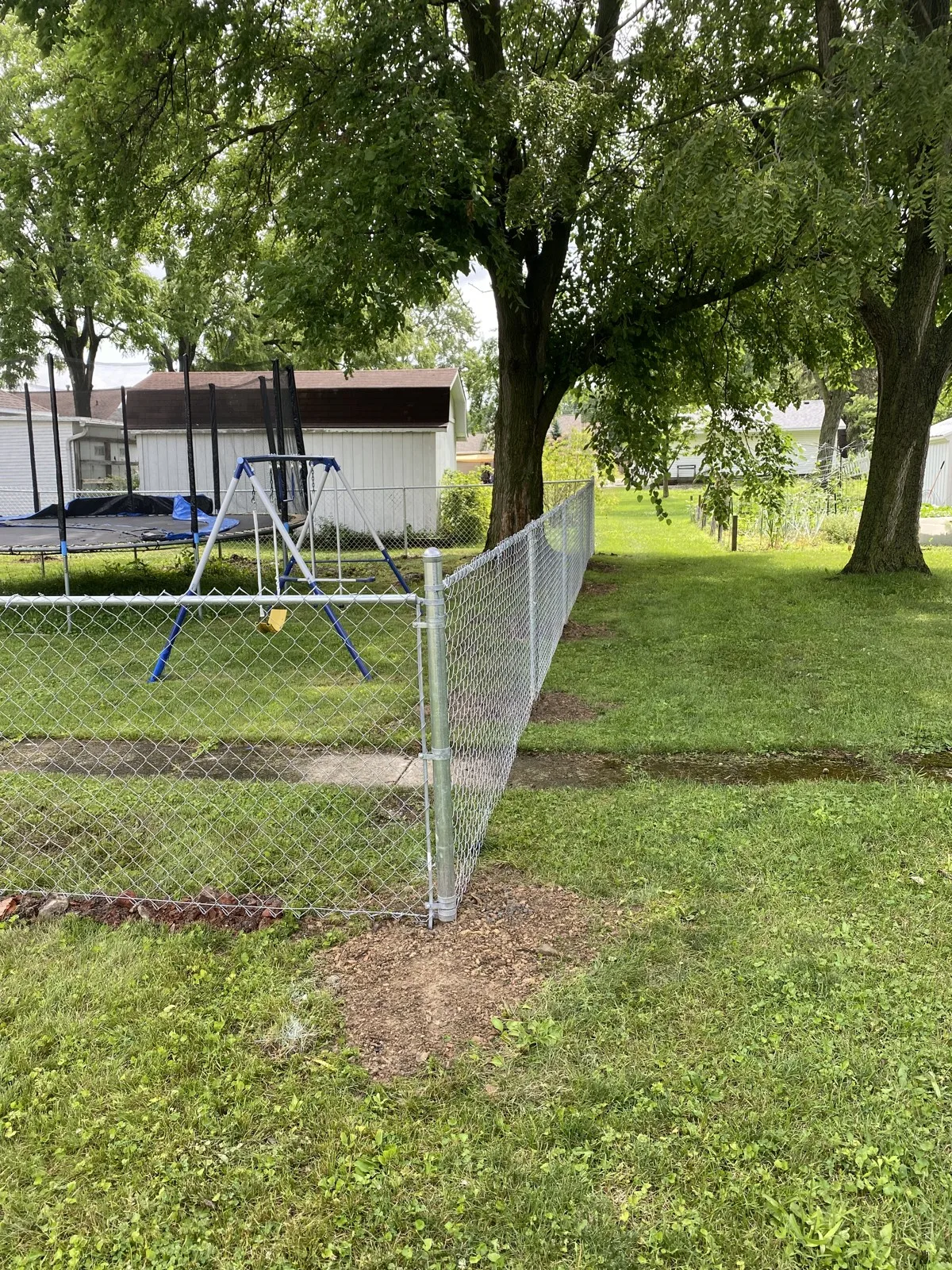
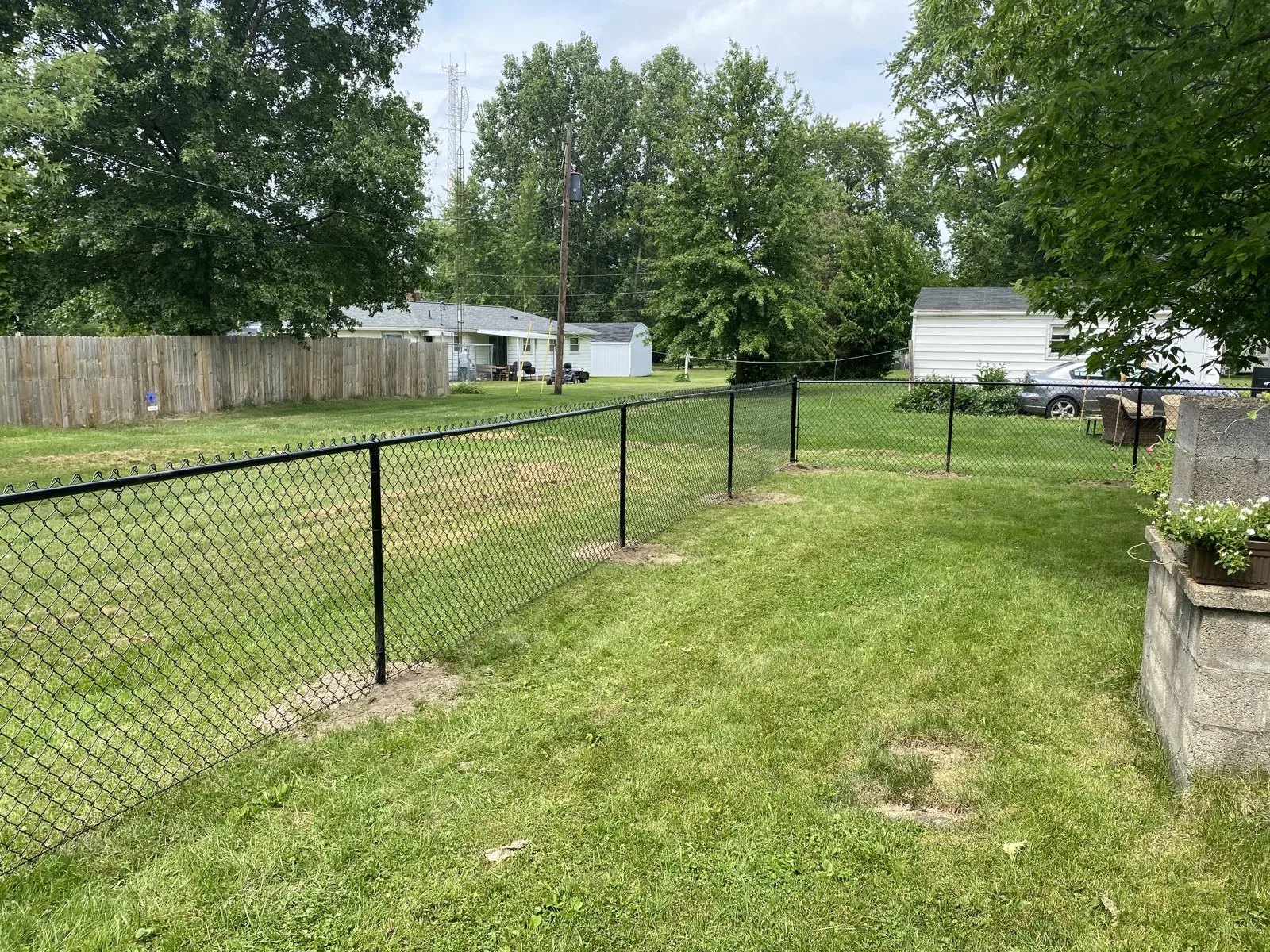
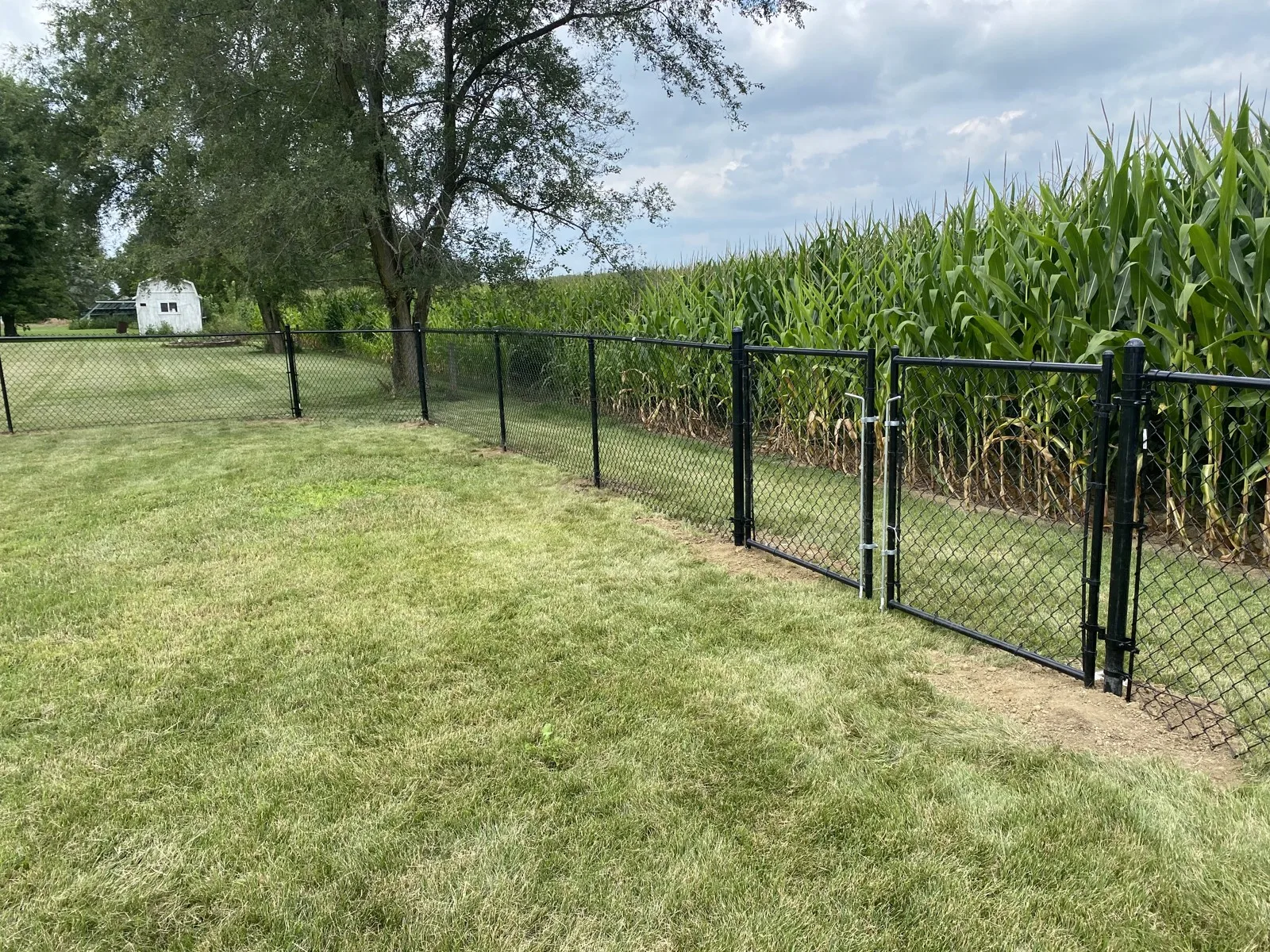
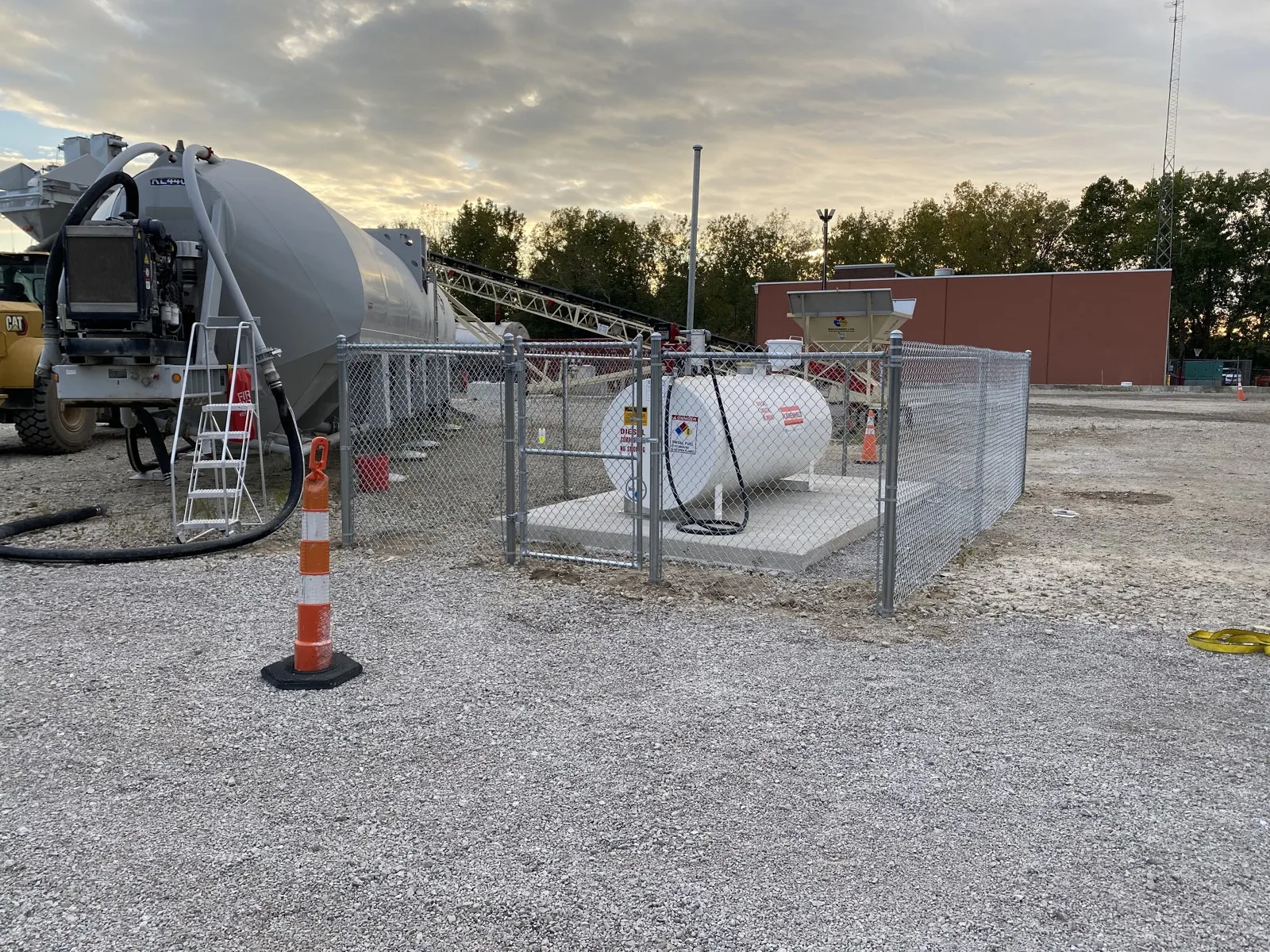
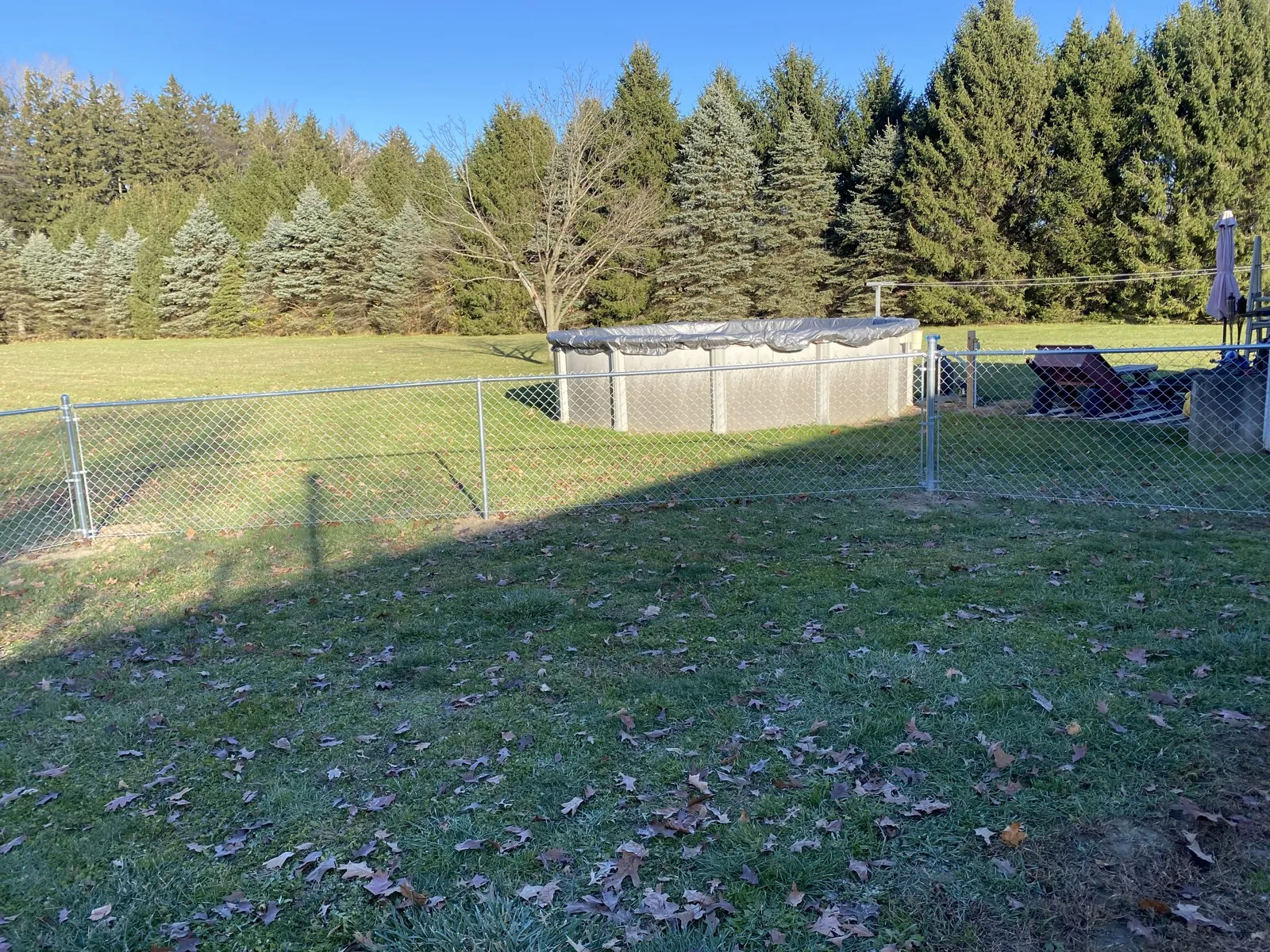
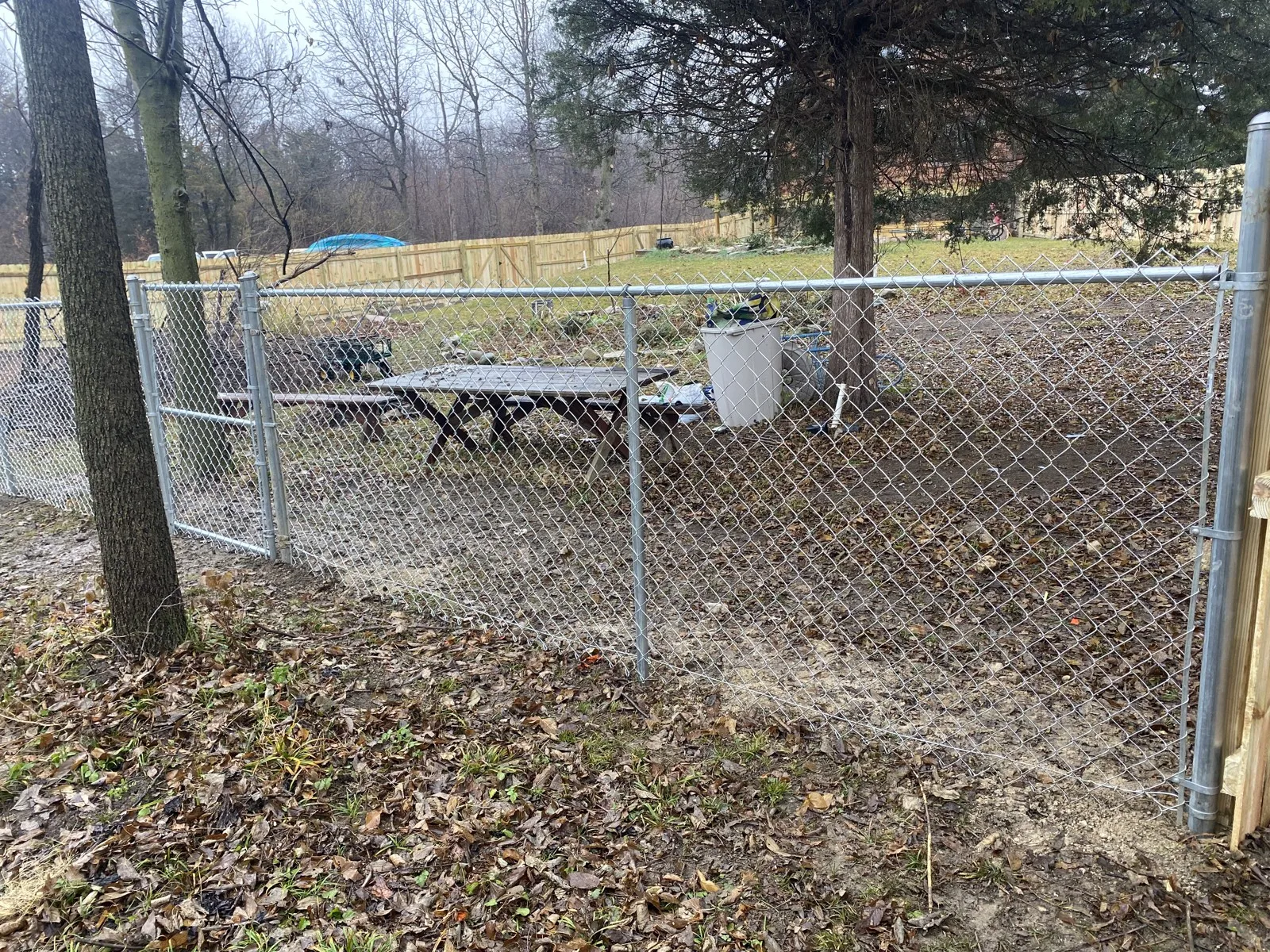
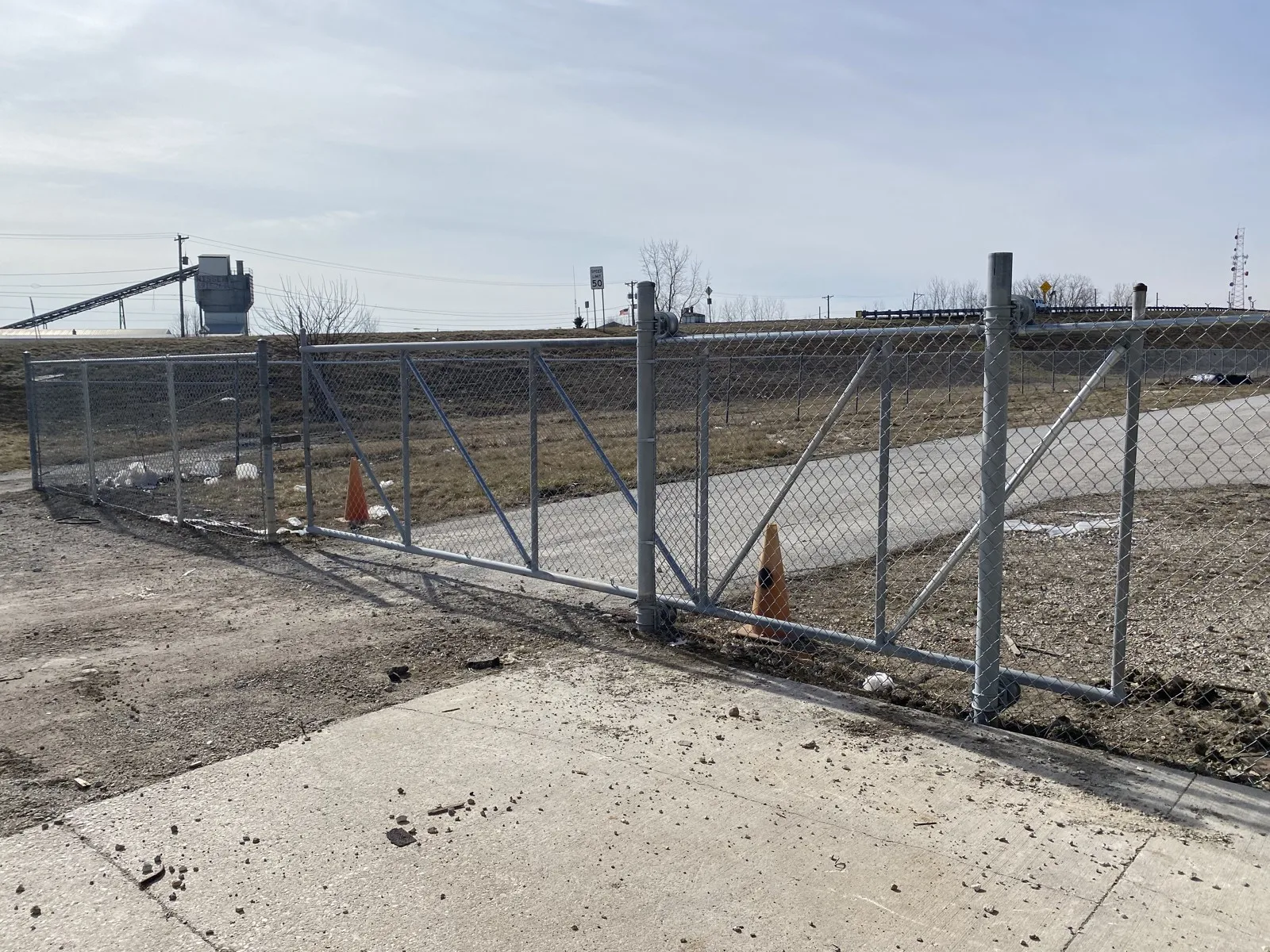
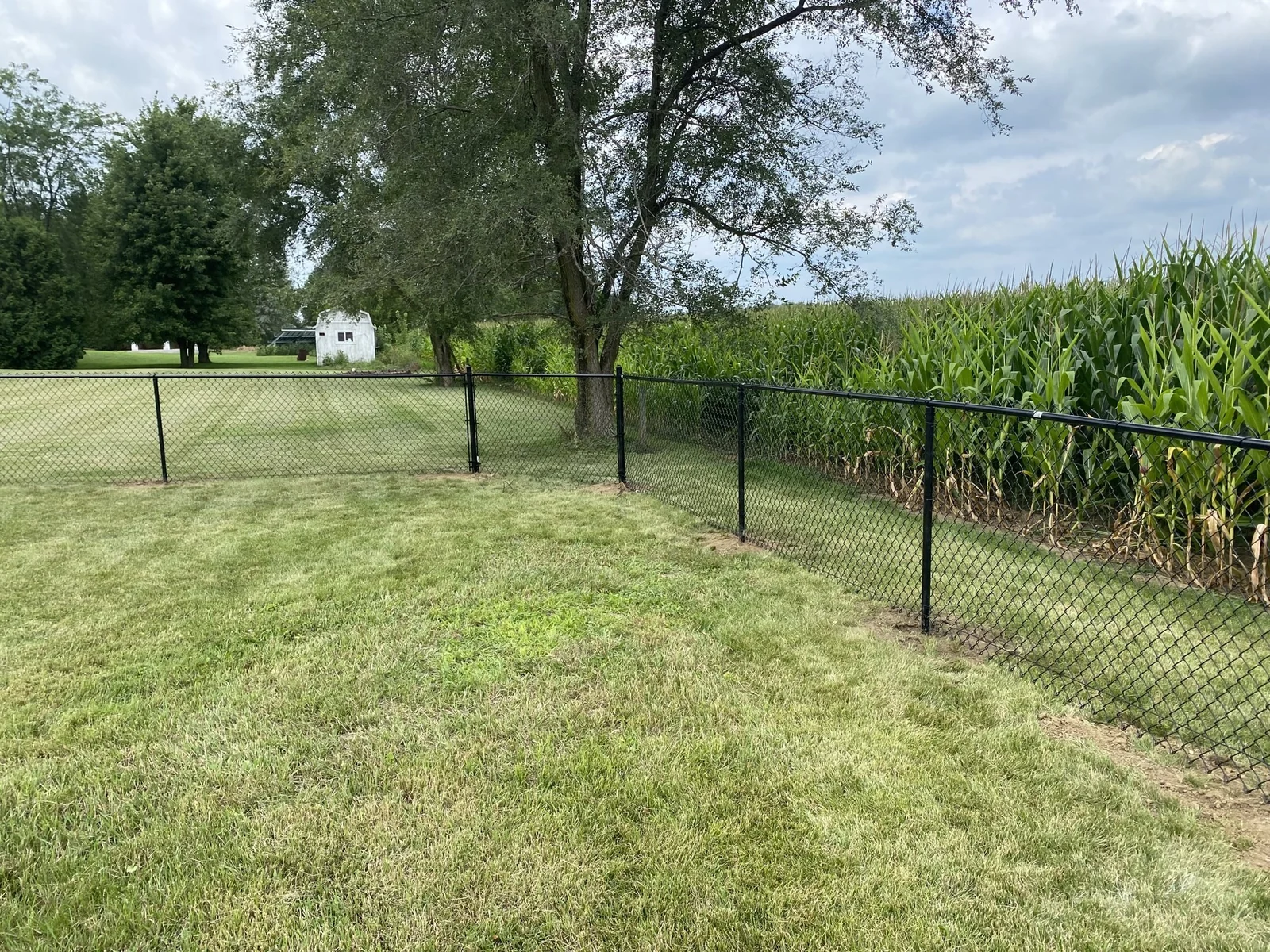
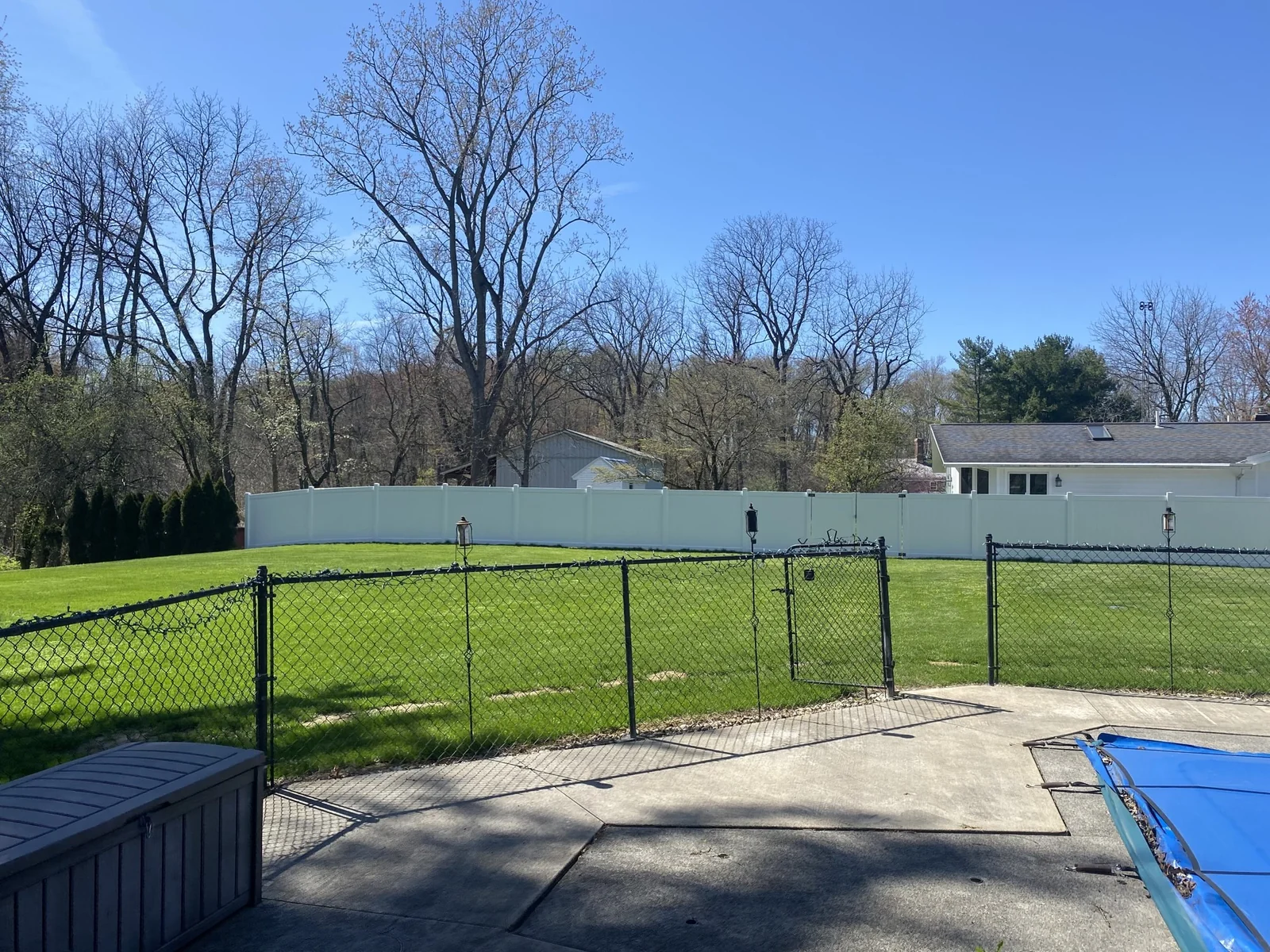
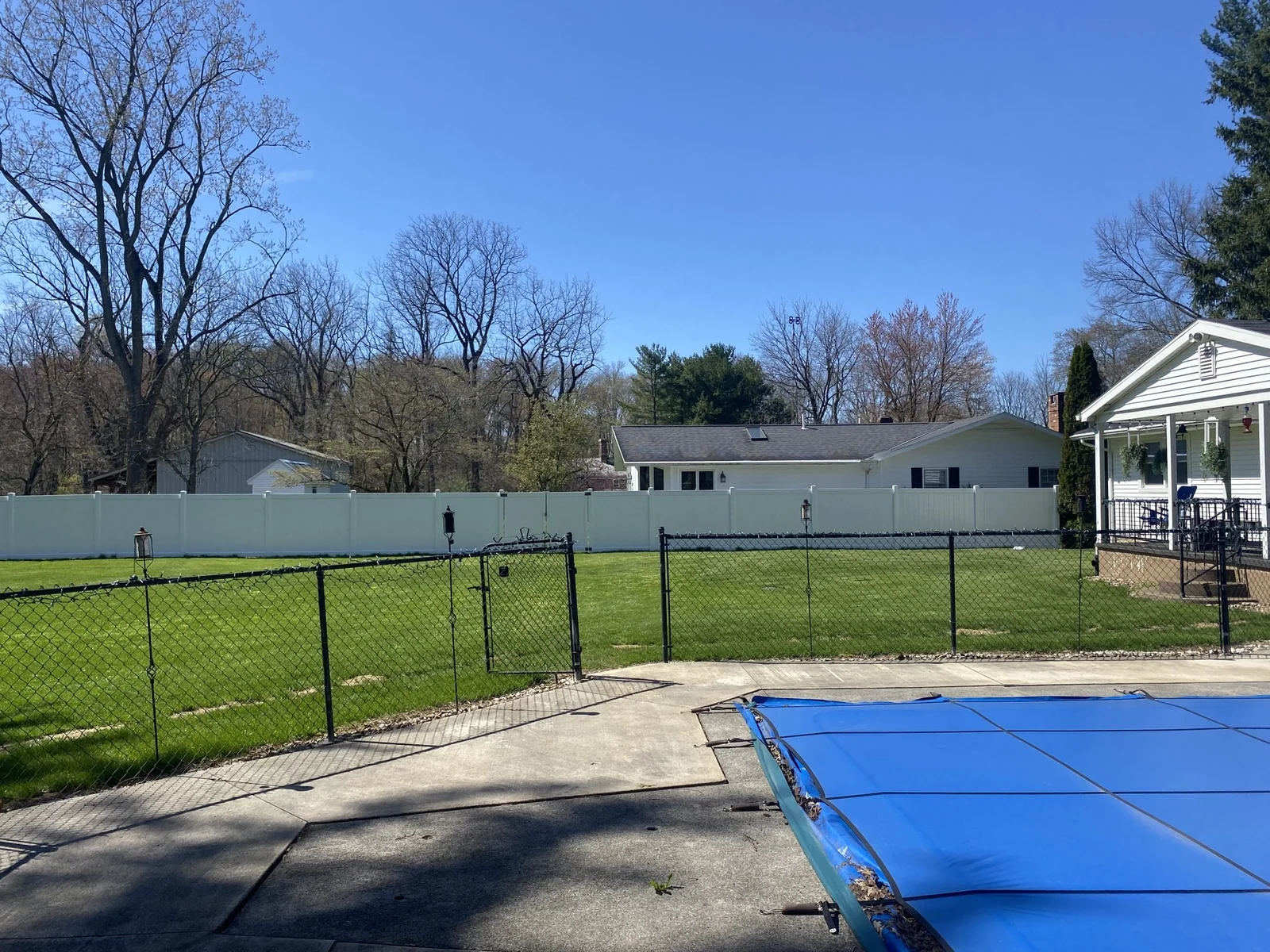
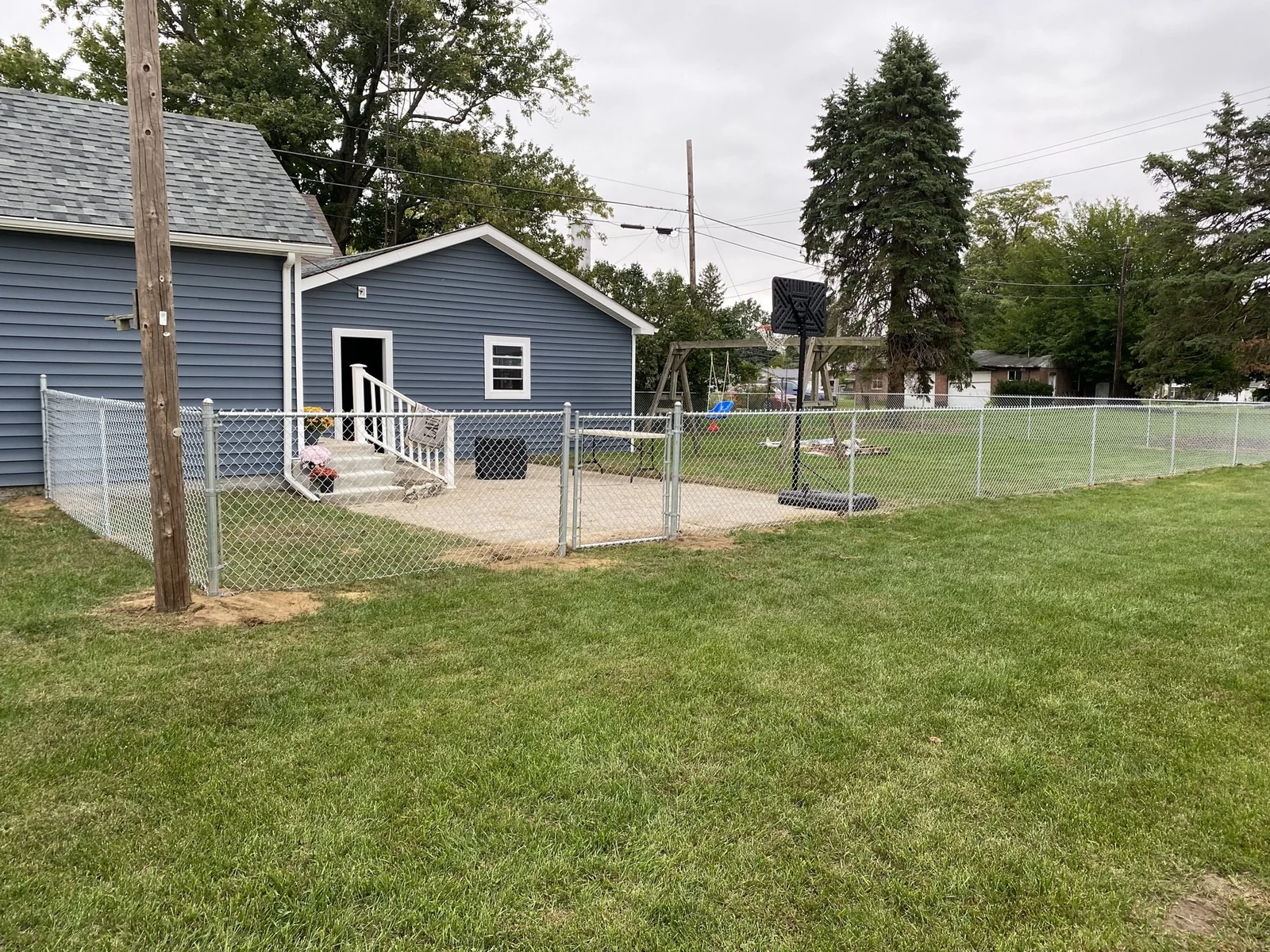
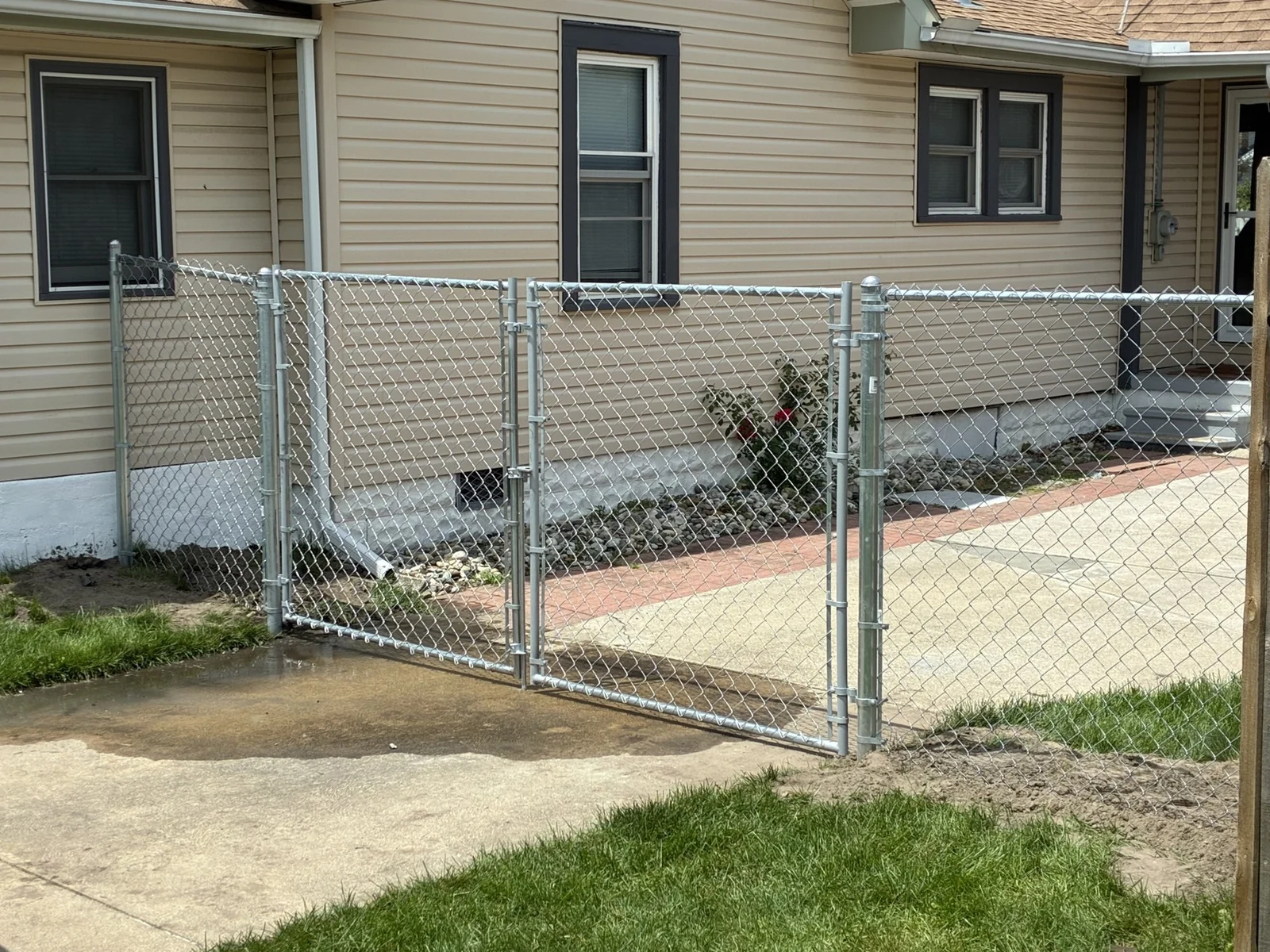
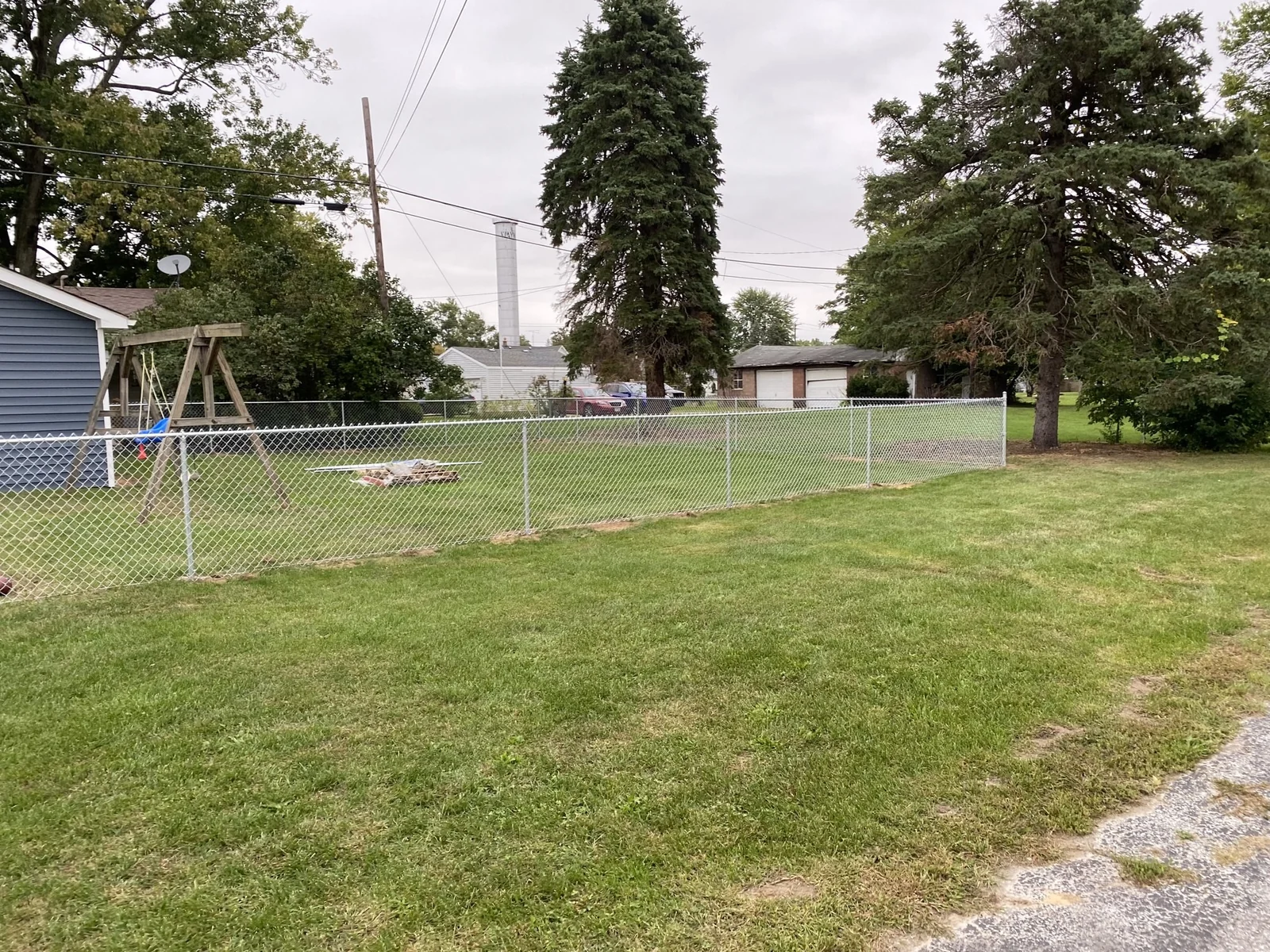
Chain link is an open enclosure whose useful details are easy to miss in a distant photo. Compare the mesh, wire, framework, finish and gates as a complete system, especially if privacy inserts may be added later.
Open mesh; slats change screening and require a system review.
upkeep
Inspect coating, ties, tension and gate operation.
access
Specify walking and equipment gates separately.
grade
Review the bottom line at dips, corners and transitions.
Built by Ghareeb Fencing Solutions
See the details. Find your favorite.
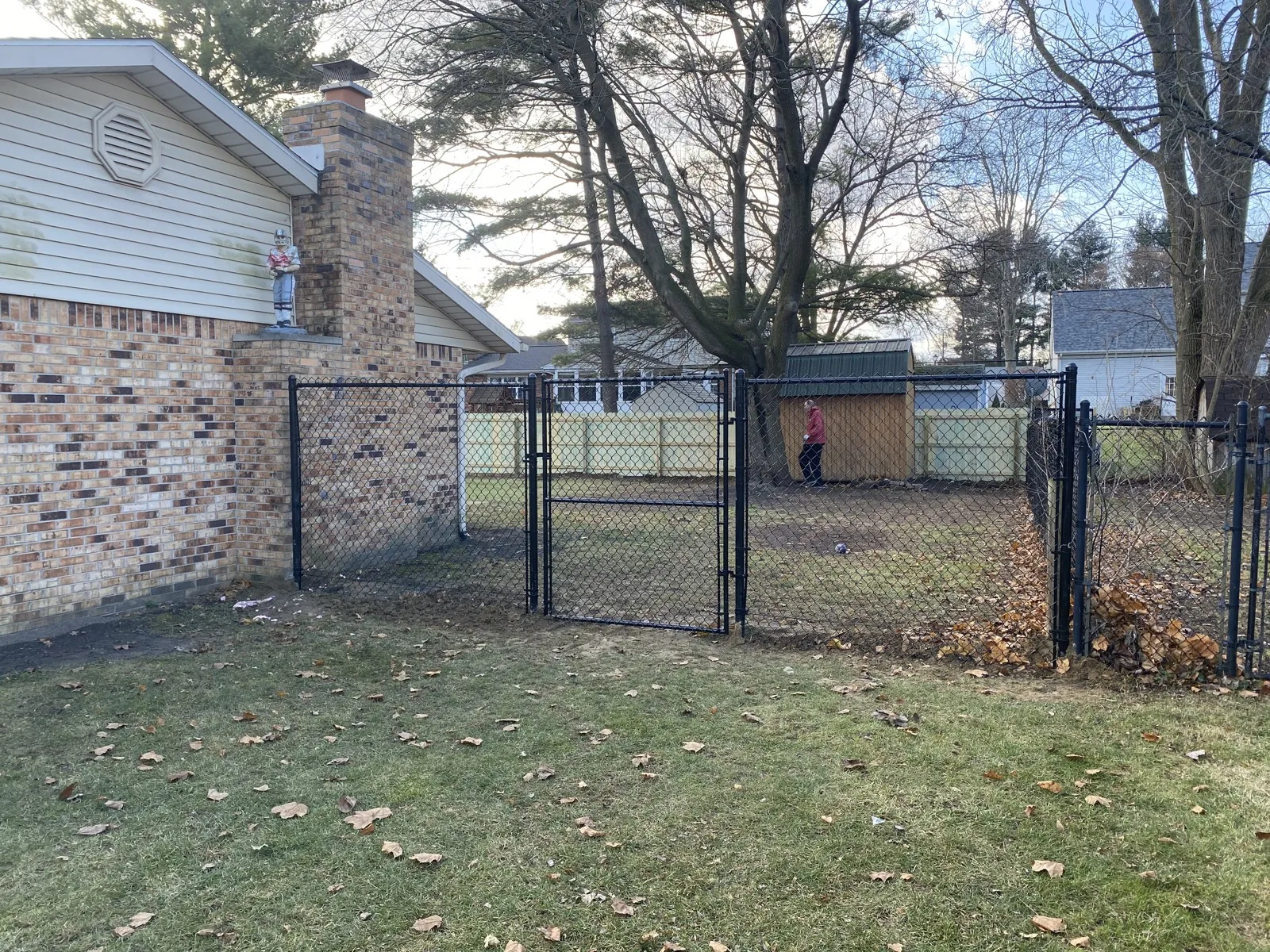
Browse black and silver-colored chain-link runs, corners and gate details from our installations.
All fence installation photos in this collection show our own work.
Black and galvanized categories follow the supplied folders; visual labels describe the finish and fence form. Pool-adjacent views do not prove barrier compliance.
34 project photographs. Select a photo to explore the details.
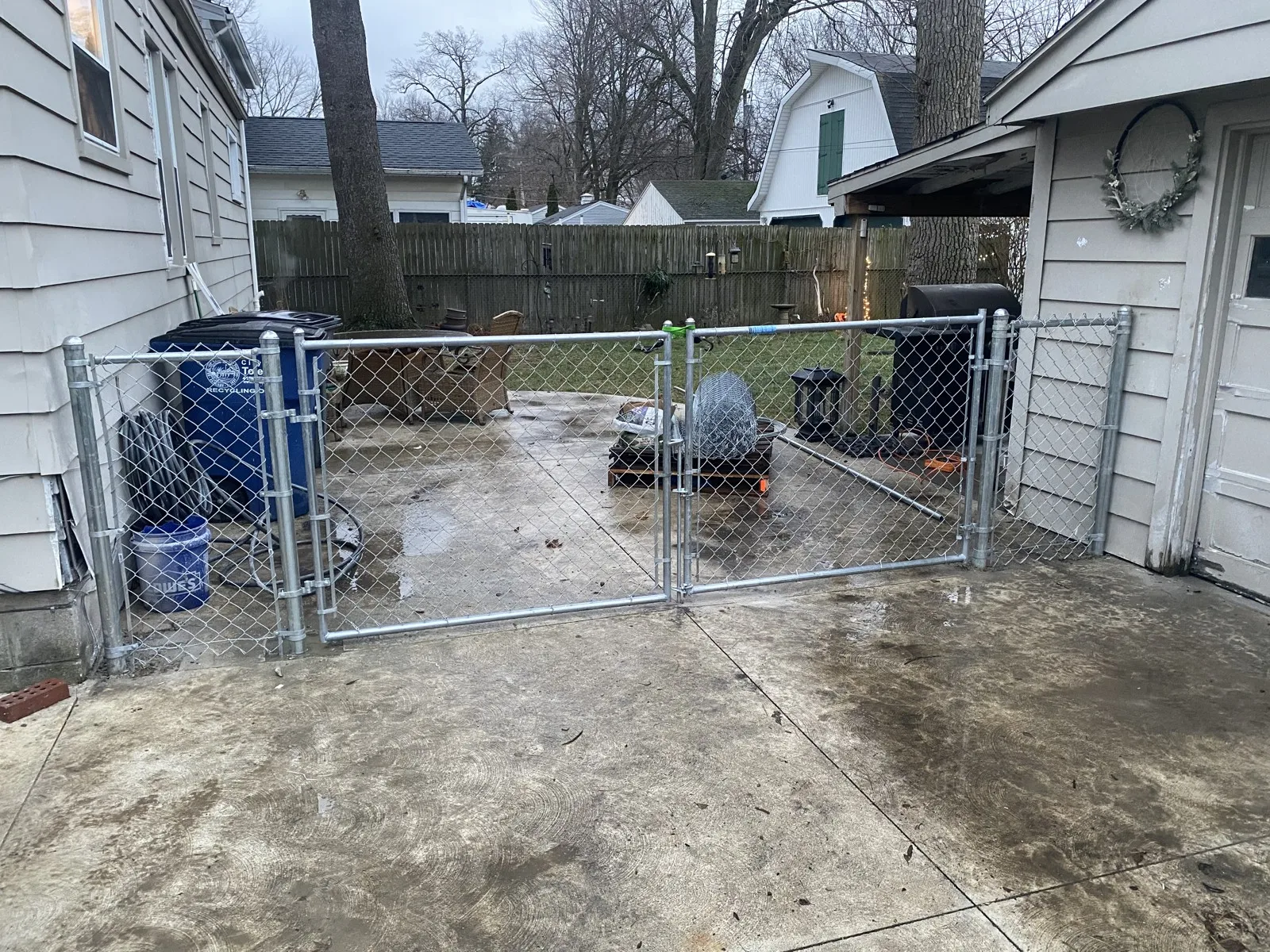
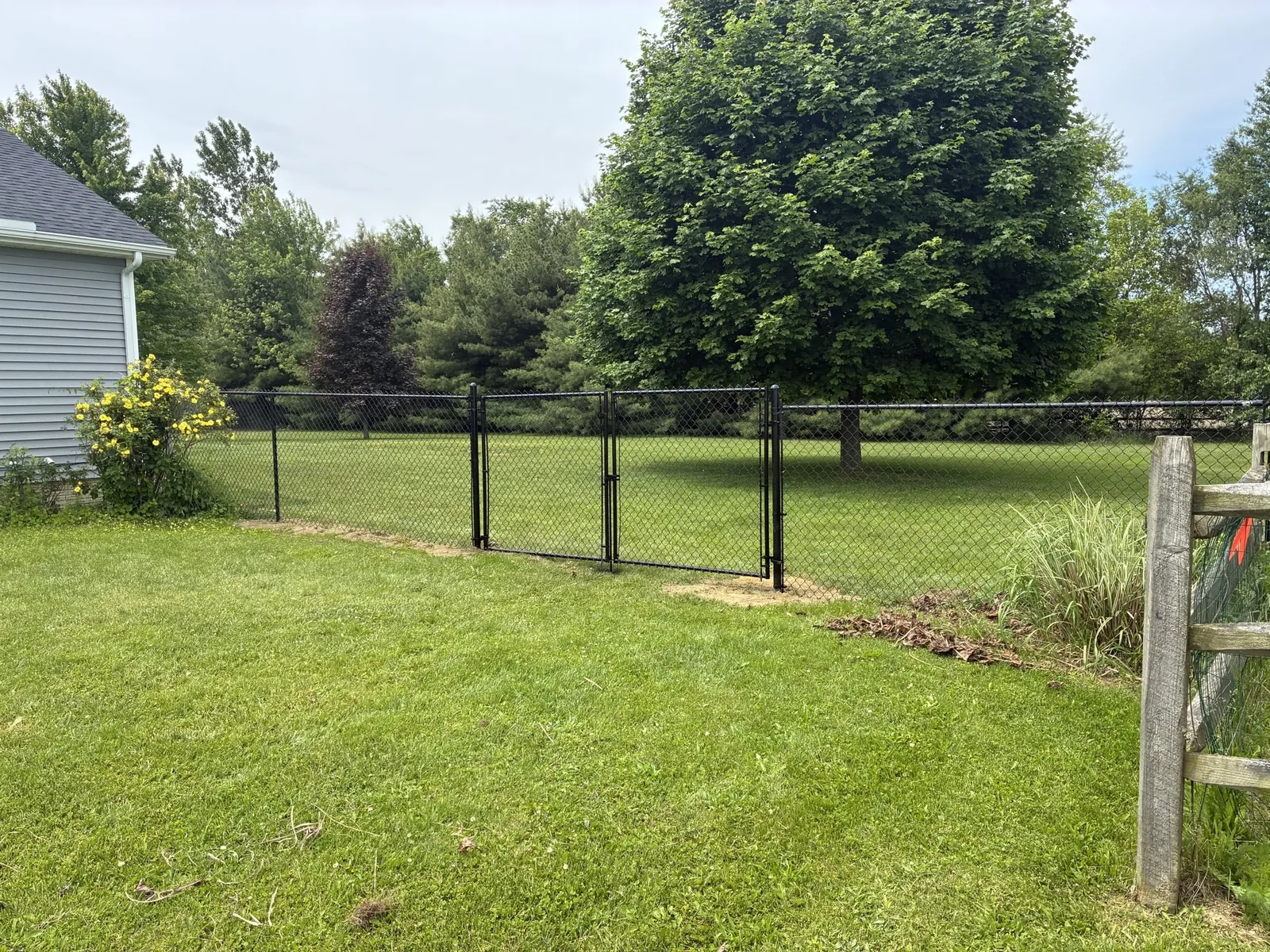
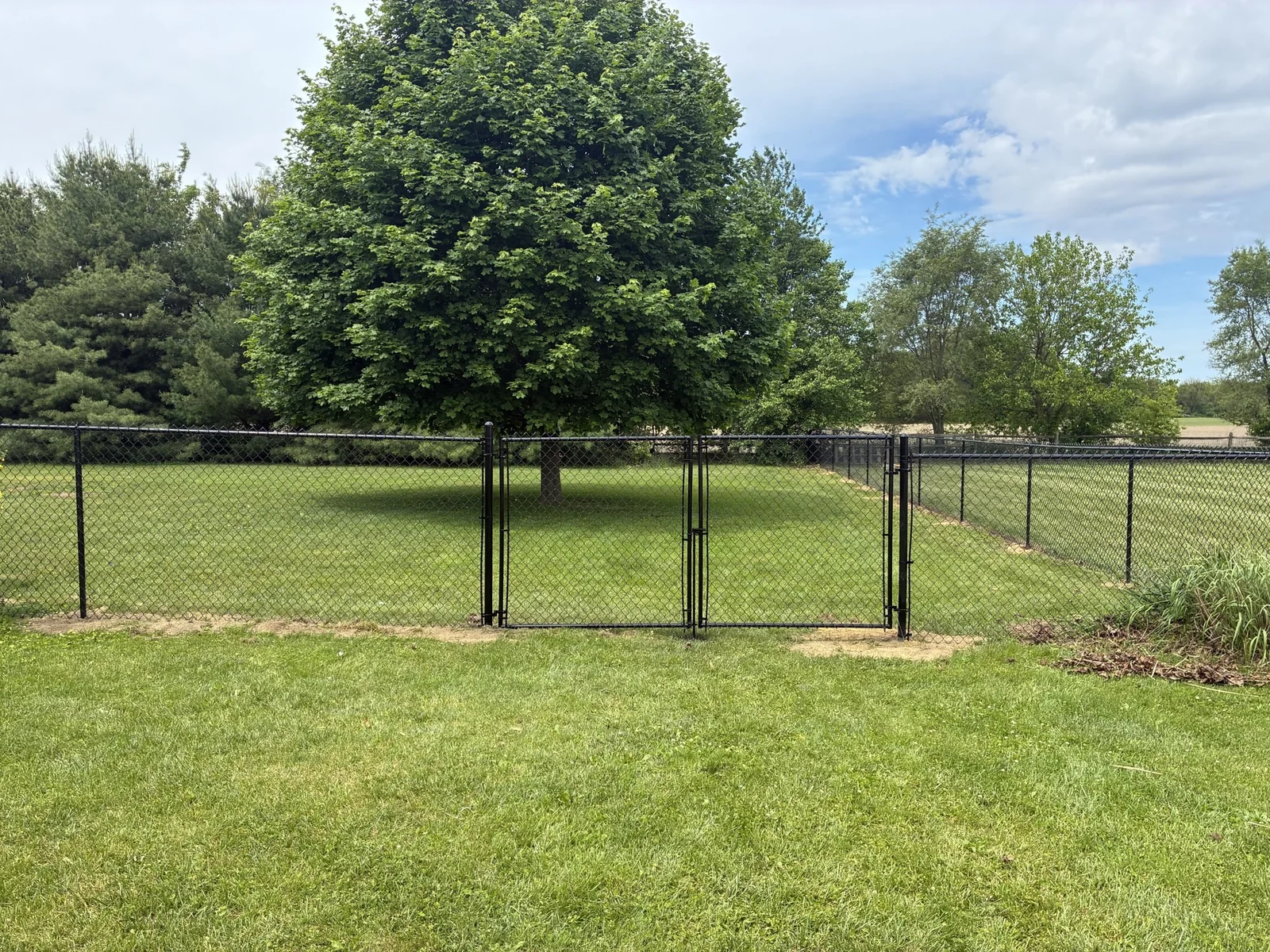
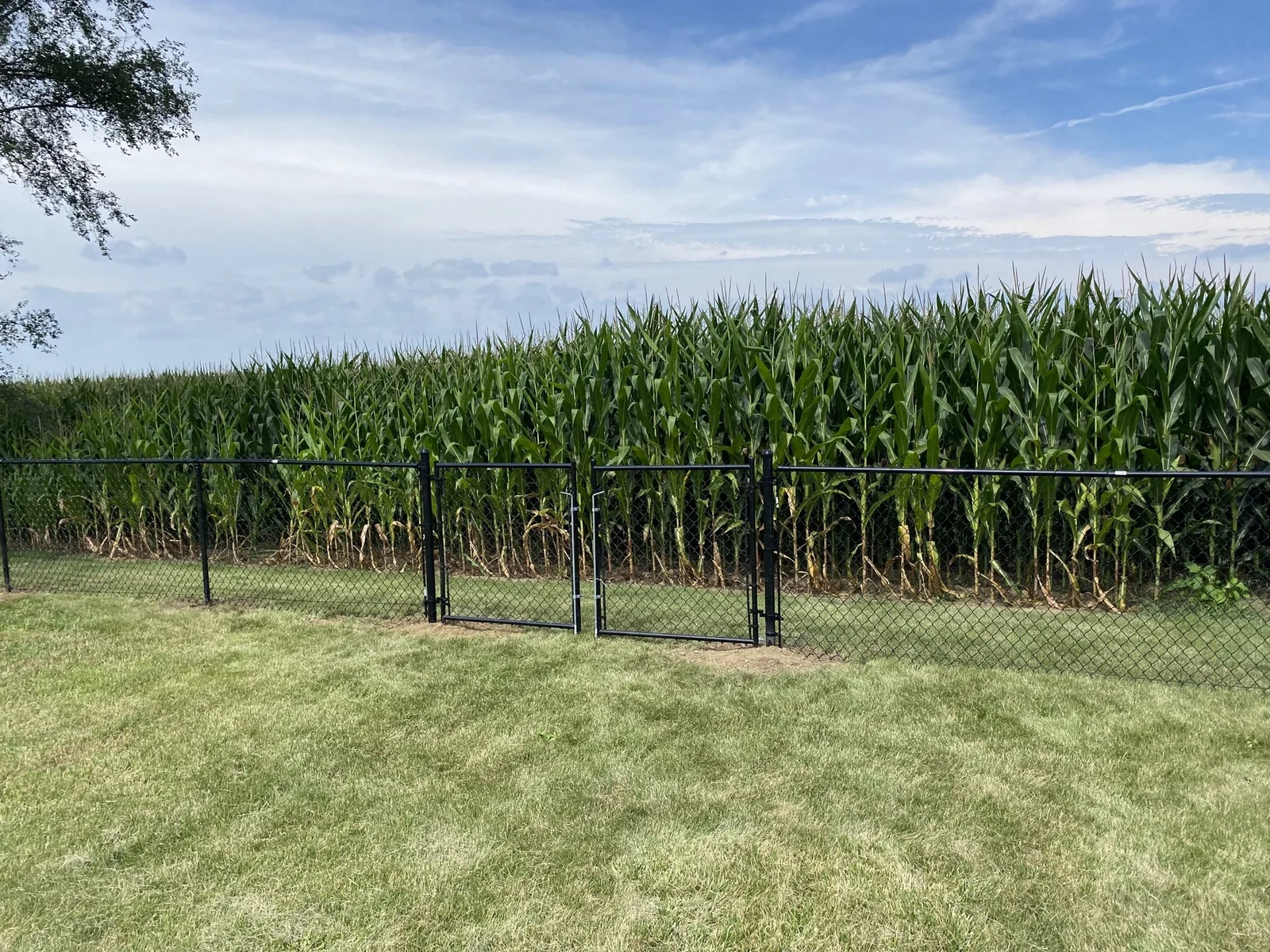
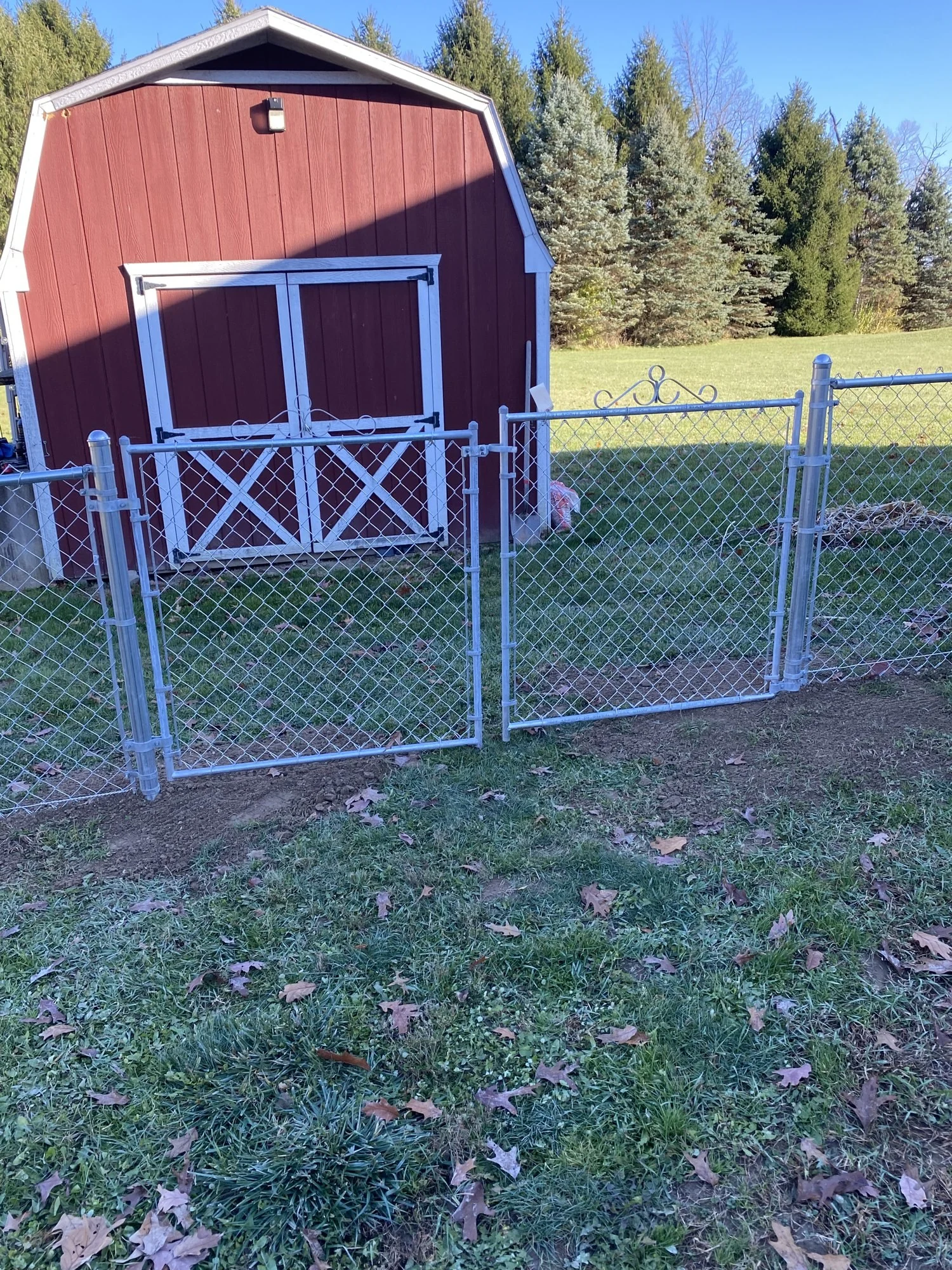
Two matching chain-link gate leaves create a wider opening.Decorative scrolls finish the top of these chain-link gate frames.
Make the layout your own
Size the route, then choose the gate
Start with what needs to move through the opening, and where it goes next.
Show the equipment you actually use
Bring the width of the mower, cart or bins that need access, including handles or attachments. Point out the approach from the driveway and any turn immediately inside the gate. Ask for the clear opening to be shown between the installed components.
Separate everyday and occasional access
A walk gate and an equipment gate can serve different routes. Mark how often each opening will be used, where the leaves can swing and whether they must stay clear of a path. For a double gate, review how each leaf is held and how the center closes.
Make a more informed choice
Chain link: the details that matter
Mesh size and wire gauge are different
Mesh size describes the inside opening between parallel sides of the diamond. Gauge describes the wire specification. Ask for both, plus the framework, rather than comparing two fences using height alone.
Color coating is not the same as solid vinyl fencing
Chain-link fabric and posts can have metallic or color coatings. Black chain link still uses an open mesh construction. Confirm the coating on the fabric, posts, rails and fittings instead of assuming one color description covers every component.
Screens change the wind-load question
Do not attach privacy screens or slats to an existing fence without checking the supports. CLFMI guidance calls for wind-load analysis of post size and spacing when screens or privacy slats are used.
The top and bottom edge deserve a close look
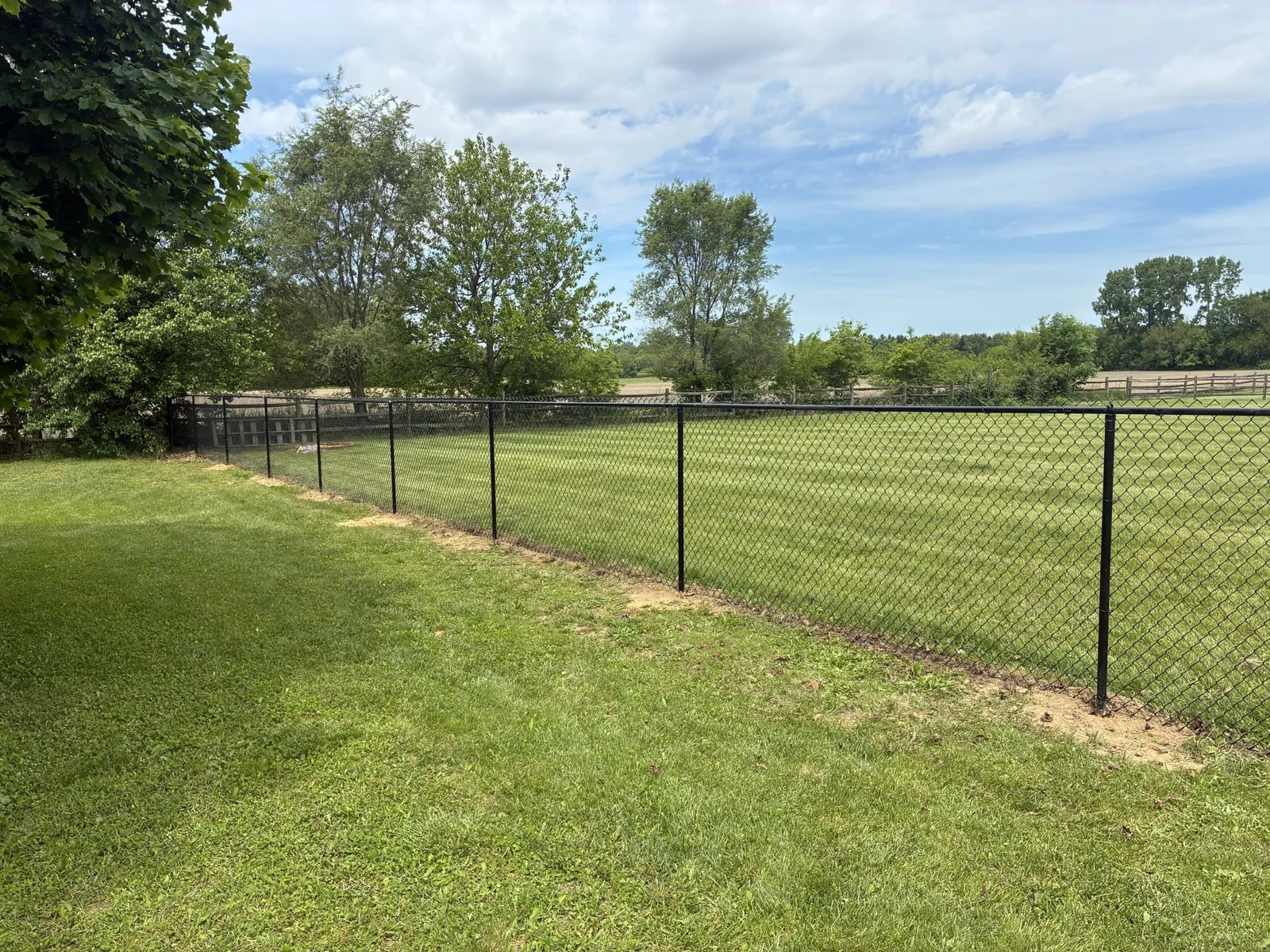
CLFMI recommends knuckled residential fabric edges, where wire ends are folded over. Ask how the proposed fence finishes those edges and how the mesh is secured near the ground.
A double gate adds a center meeting point
An equipment opening may use two gate leaves. Include the meeting gap, latch arrangement, ground clearance and operating space in the review, particularly if the same enclosure is used by pets.
Bring these questions to your estimate
What mesh opening, wire specification and framework are being quoted?
Will every component have the same intended finish?
Might I want privacy inserts later, and is that included in the support design?
Where are the largest ground and gate gaps in the proposed enclosure?
A ballpark is a planning range. The final quote depends on measurements, gates, removal, site conditions and the written installation scope.
Good questions. Clearer answers.
Can I add a fabric privacy screen after installation?
Have the framework and exposure reviewed first. A screen changes how wind acts on the fence, and the existing posts and spacing may not have been selected for it. Include that future use in the original discussion if possible.
What does a quoted mesh size actually measure?
It is the inside distance between parallel sides of the mesh diamond, not the fence height or the thickness of its wire. Ask the estimator to show those separate specifications in the written proposal.
Can a chain-link gate be replaced without replacing every panel?
That depends on the existing posts, opening, hardware and surrounding fence. Ask for an assessment and a gate-specific scope. Do not assume an old hinge post can support a different gate simply because the opening is similar.
Material guidance & planning references
These references explain material behavior and planning considerations. Product examples do not identify the brand in our photos or promise a particular specification. Your proposal and applicable local requirements determine the project details.
Keep the fence, gates and next steps on the same page.
Review the proposed fence line and gates with our team, then use your project portal to keep the saved plan, project details and communication together. Site-plan property-line references help with planning; they do not replace a boundary survey.