Height is only one escape route
Dogs can climb, dig, chew or learn to open gates. Describe the actual behavior rather than choosing a fence solely from height or breed. That helps focus the plan on the way the animal interacts with the boundary.
Start with how your dog behaves, then select the fence. An enclosure for a small dog that squeezes through gaps has different priorities from one for a climber, digger or dog that works out a gate latch.
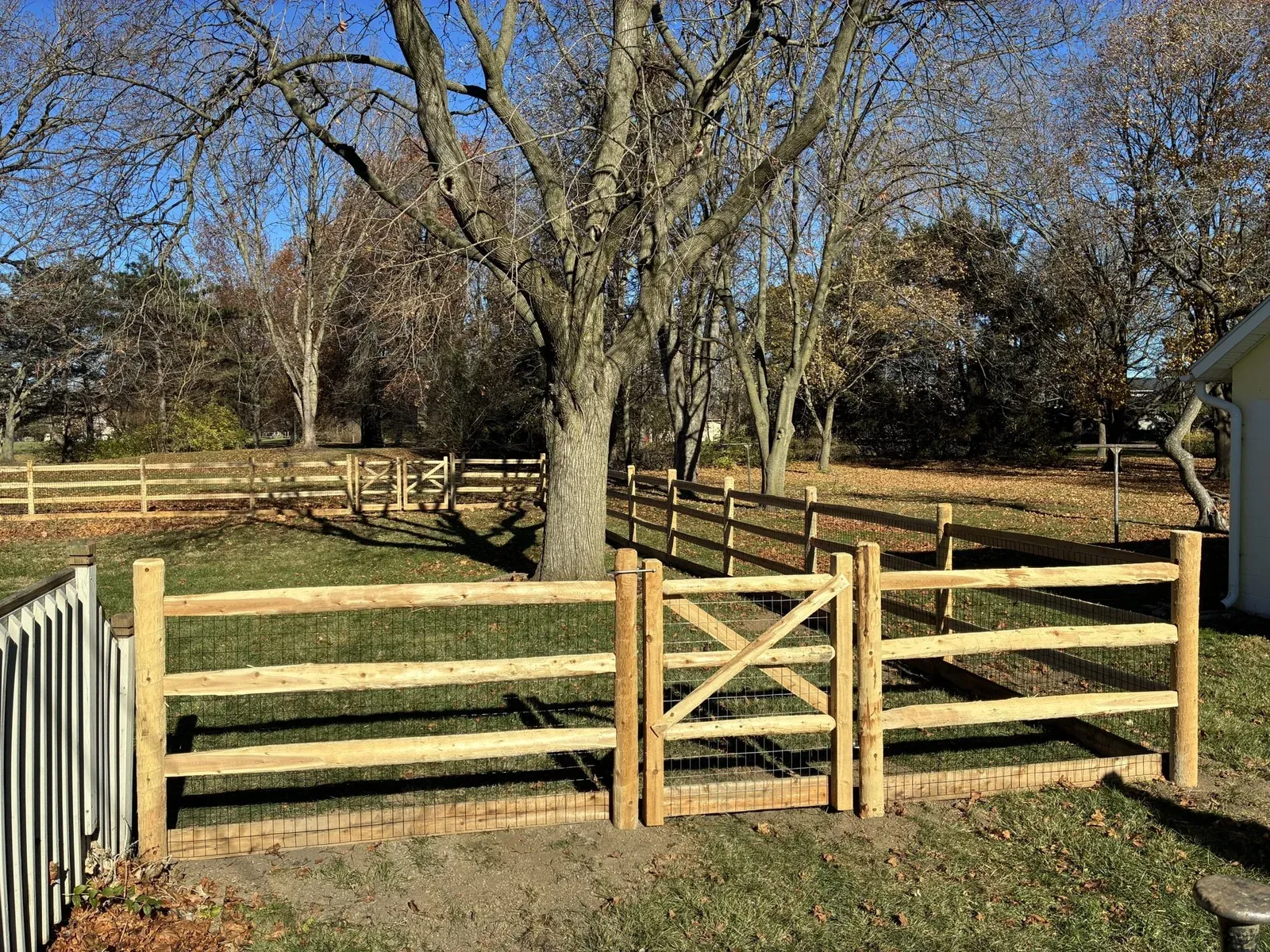
Compare mesh-backed rails, chain link, privacy fences and gates from our own work.
All fence installation photos in this collection show our own work.
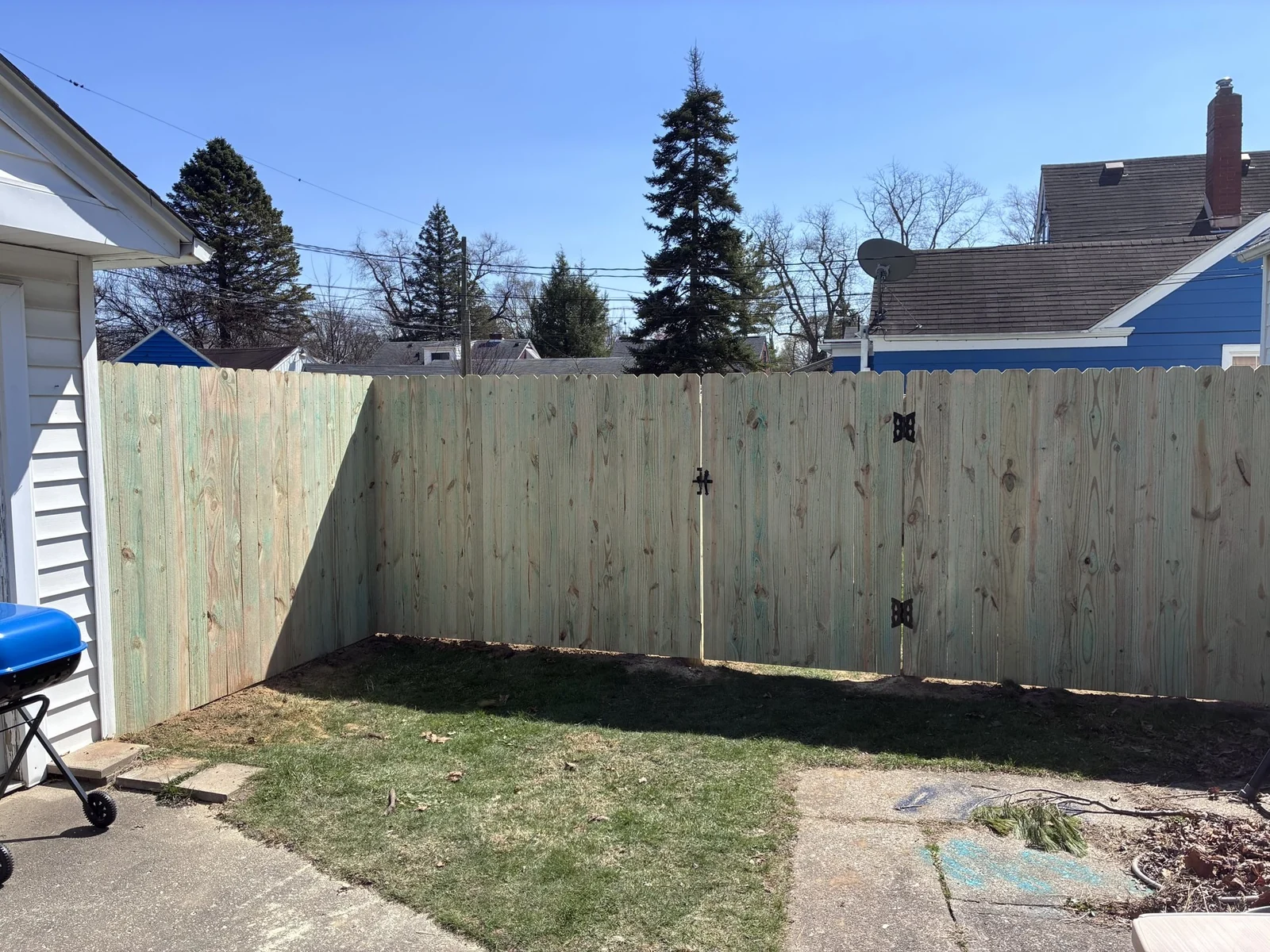
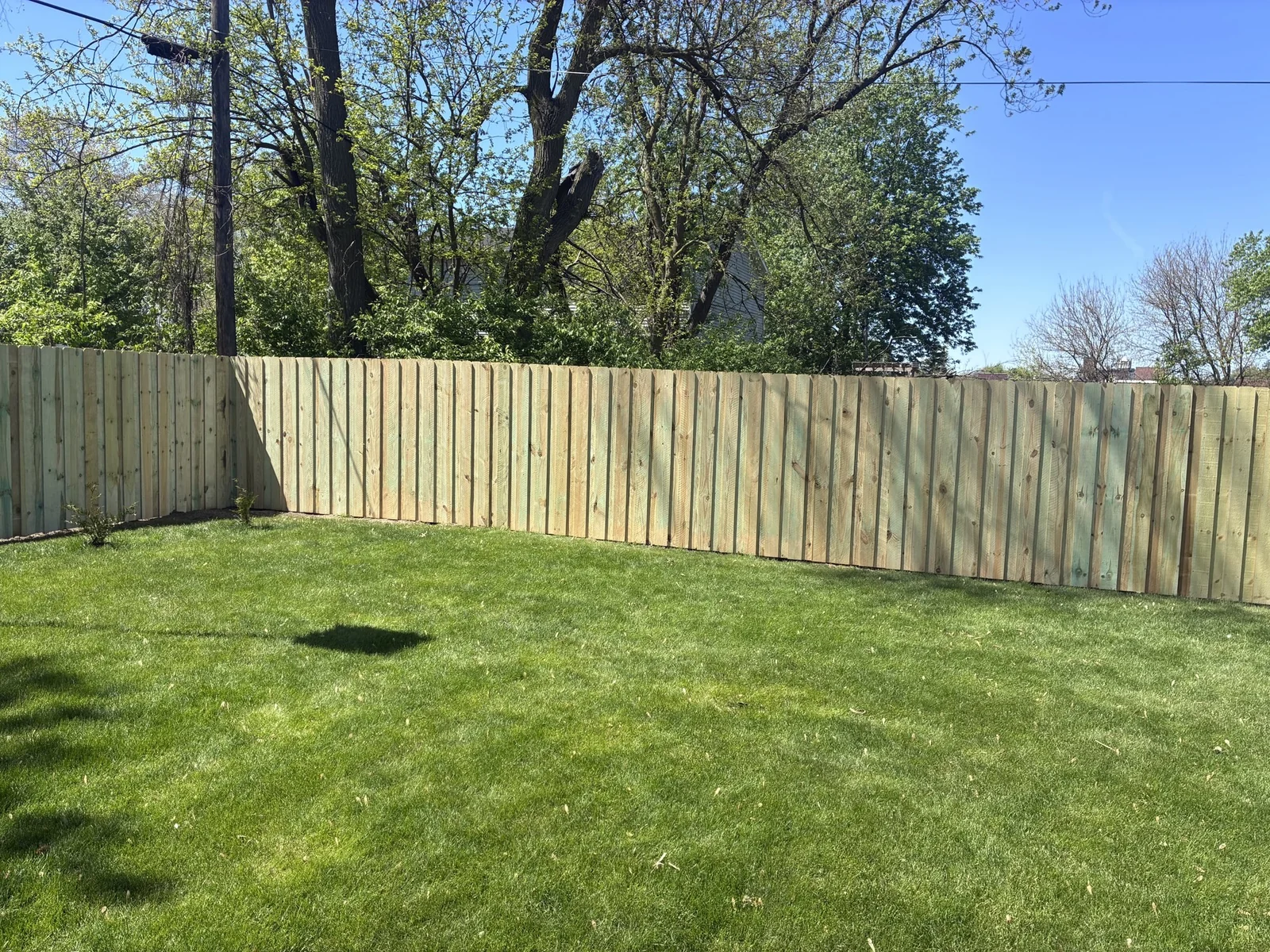
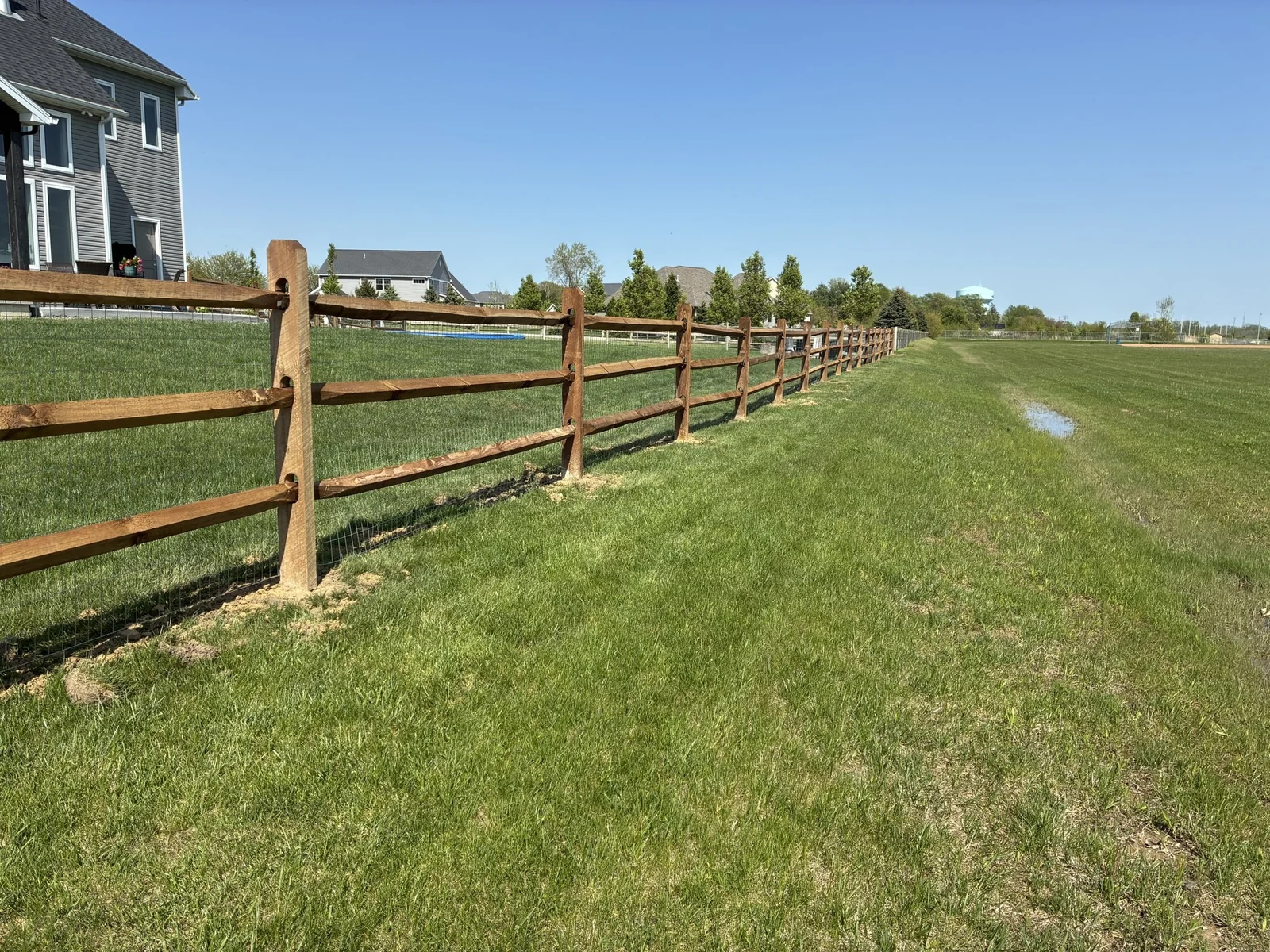
These are visible fence-style examples. Suitability depends on the particular animal, openings, gate hardware, ground conditions and complete layout; photos alone do not establish containment.
18 project photographs. Select a photo to explore the details.
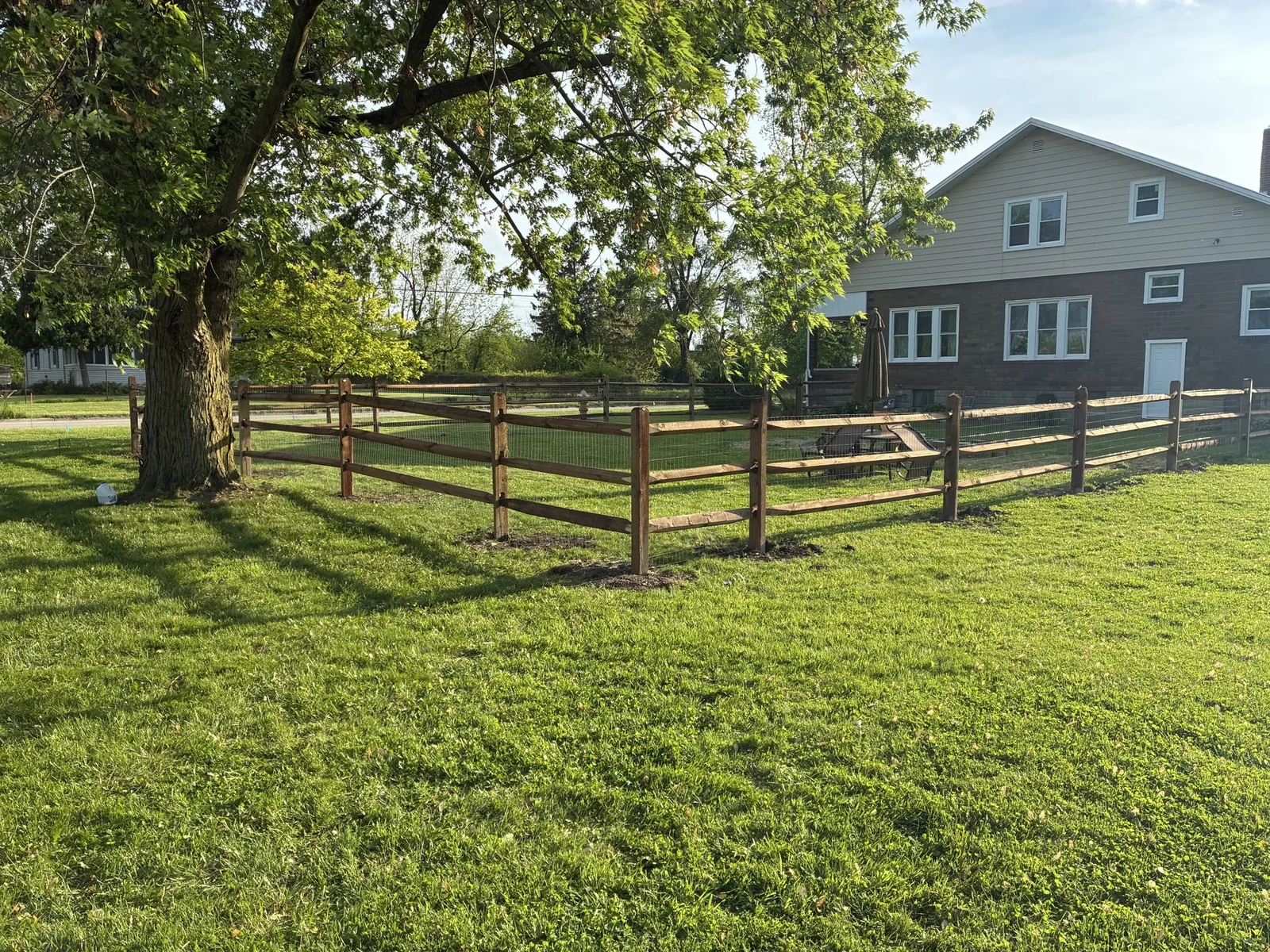
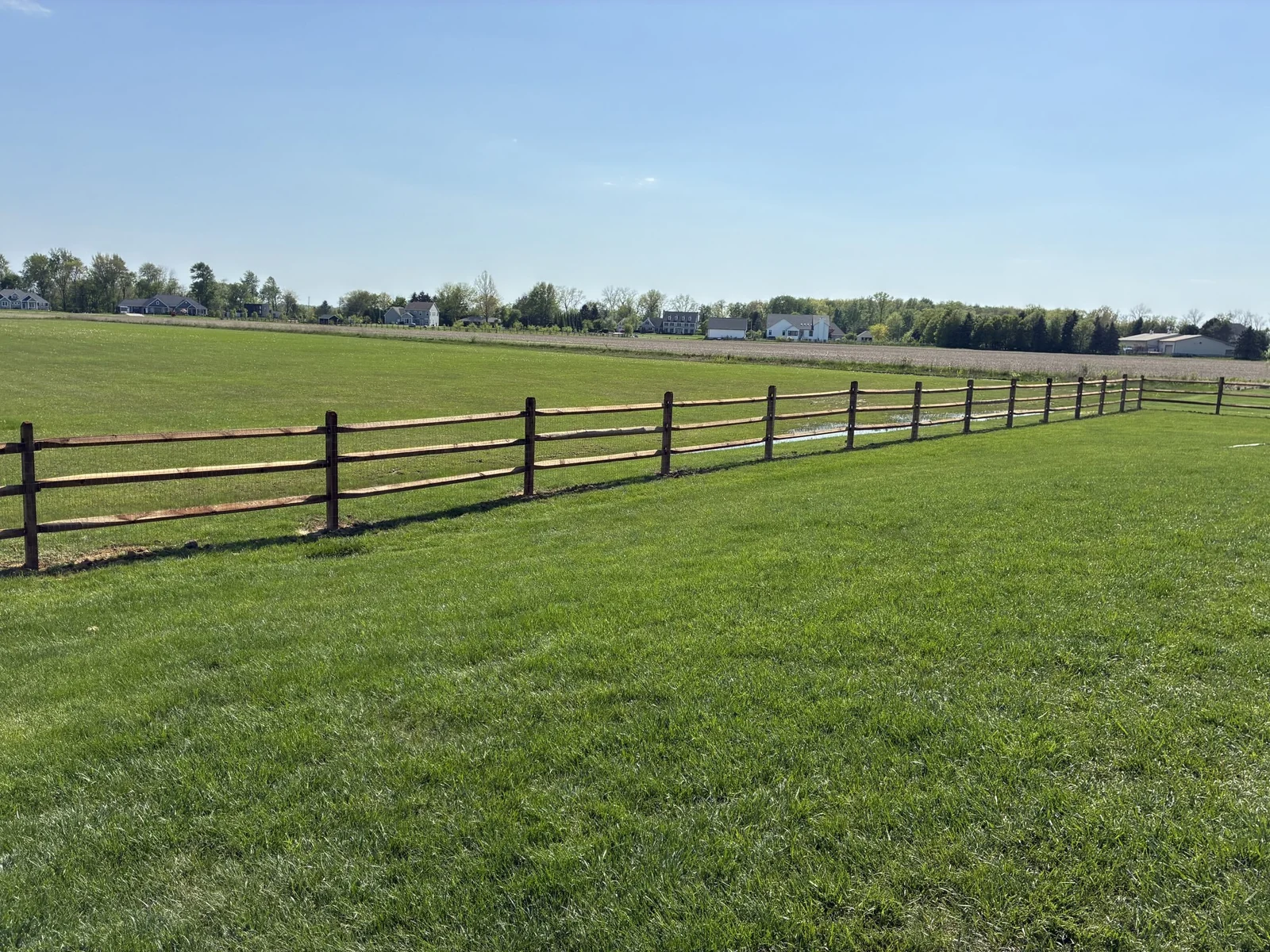
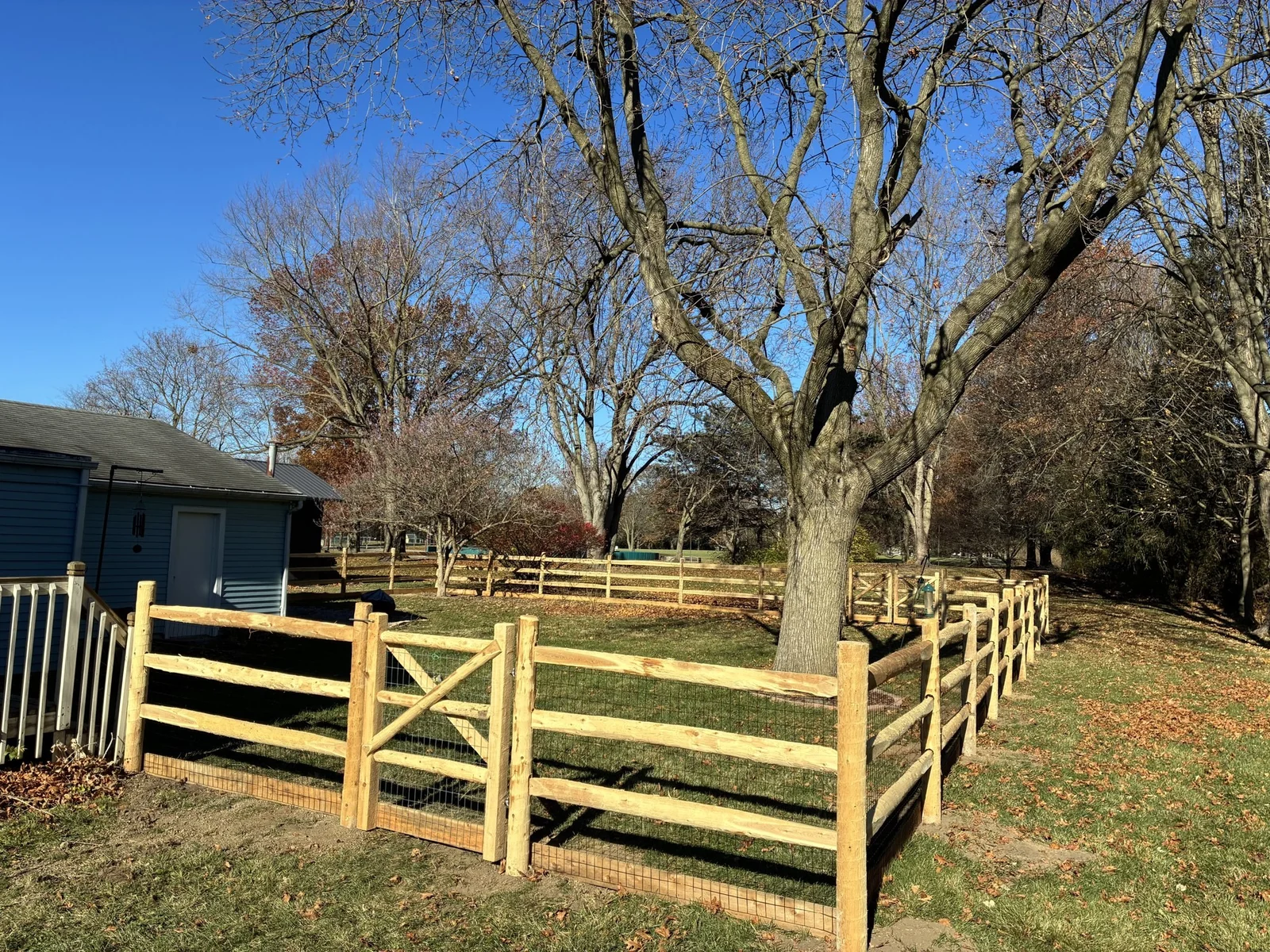
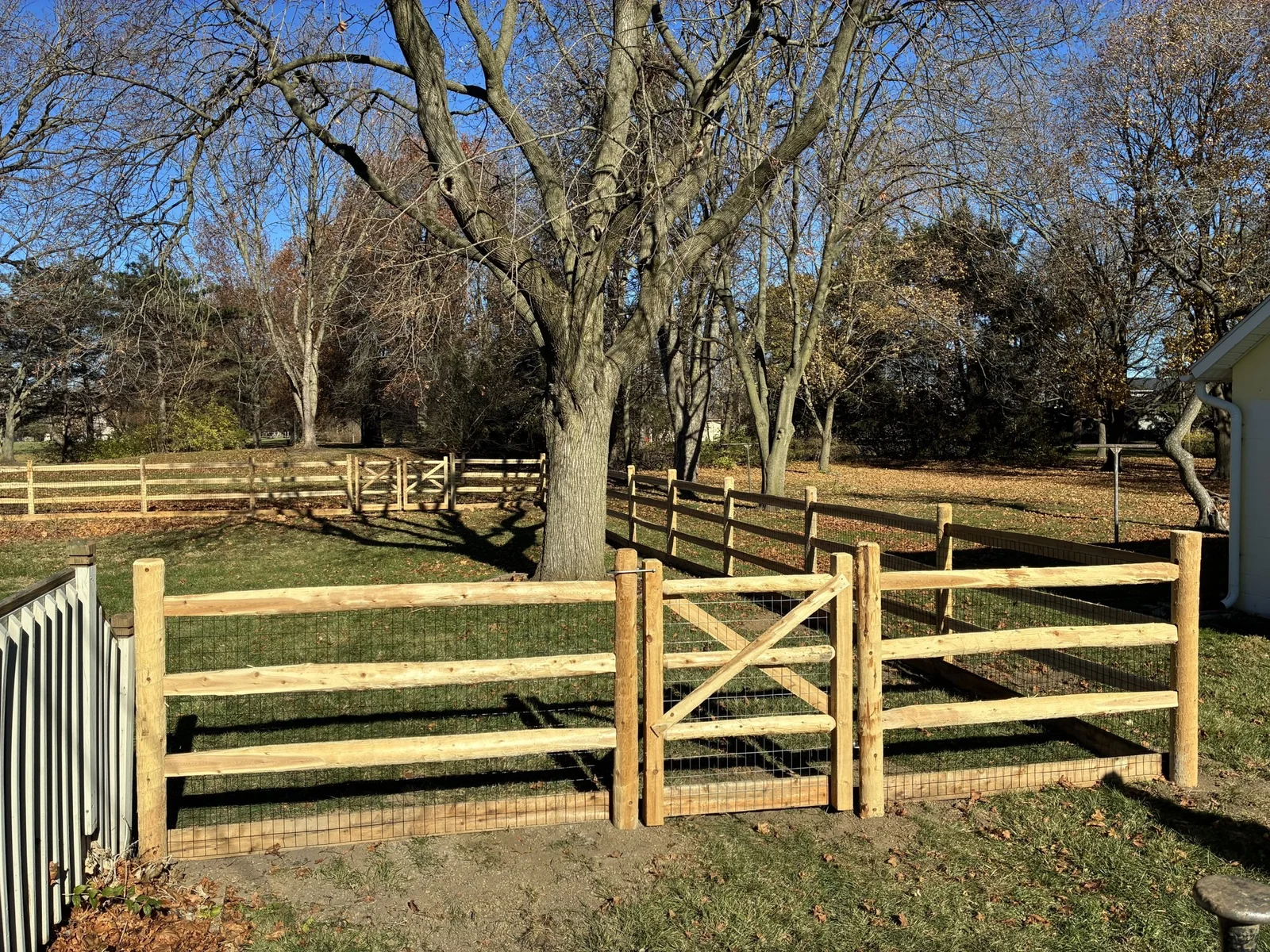
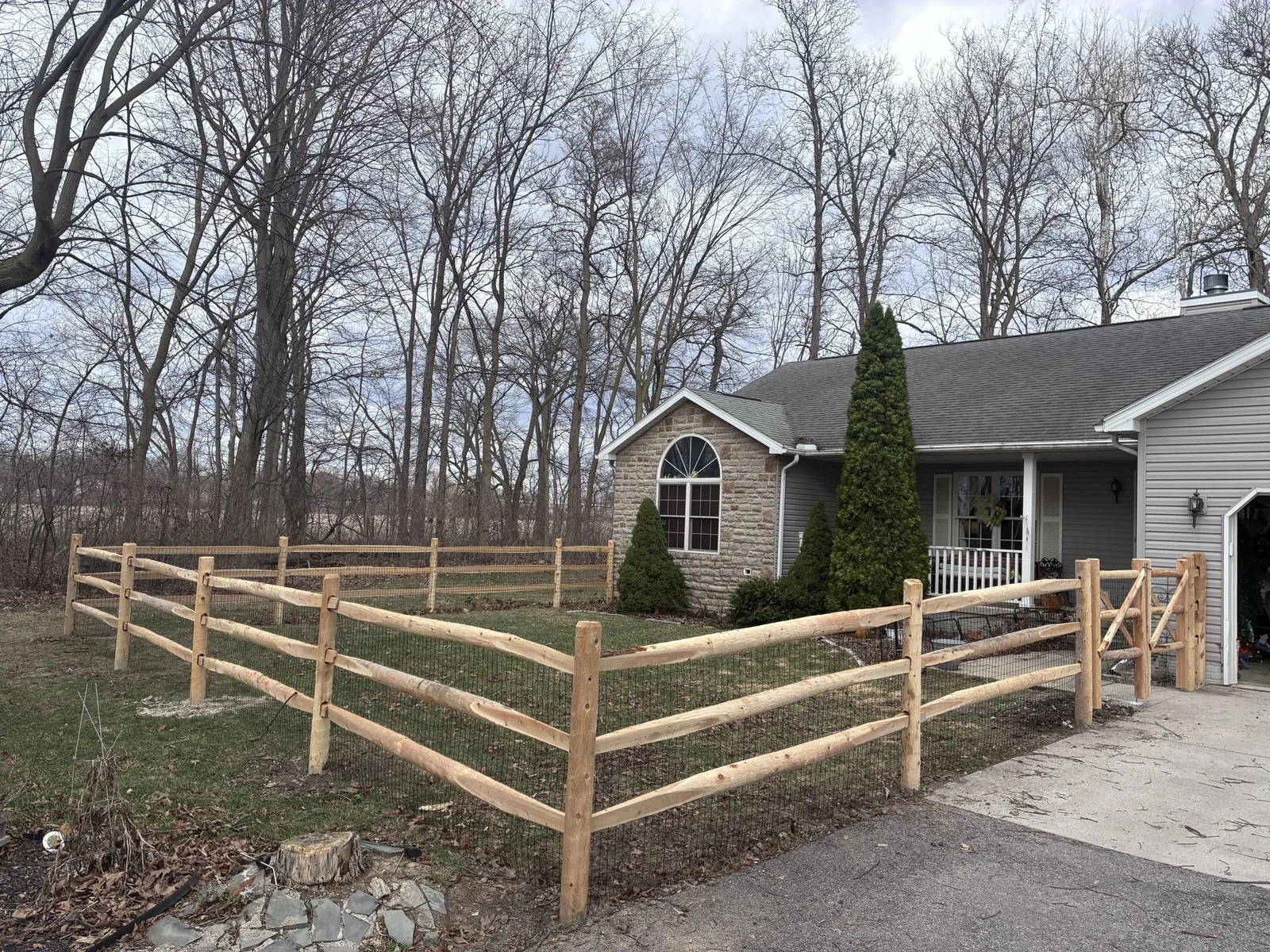
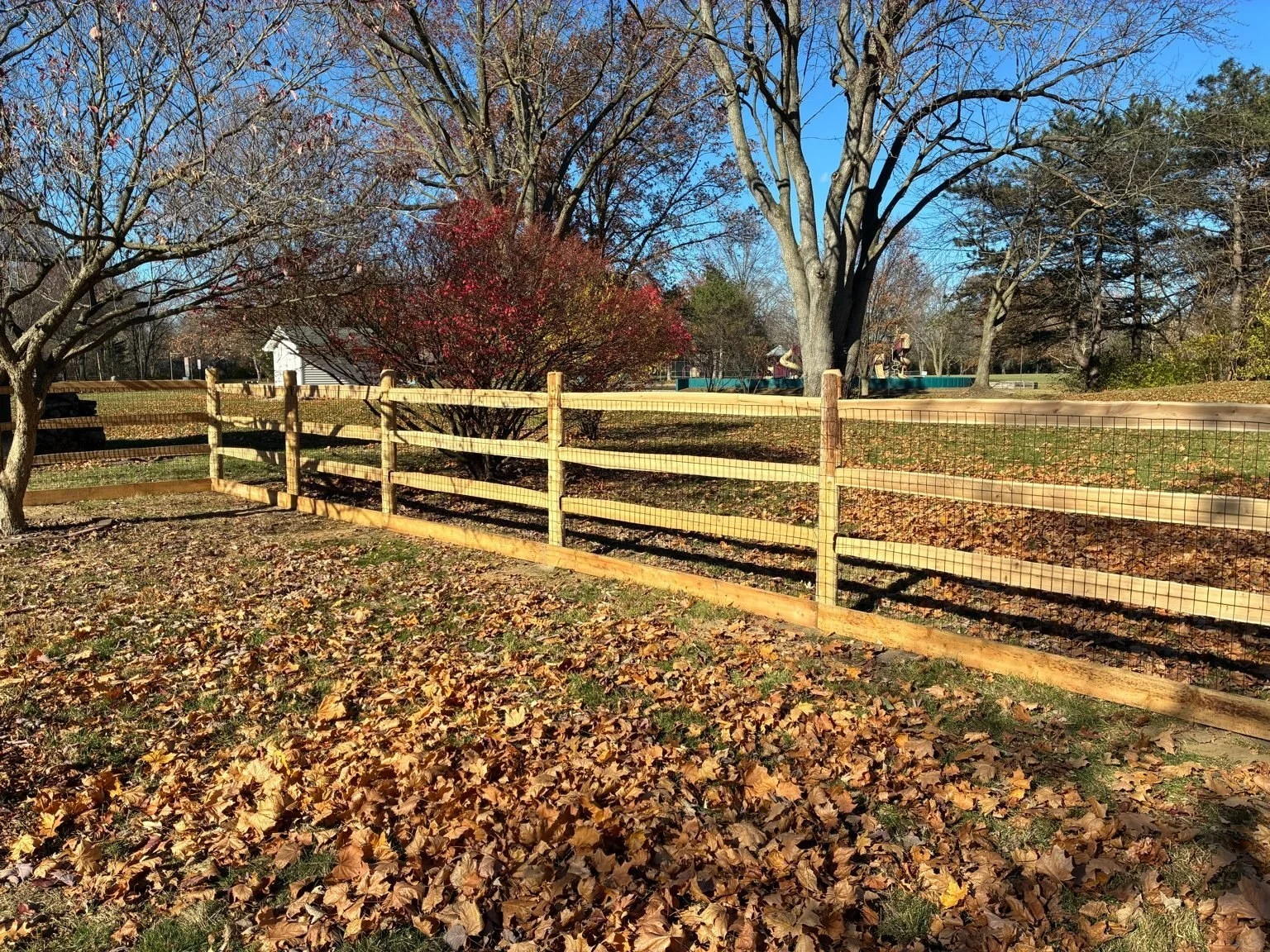
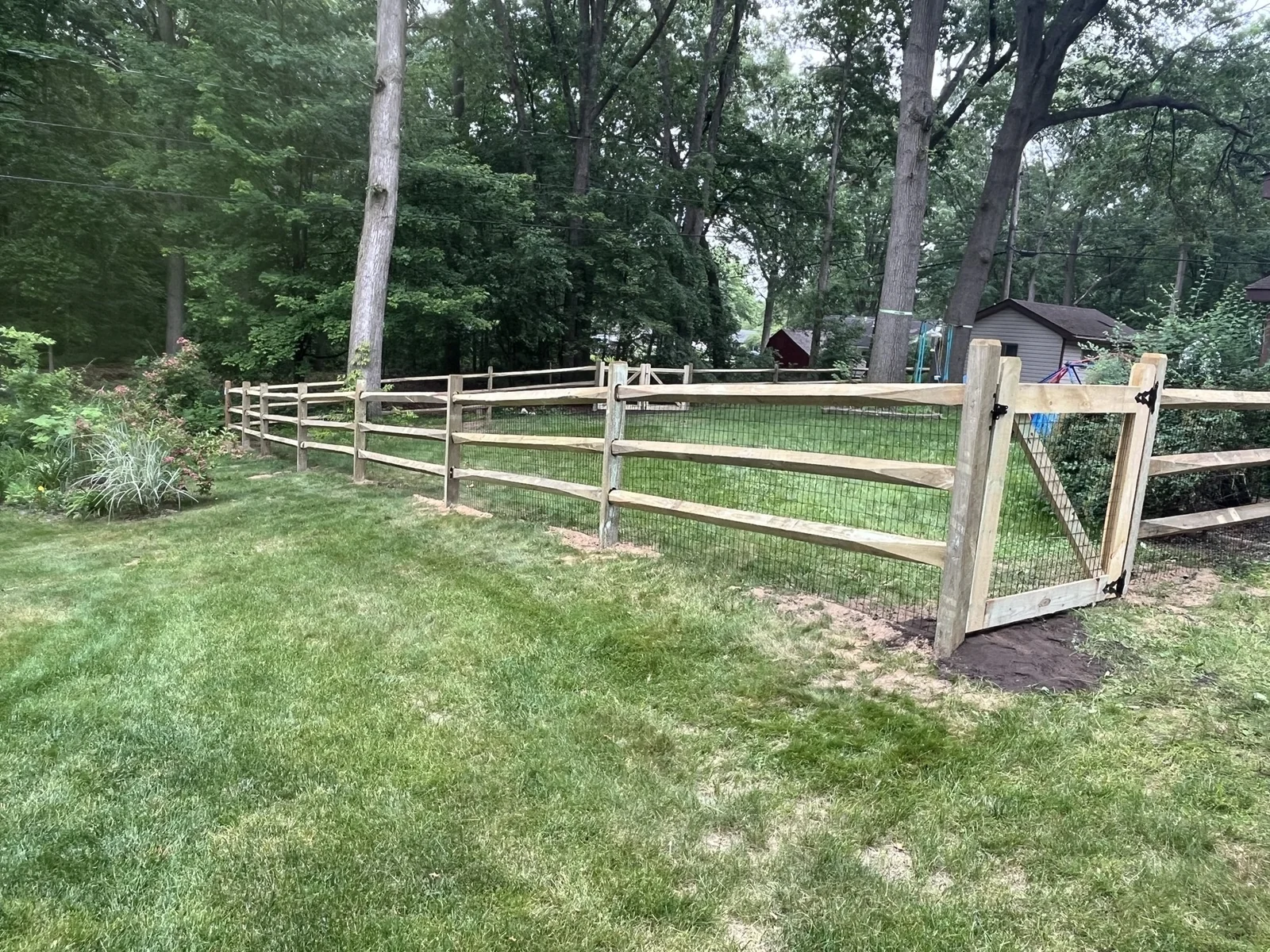
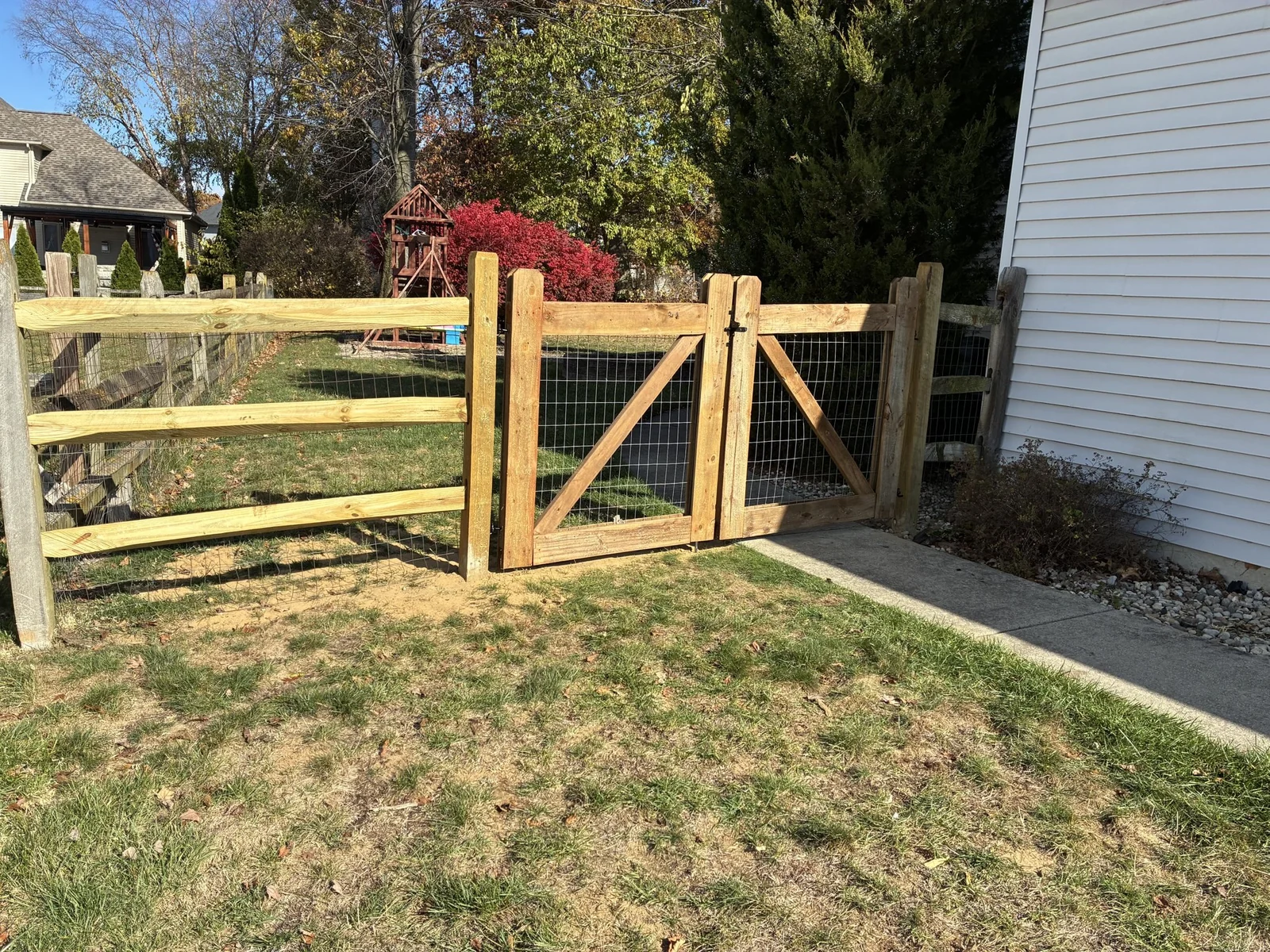
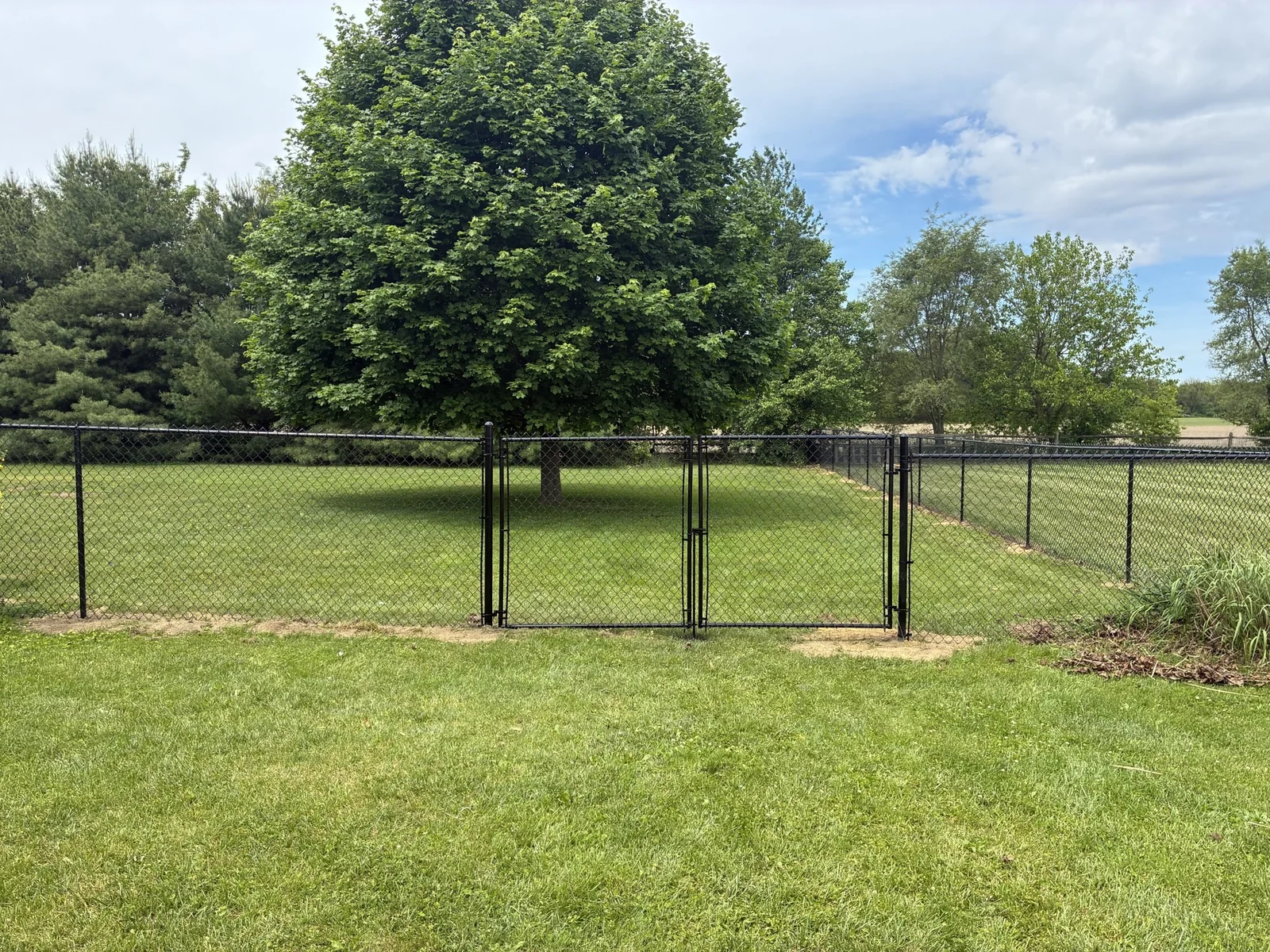
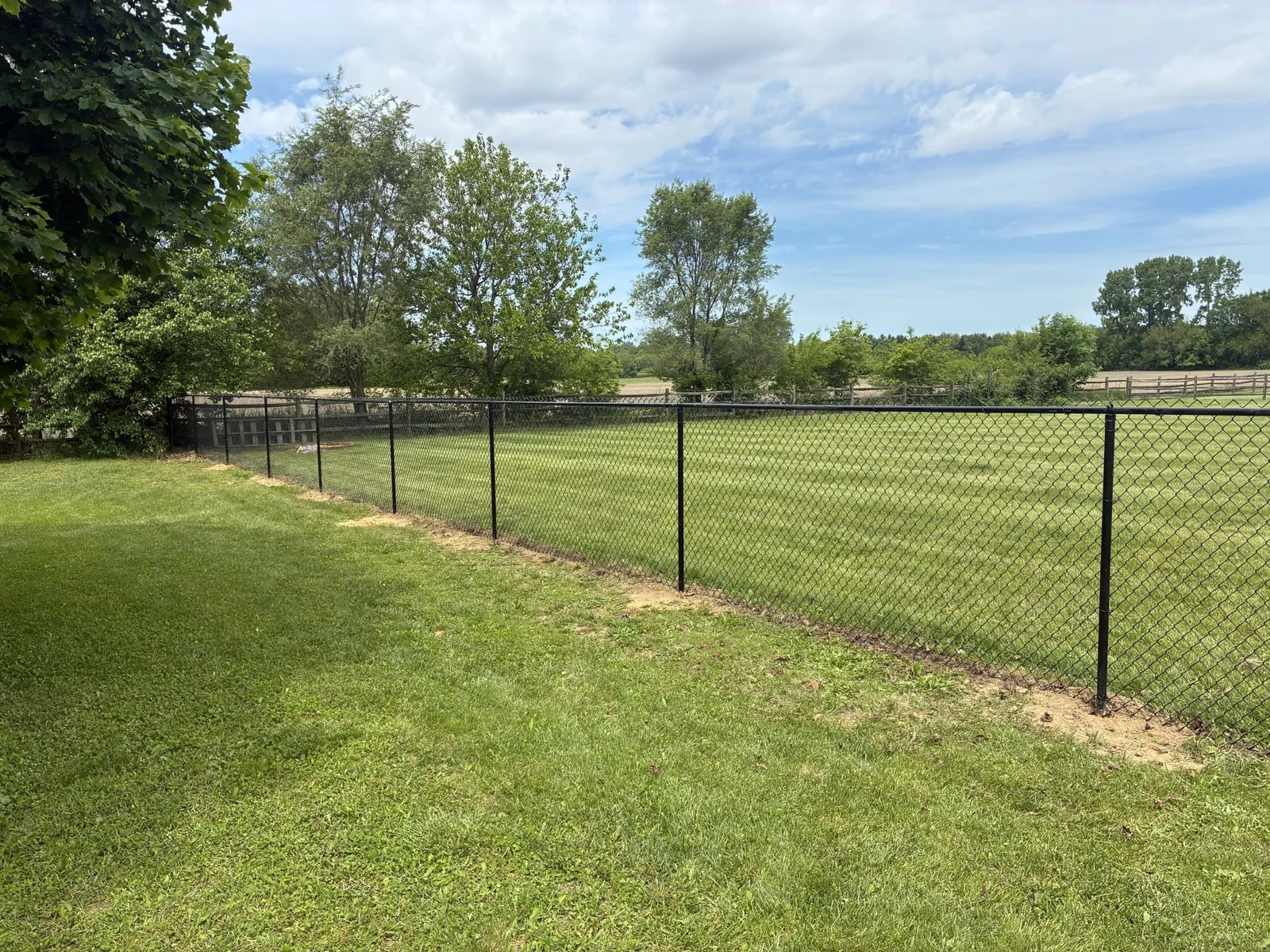
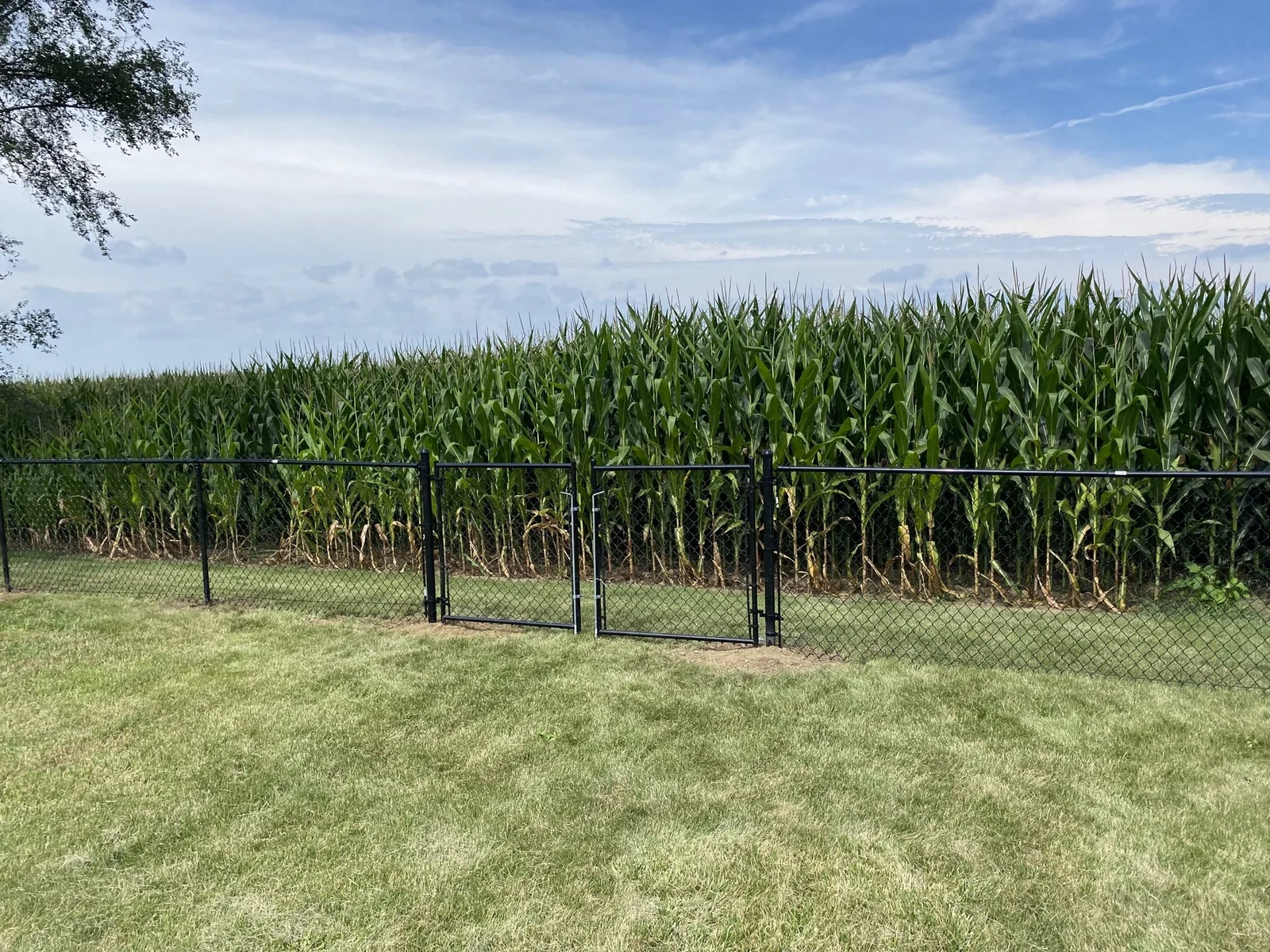
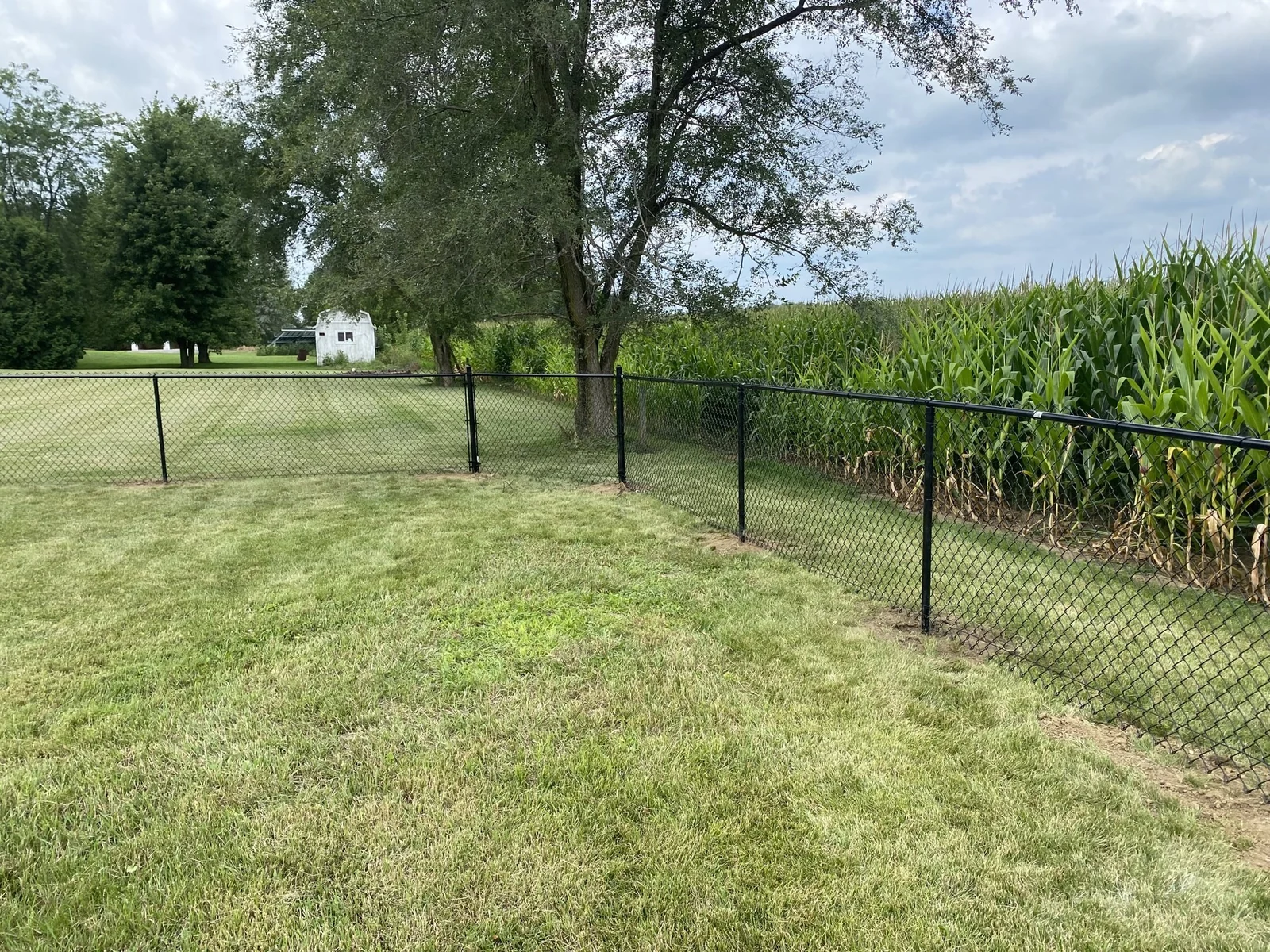
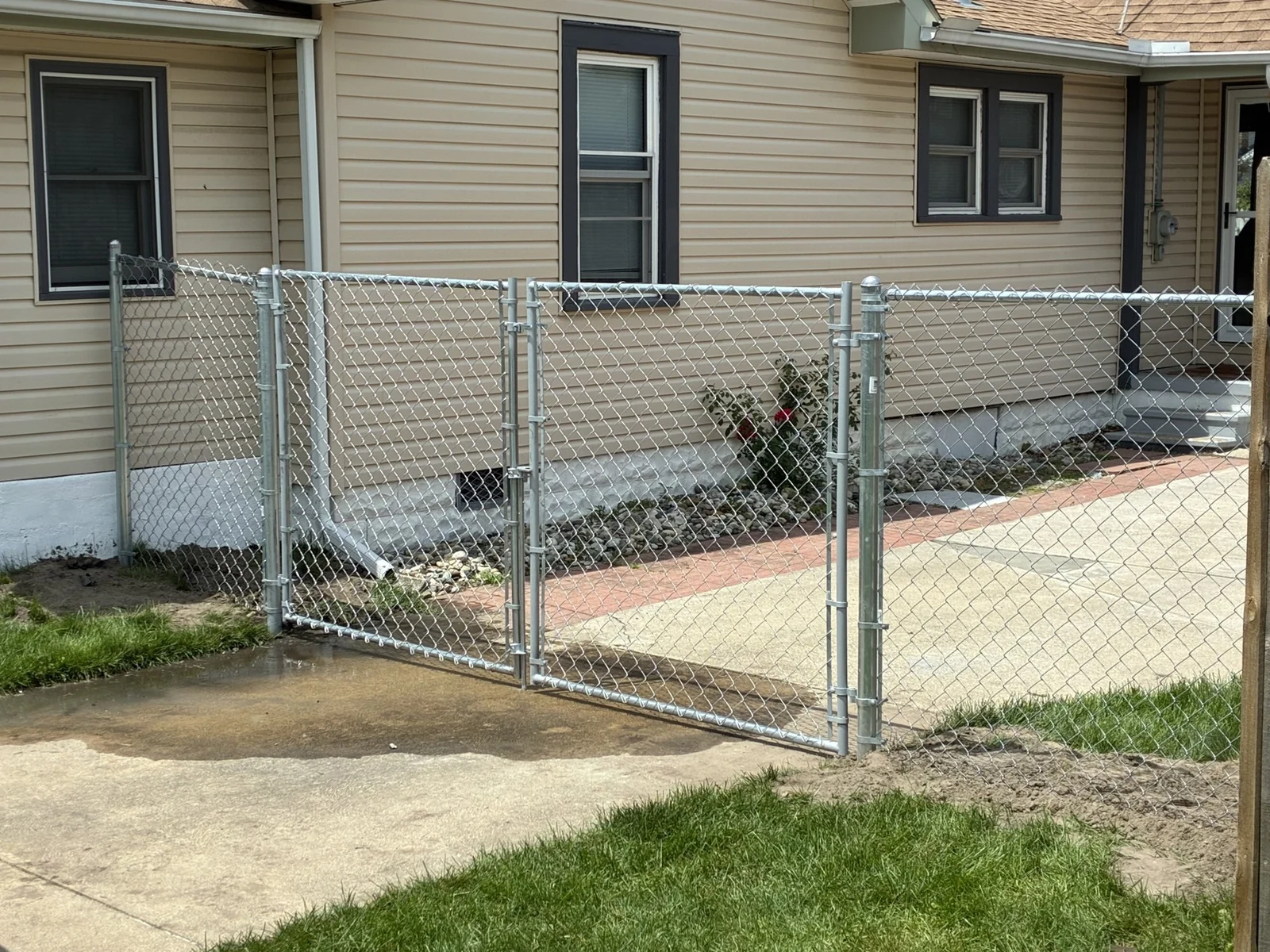
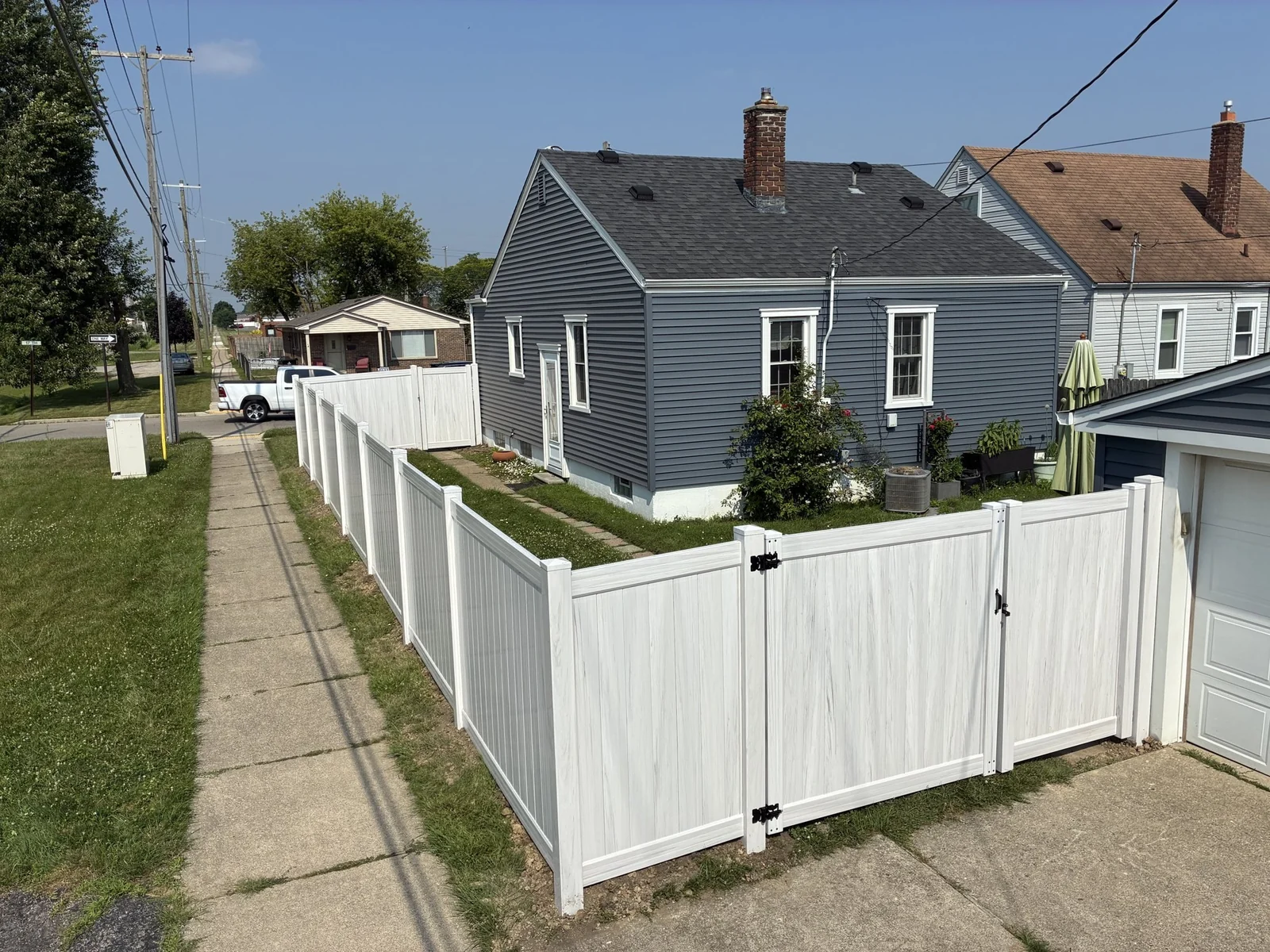
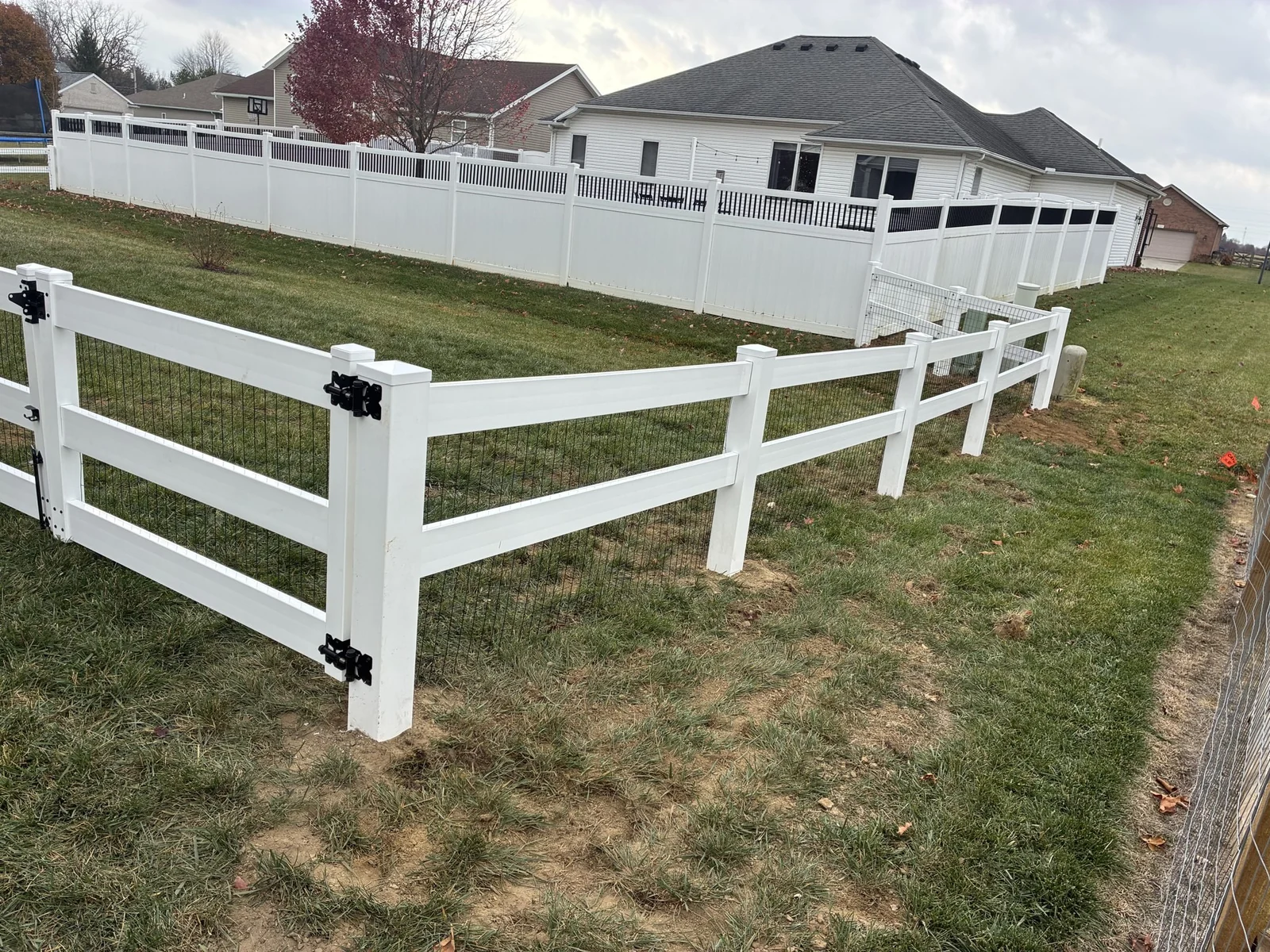
Dogs can climb, dig, chew or learn to open gates. Describe the actual behavior rather than choosing a fence solely from height or breed. That helps focus the plan on the way the animal interacts with the boundary.
A chair, storage box or doghouse beside the fence can make escape easier. Look at the usable yard layout as well as the fence itself, and keep climb-assisting objects away from the boundary.
Check panel openings, the space under the fence, hinge gaps and the meeting point of a double gate. A tight panel specification does not eliminate a larger opening elsewhere in the enclosure.
Ask about a suitable bottom detail and address why the dog is digging. Humane World for Animals recommends identifying escape incentives and seeking behavior help when needed. Any added ground barrier should be specified for the site and animal.
Identify the gate used by children, visitors and lawn services. Discuss a separate everyday entry from a large equipment opening if that fits the yard. Agree on a household routine for checking that the gate is actually secured.
A ballpark is a planning range. The final quote depends on measurements, gates, removal, site conditions and the written installation scope.
Consider both. The current size matters for gaps it could pass through now, while adult size and behavior matter for the future. A height choice alone does not answer those two questions.
It does not address the path beneath the fence. Review the bottom detail and the reason for digging, then discuss an appropriate physical and behavioral plan. Supervise the dog while an escape issue is being resolved.
No. A fence is one part of managing the yard. Check gate operation and new gaps, remove nearby launch points and pay attention to the dog's behavior. No fence design makes every pet unable to escape.
These references explain material behavior and planning considerations. Product examples do not identify the brand in our photos or promise a particular specification. Your proposal and applicable local requirements determine the project details.
Review the proposed fence line and gates with our team, then use your project portal to keep the saved plan, project details and communication together. Site-plan property-line references help with planning; they do not replace a boundary survey.
A yard for the dog
“Our fence looks amazing and the escape artist puppy is now contained!”