A replacement decision starts with what has failed and what still works. Separate cosmetic wear, damaged components and support problems, then compare a repair scope with a new fence that improves the layout where needed.
Explore finished fence designs and gate details to consider for your replacement project.
All fence installation photos in this collection show our own work.
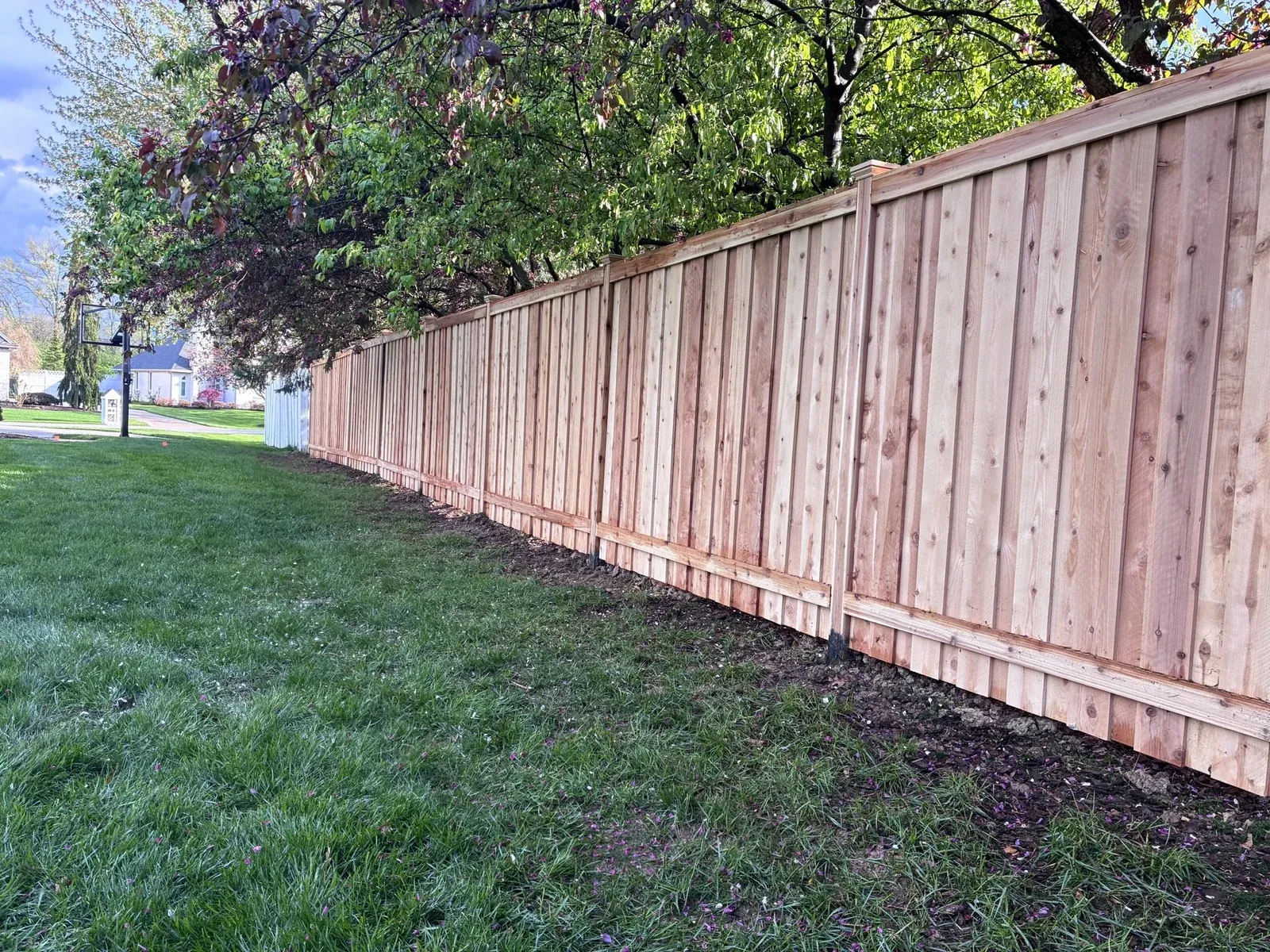
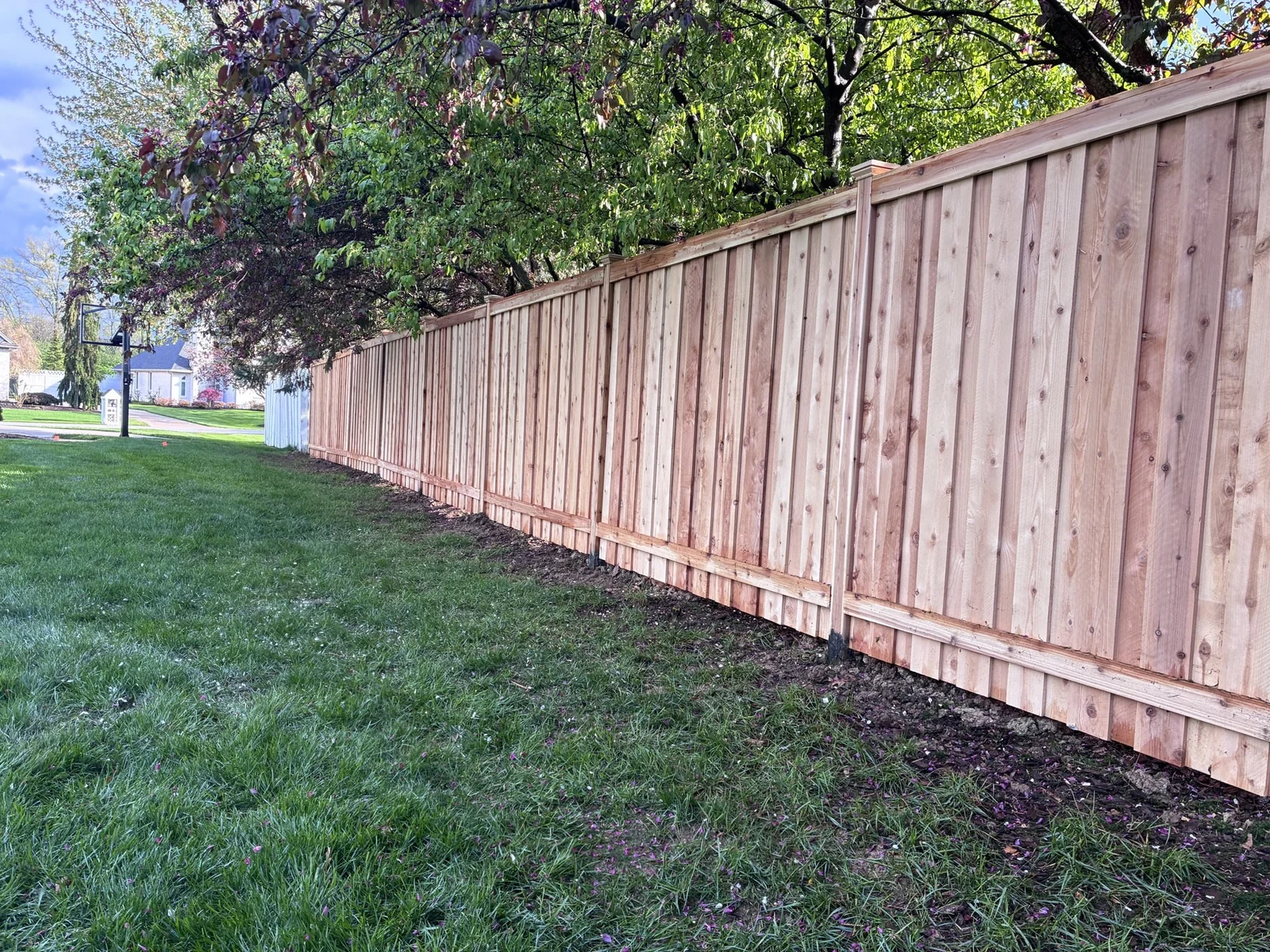
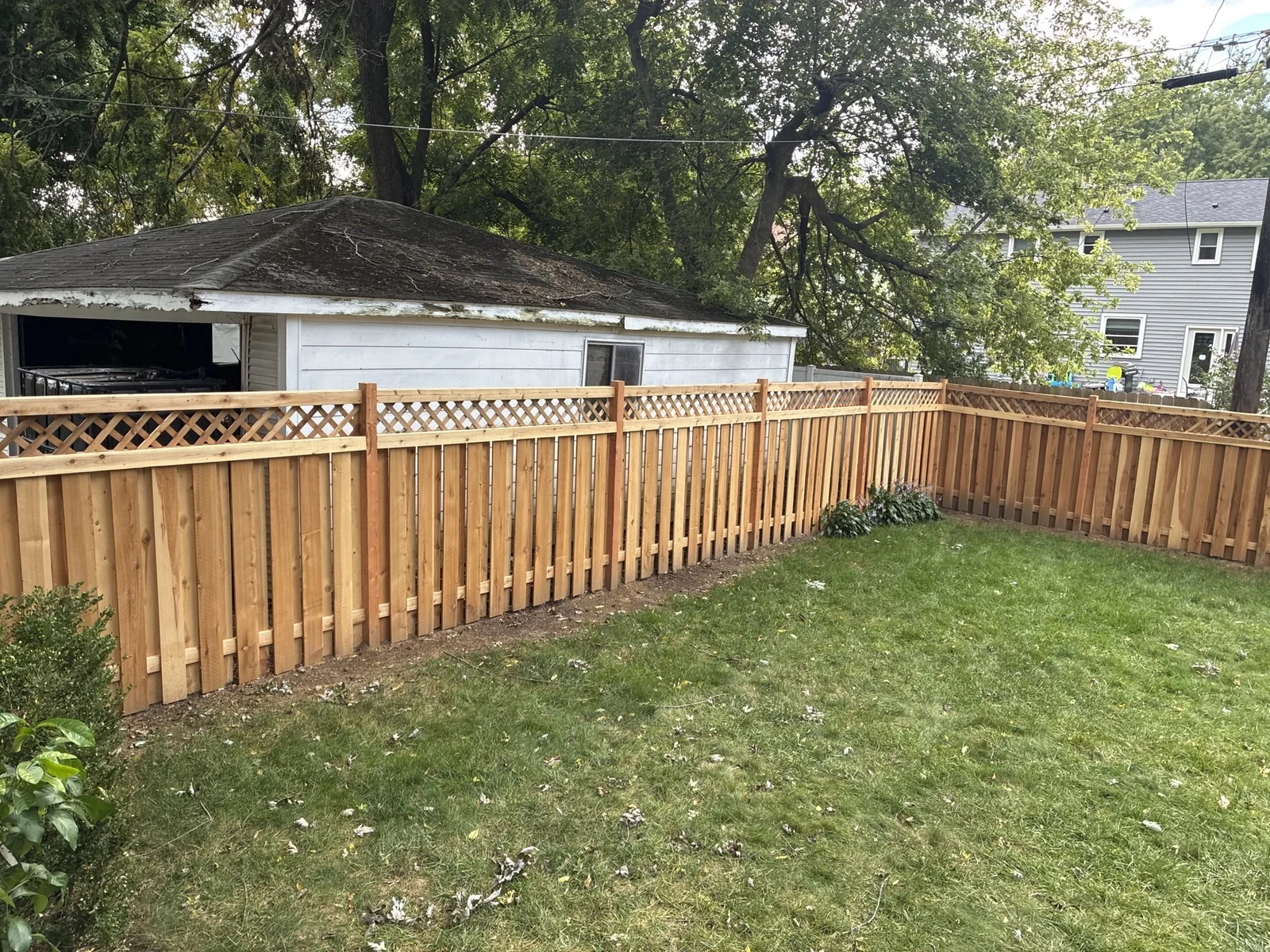
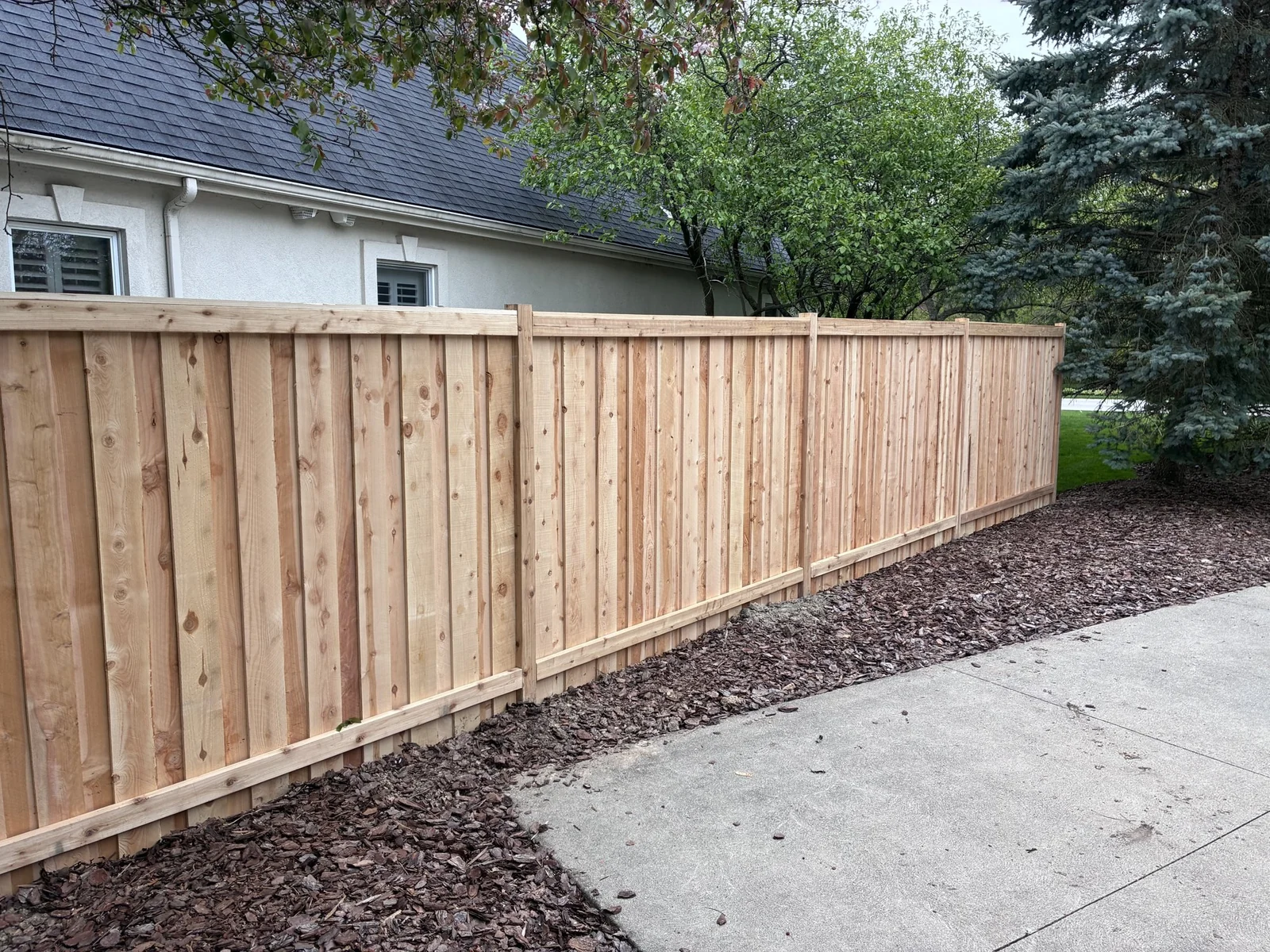
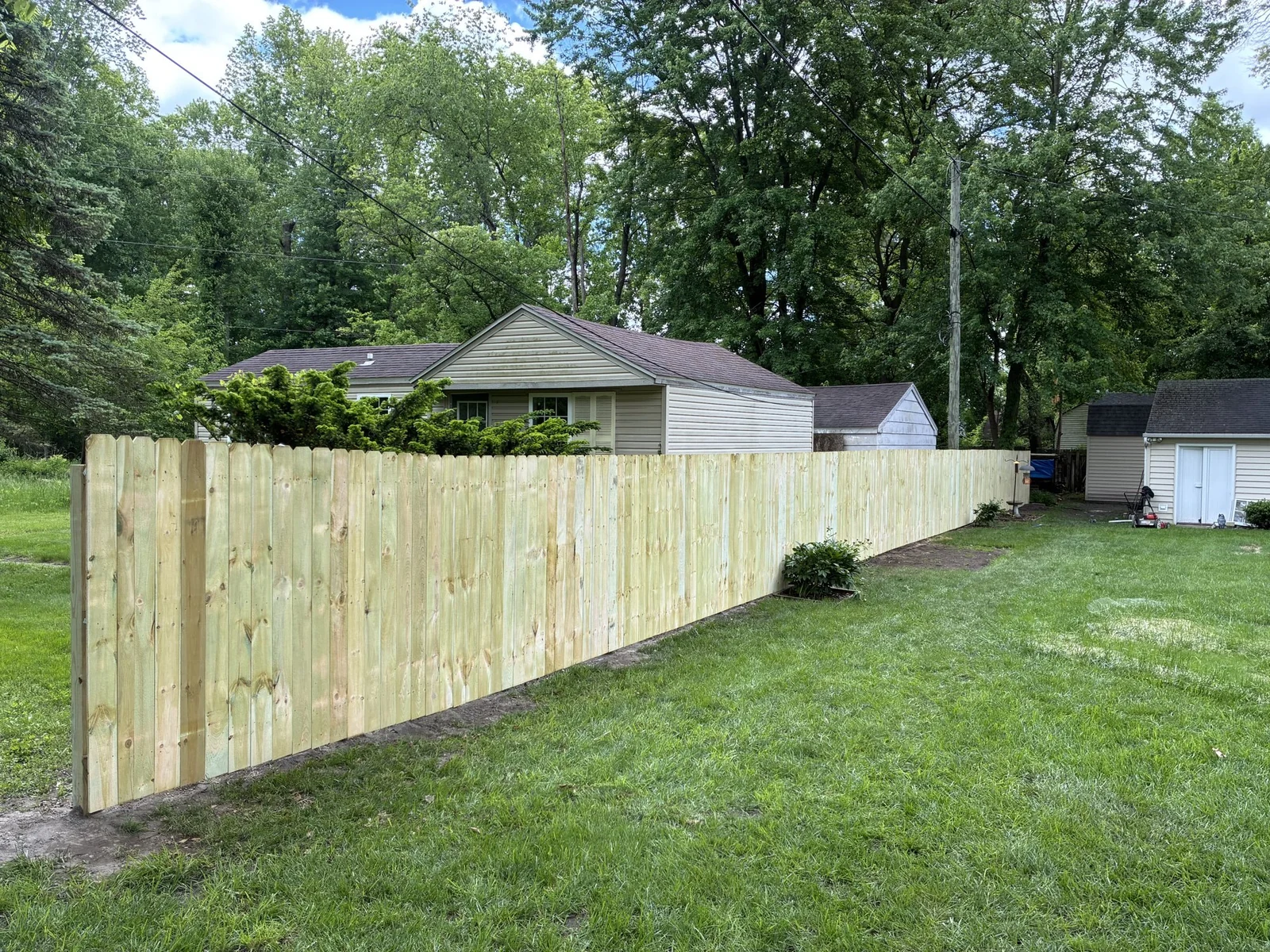
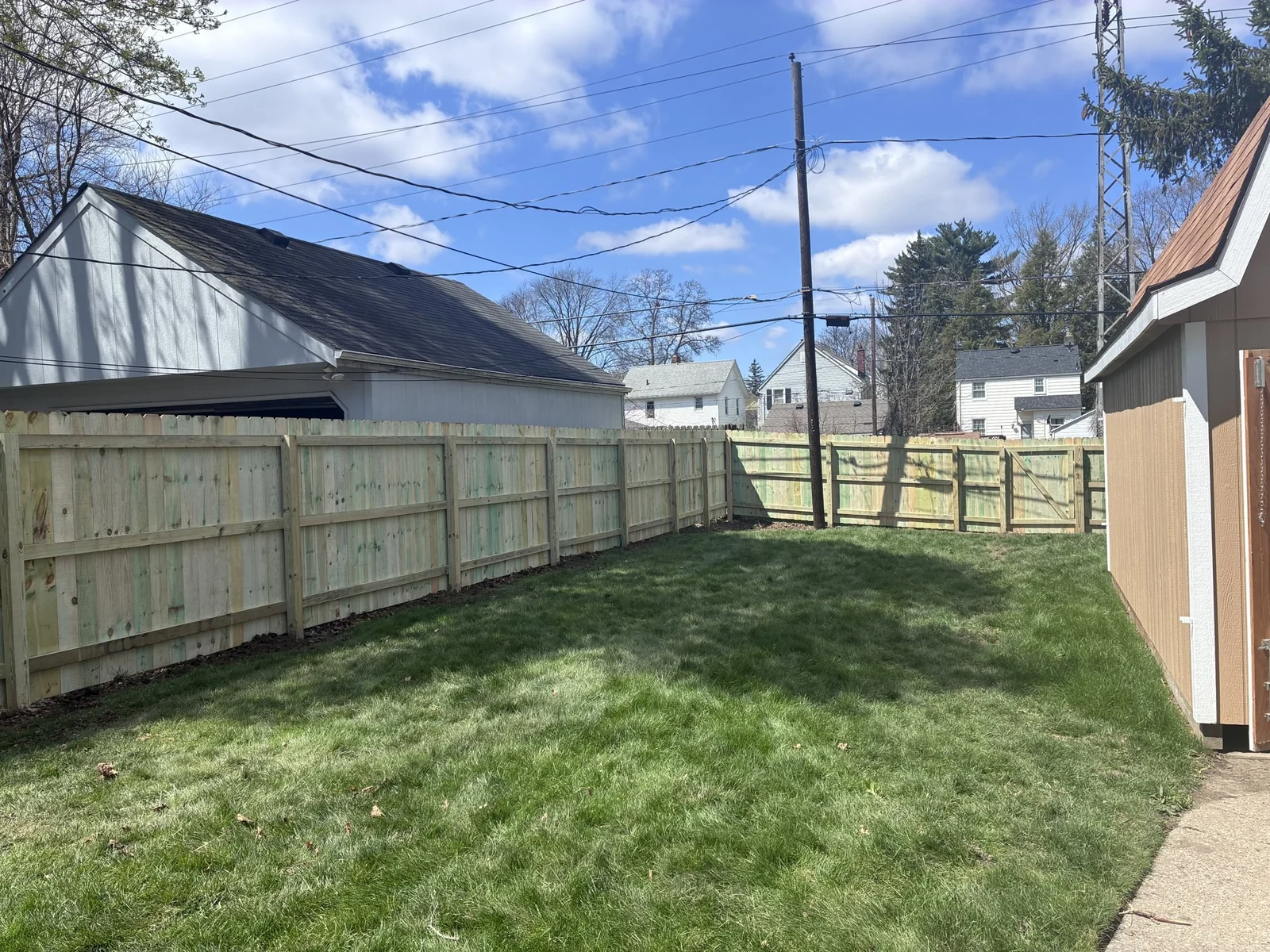
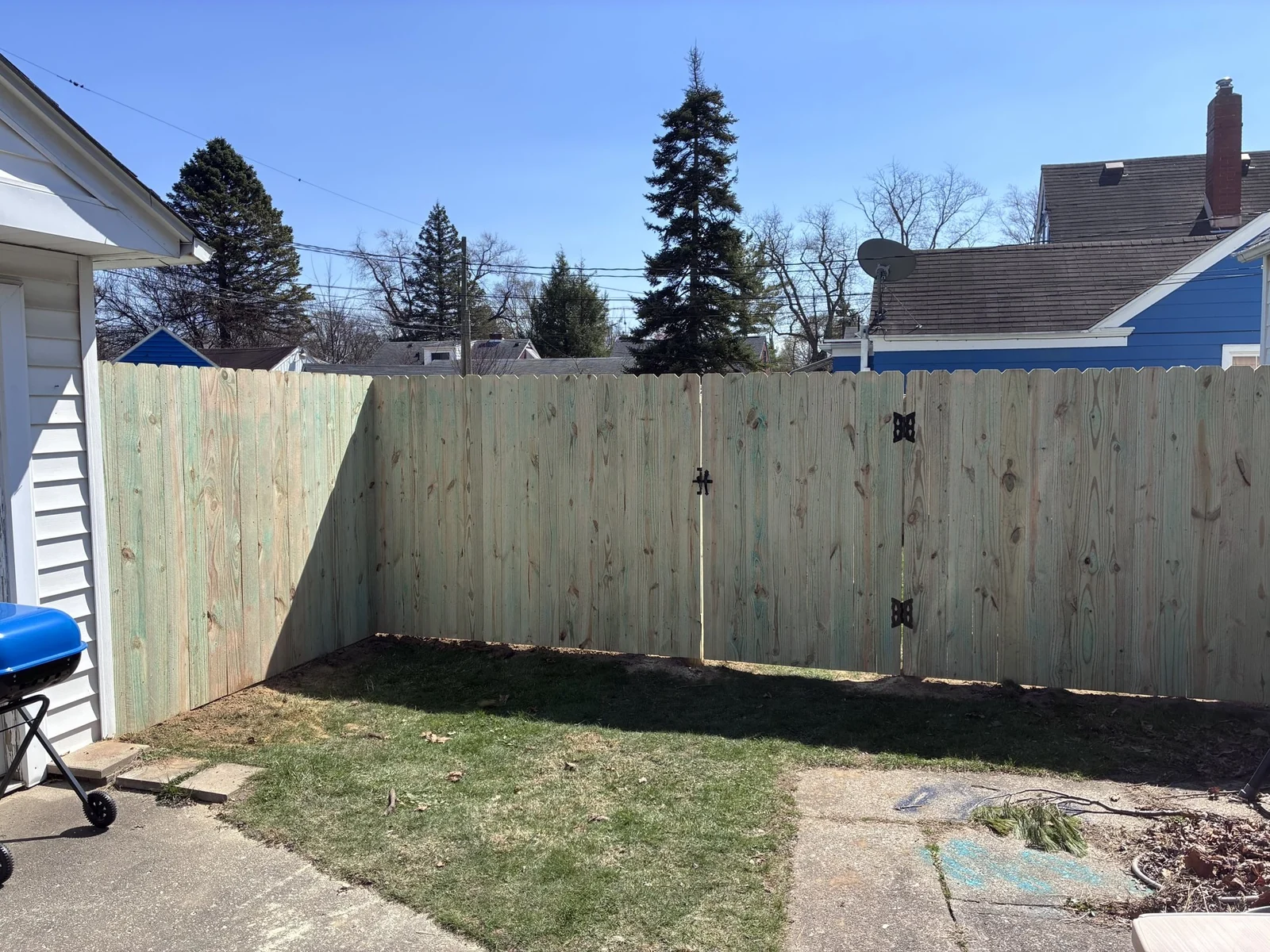
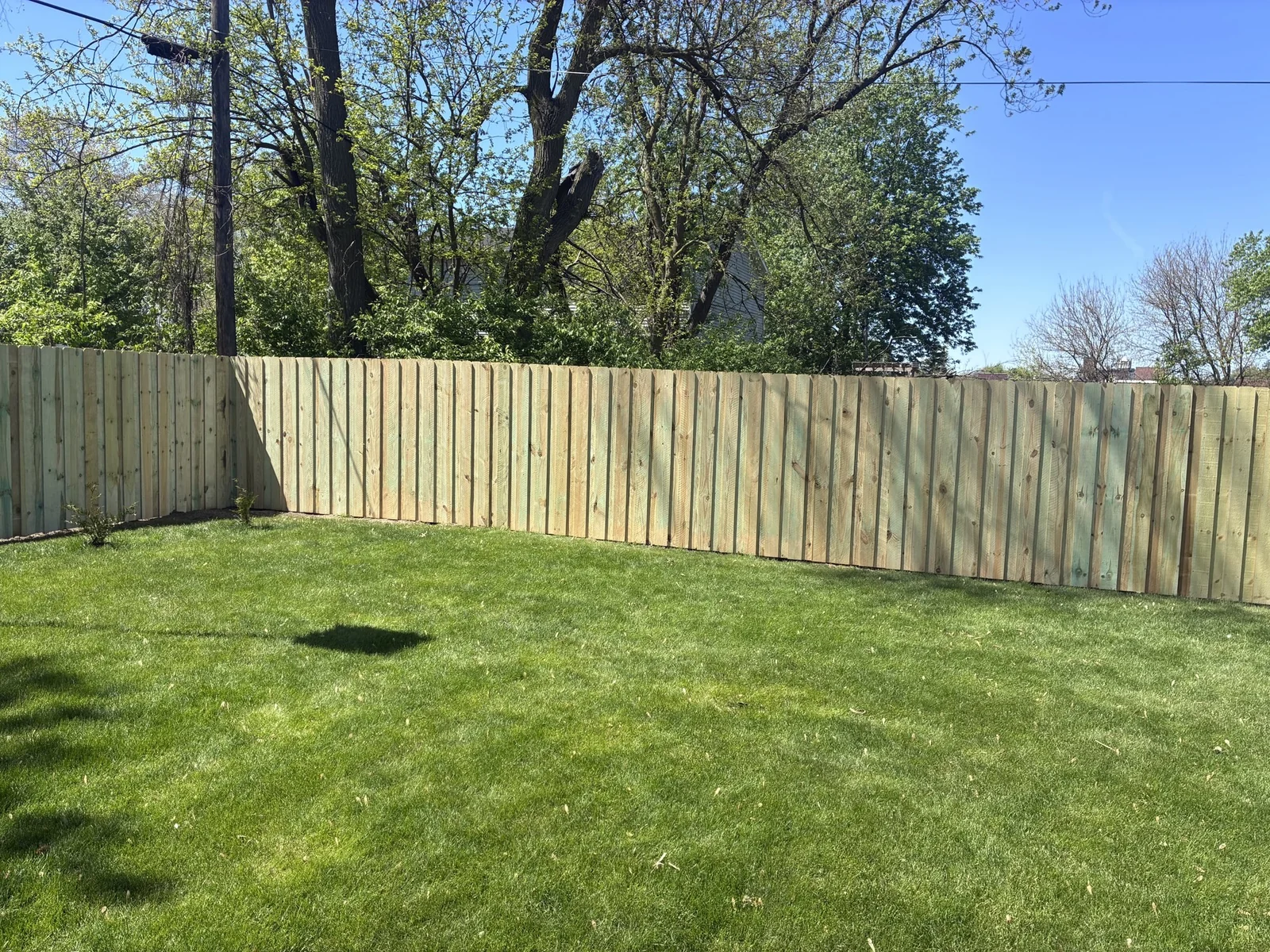
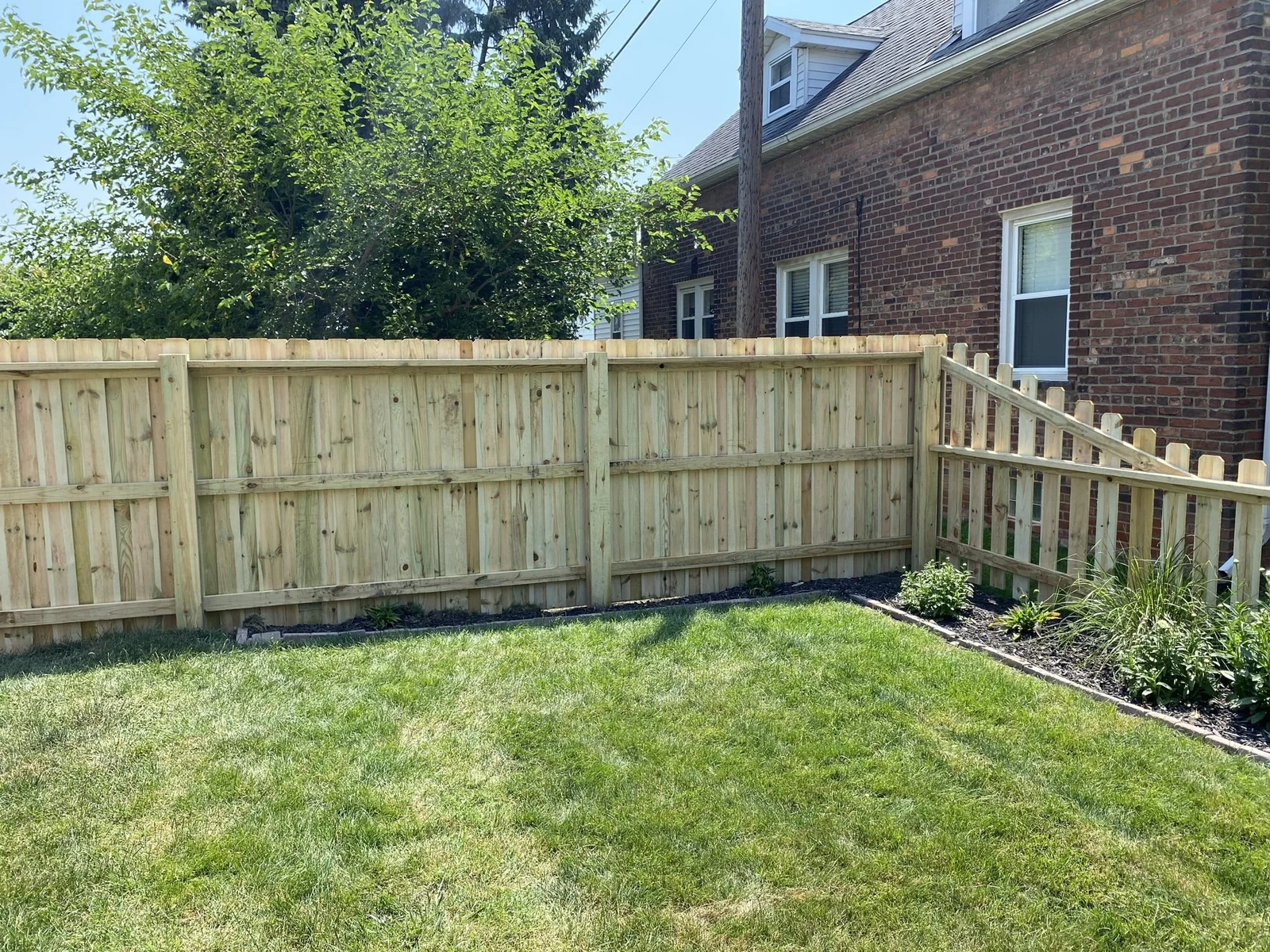
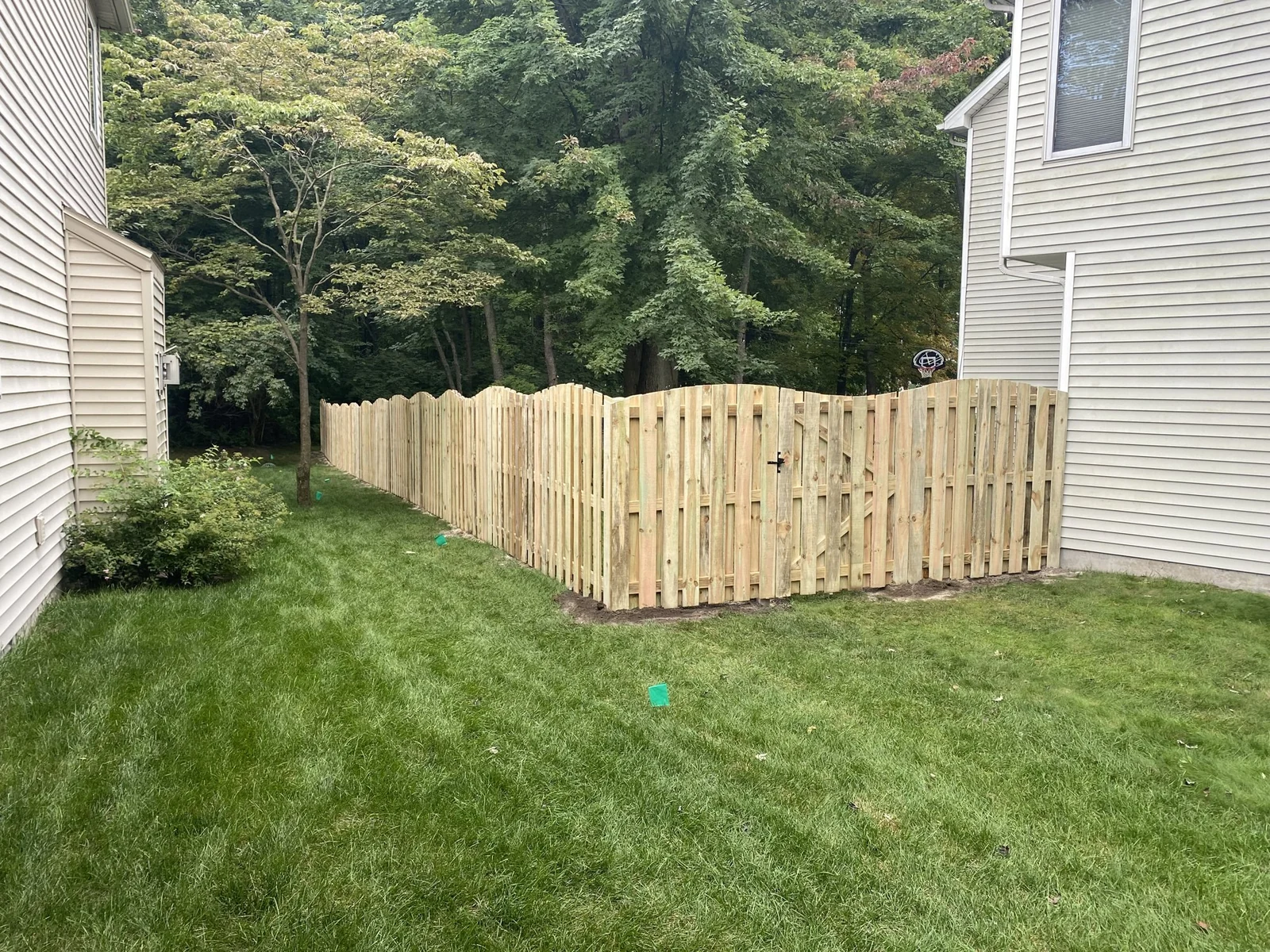
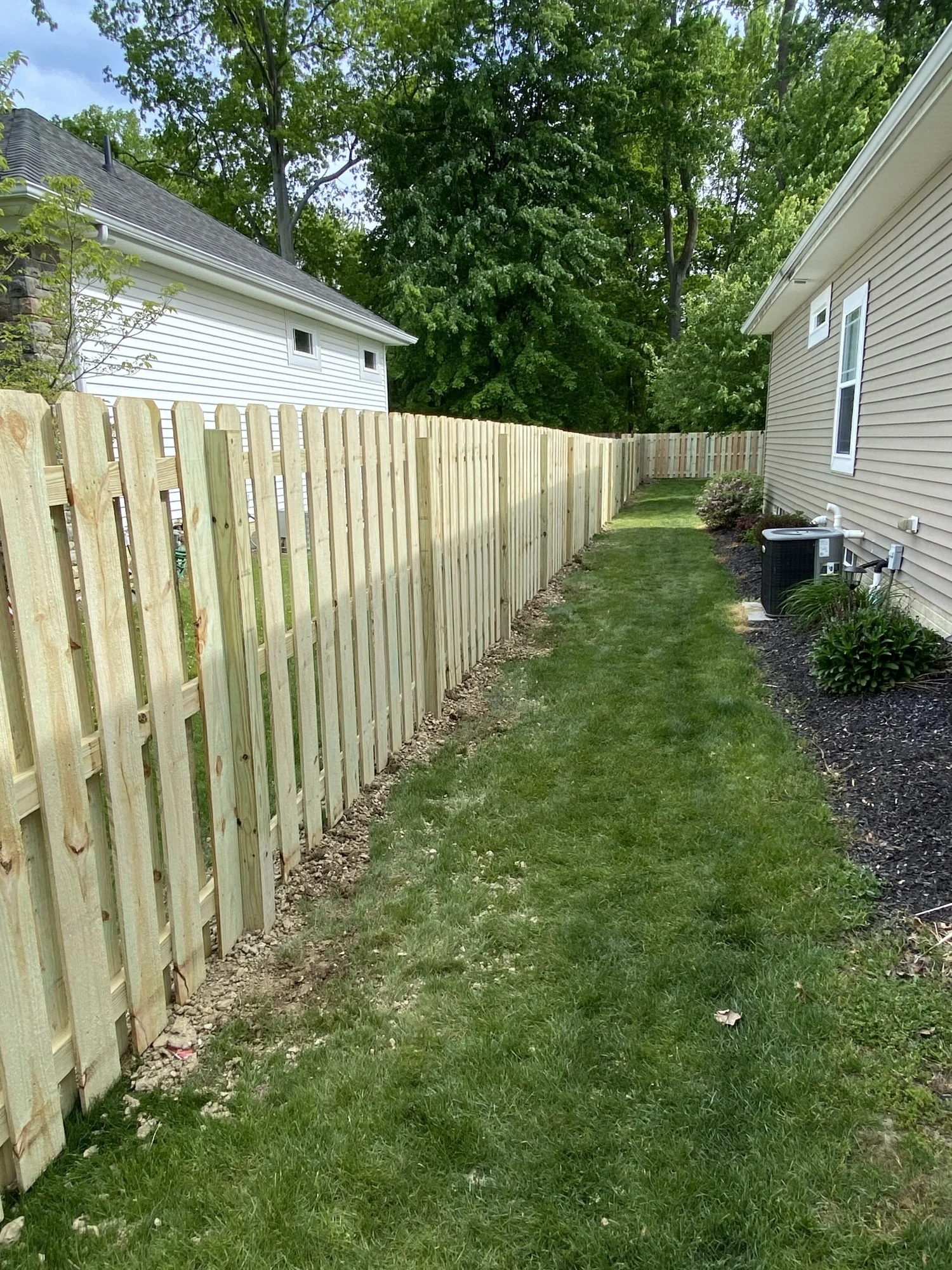
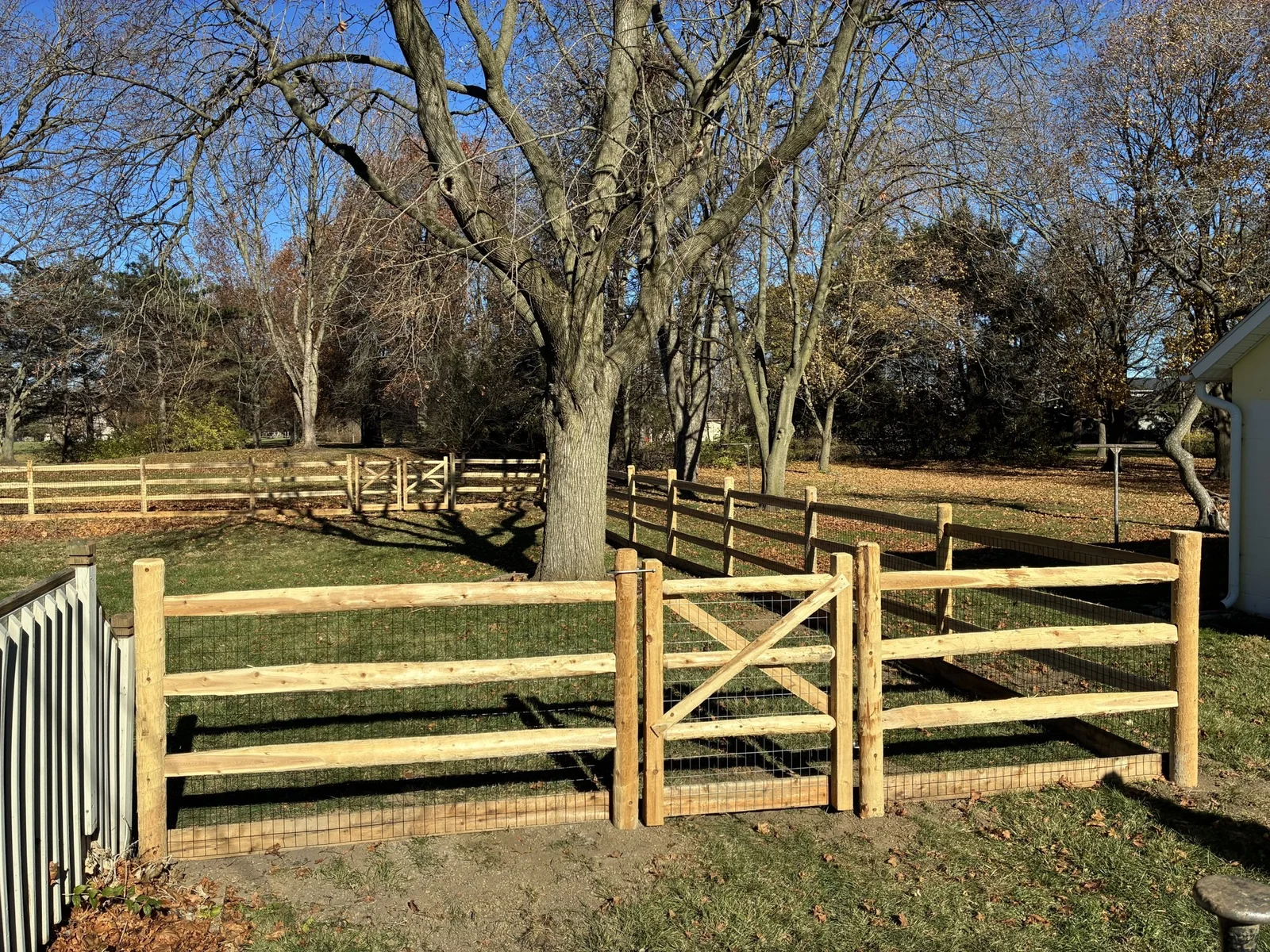
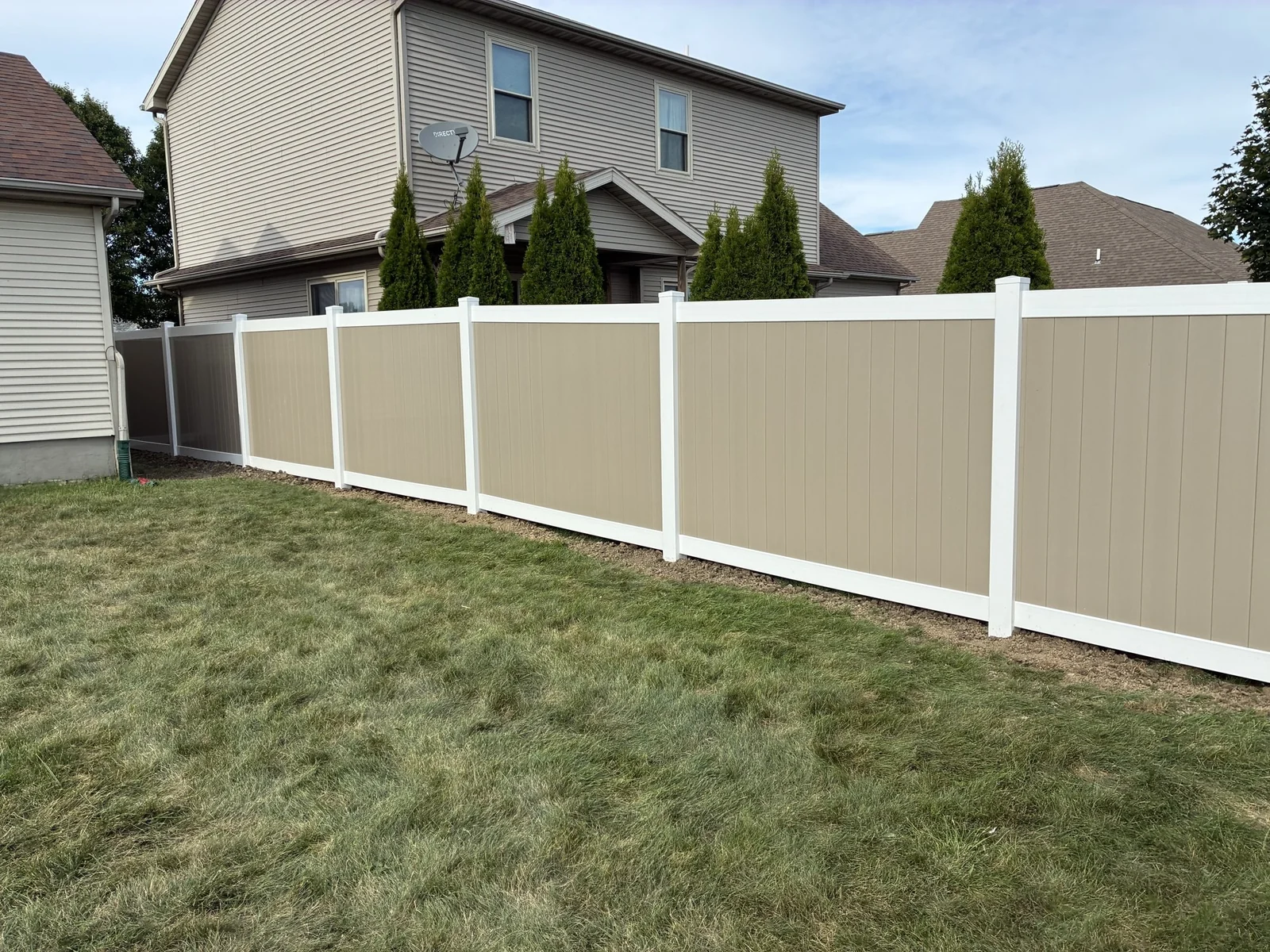
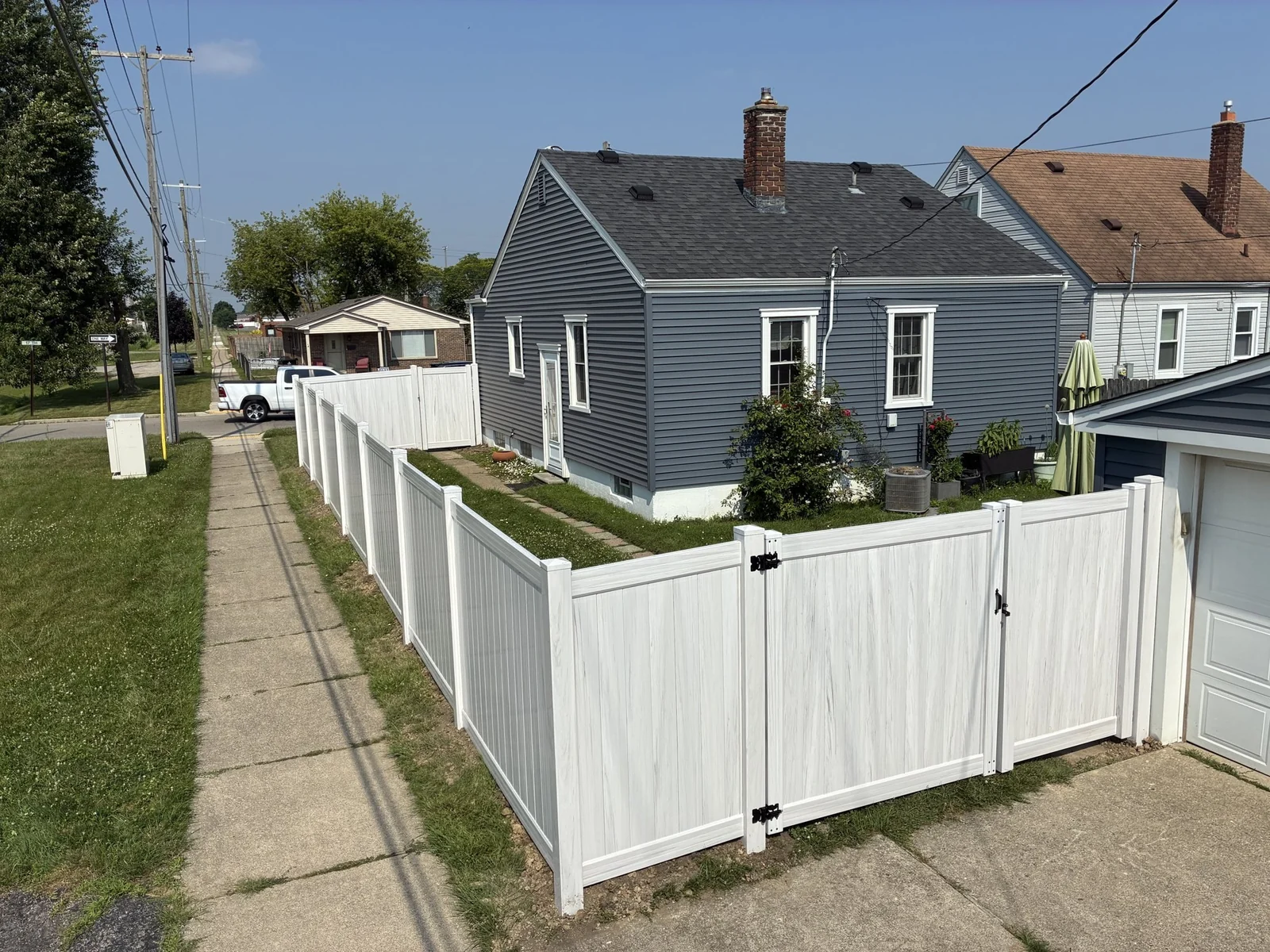
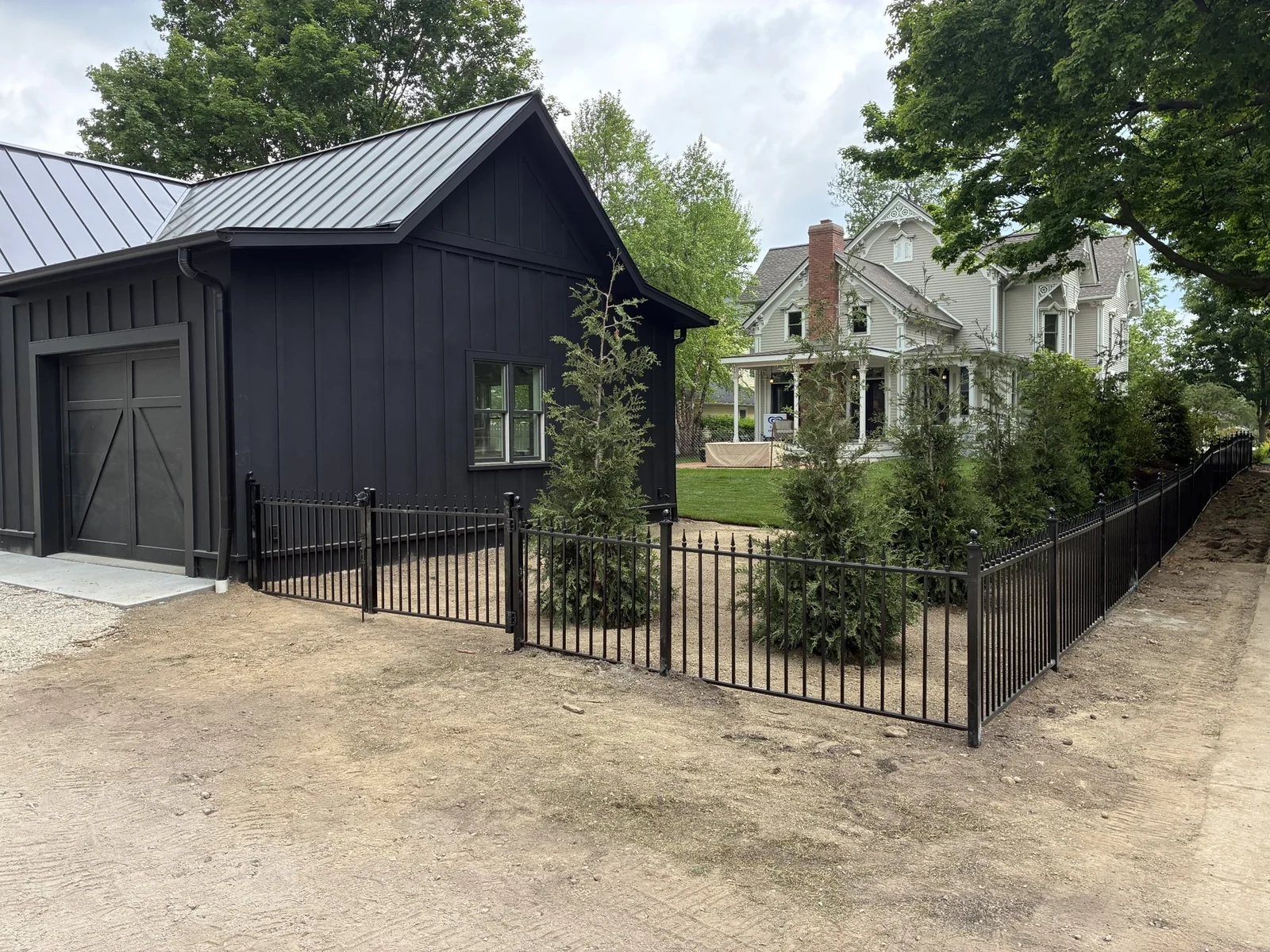
These photographs show GFS fence installations and finished-style options. They are not before-and-after comparisons and do not establish removal or replacement history.
18 project photographs. Select a photo to explore the details.
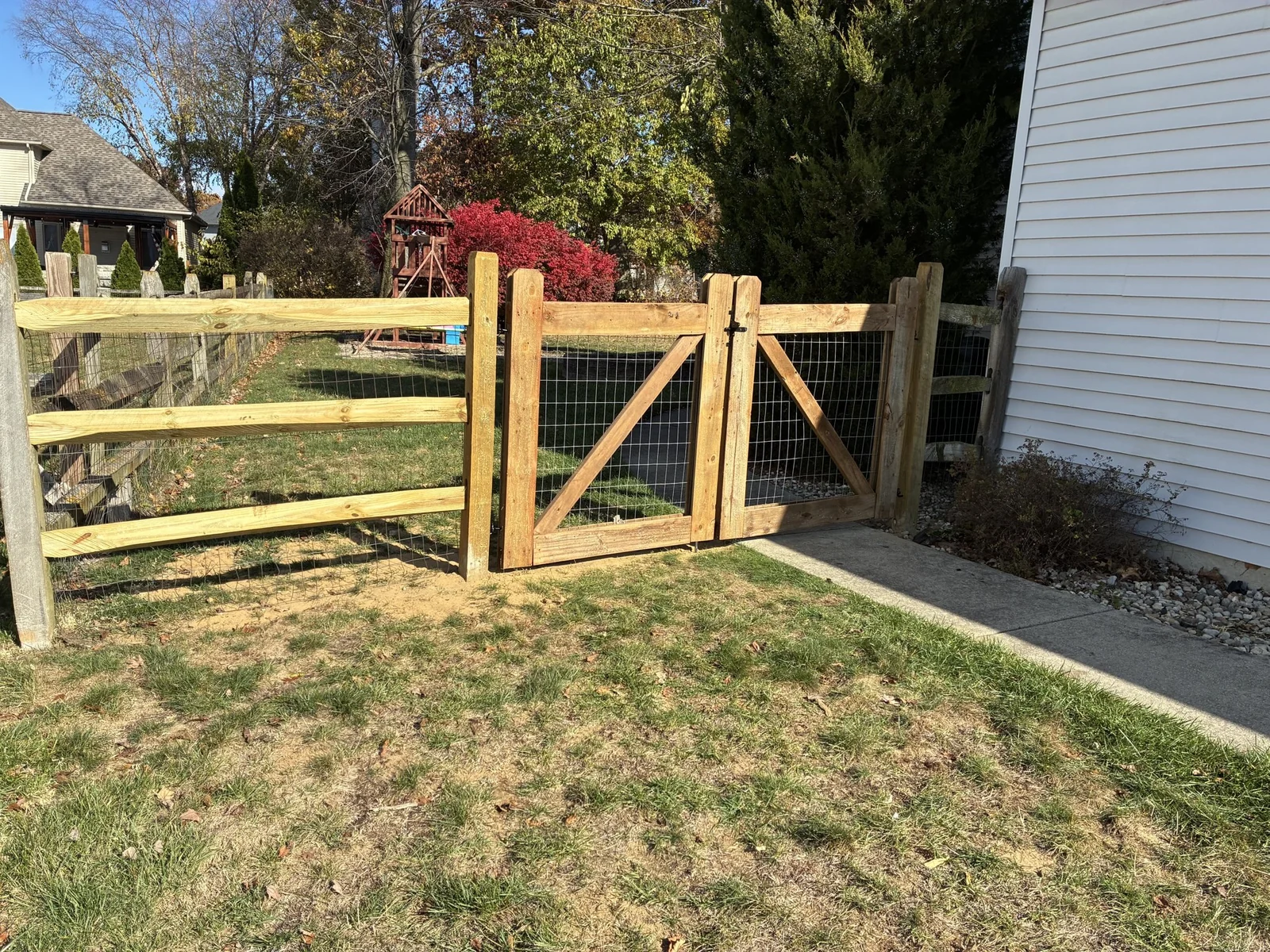
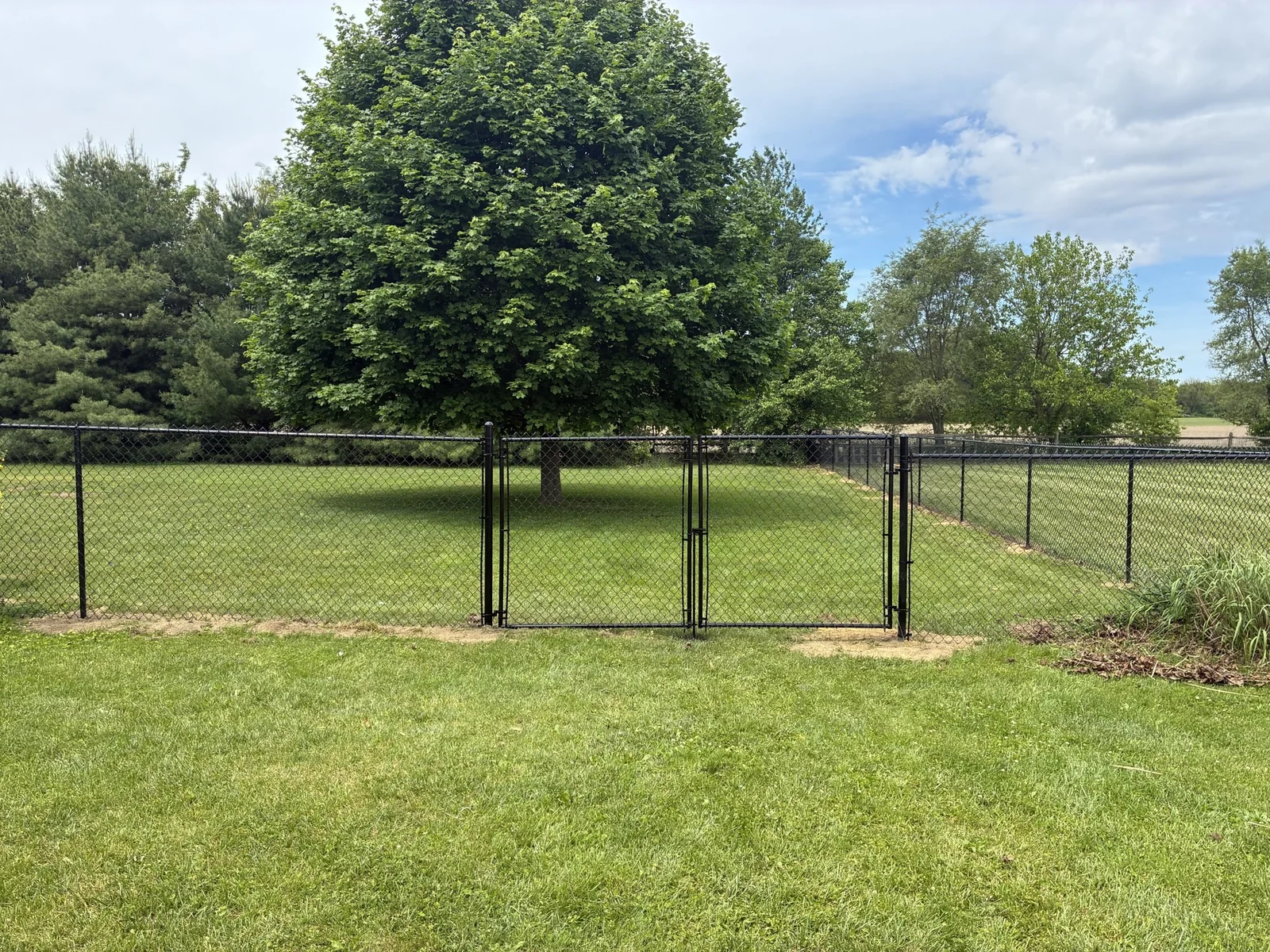
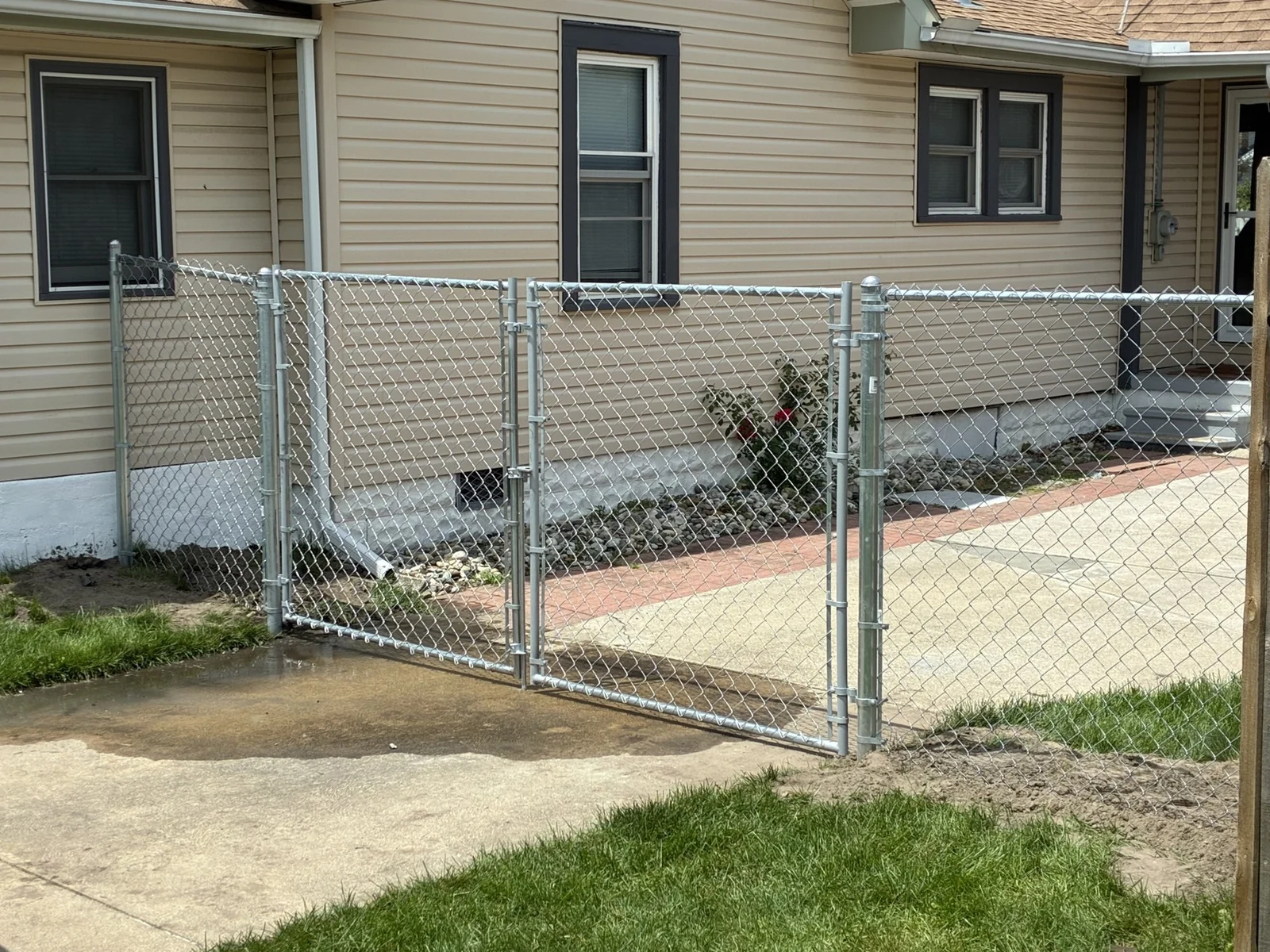
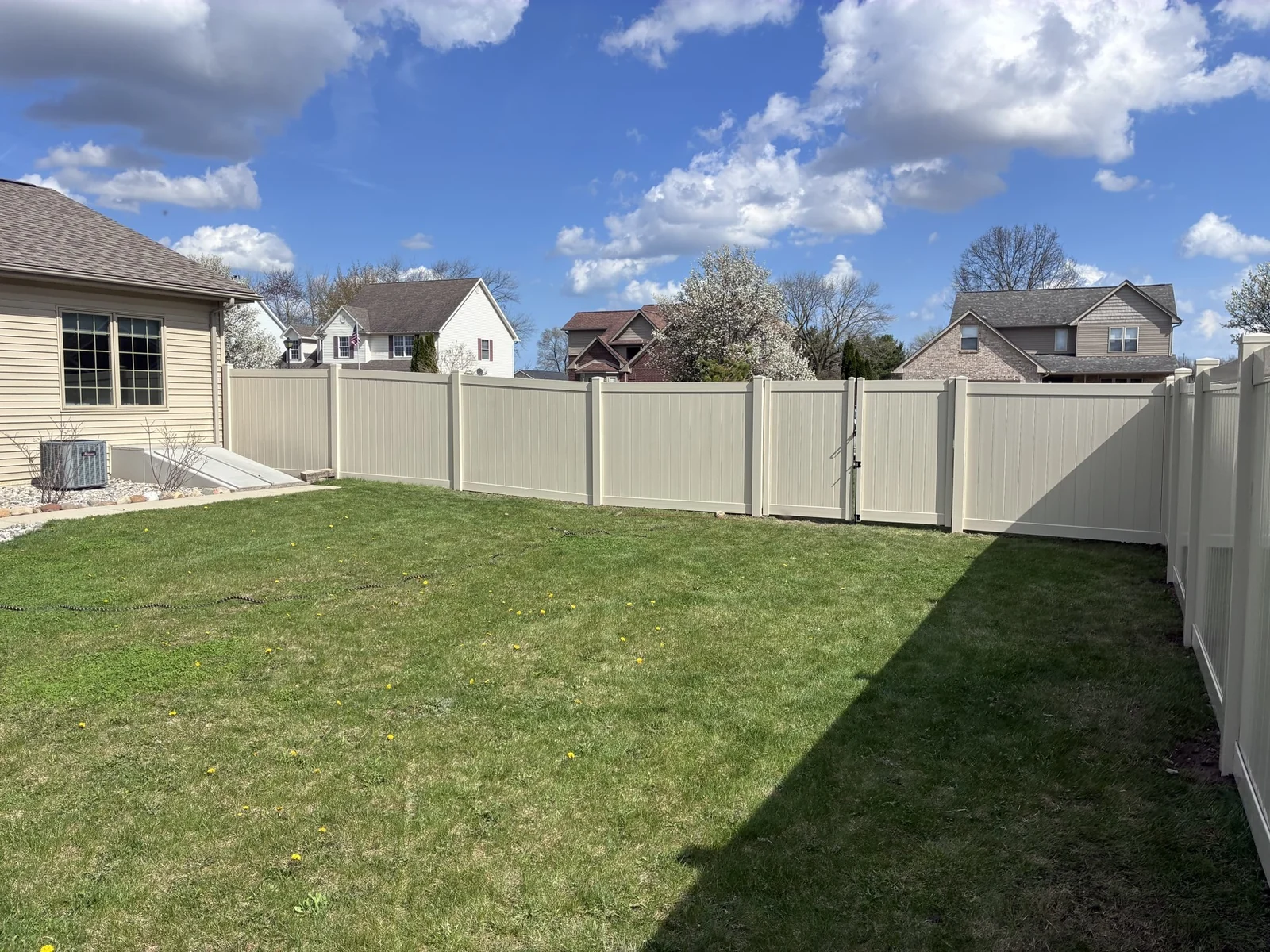
A flat top cap and horizontal trim frame the wood privacy boards.Wire mesh continues across the rail fence and both diagonally braced gate leaves.Two matching chain-link gate leaves create a wider opening.Tan privacy infill contrasts with white posts and rails.
Make a more informed choice
Fence replacement: the details that matter
Appearance and condition are separate questions
Weathered wood or a dull coating does not tell the whole structural story. Ask for an assessment of posts, rails, connections and gates, alongside the visible surface, before deciding that a full replacement is the only option.
Reusing posts requires a component check
Existing spacing, alignment and supports need to suit the proposed fence and gate. Put any assumed reuse in writing and ask how the scope changes if a component is unsuitable once work begins.
Removal can have its own local process
An old fence's location is not proof of a property boundary or permission to remove it. Local rules may address replacement and neighboring fences separately; Lincoln Park publishes one such example for existing chain link.
Write down what leaves the site
List panels, posts, concrete, gates and disposal separately. Also define what remains and what surface restoration is included, so removal does not become an unclear line between the old fence and the new work.
Plan the temporary opening
Discuss when the yard will be open and how pets, pool access or household needs will be handled during the work. Do not assume a full enclosure remains in place while its supporting parts are being replaced.
Bring these questions to your estimate
Which problem is cosmetic, which is isolated damage and which affects the supports?
What repair option can be compared with the replacement on a clear scope?
Which old components are proposed for reuse, and what happens if they fail assessment?
What removal, disposal and surface-restoration work is included?
A ballpark is a planning range. The final quote depends on measurements, gates, removal, site conditions and the written installation scope.
Good questions. Clearer answers.
What should a repair-versus-replacement comparison include?
Identify the failing components, the retained components and the layout you want afterward. Compare the actual repair work with a defined replacement scope; total footage alone cannot explain the difference.
Can I assume a new fence can use the old boundary line?
No. Verify the location and applicable local process for the new work. Existing placement is a starting observation, not a survey or current approval. Neighboring or shared fence questions should be resolved before removal.
Why should post and footing removal be separate estimate items?
They can involve different work from taking down the visible panels. Clear quantities and assumptions help you understand what is included, what stays below ground and how any unexpected condition will be discussed.
Material guidance & planning references
These references explain material behavior and planning considerations. Product examples do not identify the brand in our photos or promise a particular specification. Your proposal and applicable local requirements determine the project details.
Keep the fence, gates and next steps on the same page.
Review the proposed fence line and gates with our team, then use your project portal to keep the saved plan, project details and communication together. Site-plan property-line references help with planning; they do not replace a boundary survey.